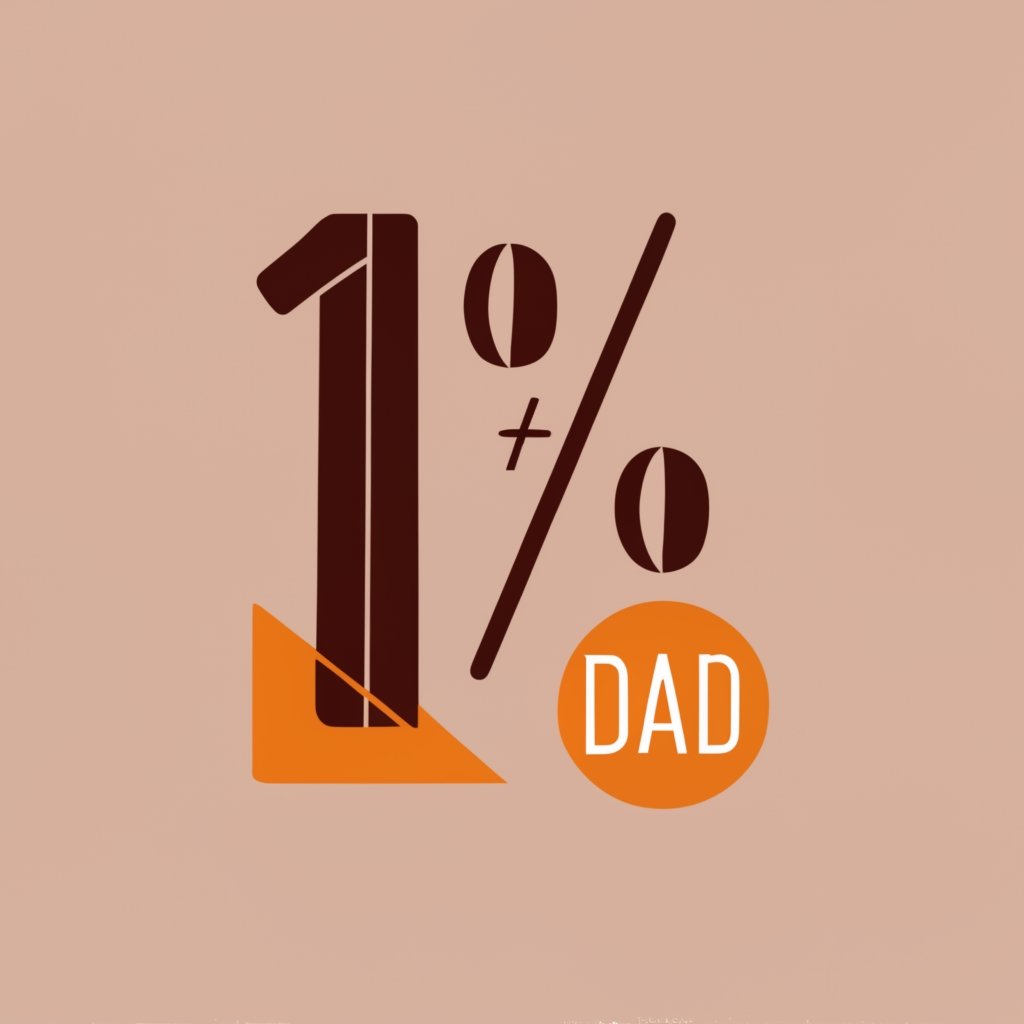
If you’re launching a podcast or a newsletter brand, the right logo can set the tone, create instant recognition, and help build a strong visual identity. Whether you’re going bold and edgy, elegant and sophisticated, or fun and quirky, your logo should speak to your audience before they ever hear your podcast intro or read your first issue.
TL;DR
Your podcast or newsletter logo is often your first impression—make it count. In this article, we explore 12 creative, practical logo ideas suited for a variety of brand styles. From microphone-themed designs to type-based emblems, there’s inspiration here for anyone looking to build a brand people won’t forget. Use these ideas as a springboard for designing something uniquely “you.”
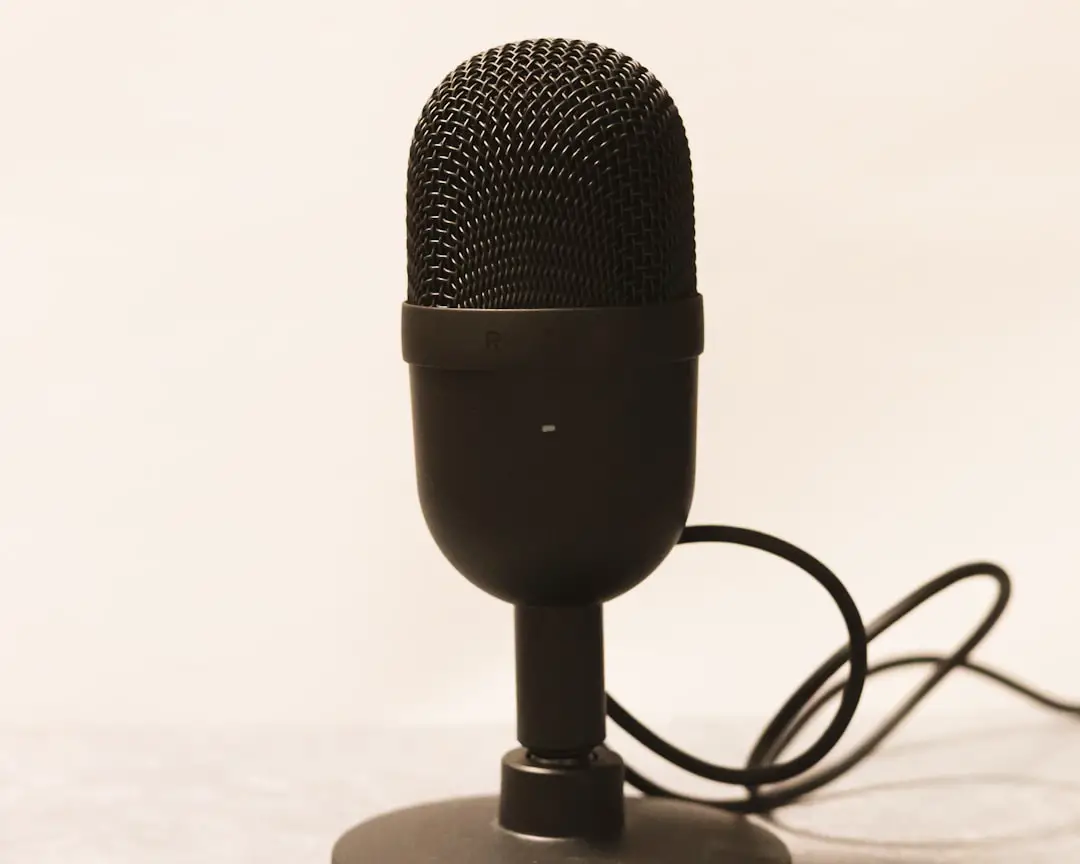
1. Microphone-Based Logos
This is a classic approach, especially for podcasts. The simplicity and universal recognition of a microphone make it a go-to symbol. But don’t just settle for a generic mic icon—mix it up:
- Use a vintage microphone to signal a retro vibe or nostalgia.
- Incorporate the mic with another shape, like a speech bubble or soundwave.
- Turn the mic into a character, like a talking face or stylized animal.
It’s a strong visual way to immediately tell people what your brand is about.
2. Newsletter Stamp Style
For newsletter brands, creating a logo that mimics a postage stamp, envelope, or ink stamp adds a tactile, real-world feel in a digital landscape. These logos often use:
- Monospaced or typewriter fonts for authenticity.
- Postmark-inspired circles or curves.
- Muted, aged colors to simulate print media.
This style is perfect for newsletters focused on journalism, essays, or curated content.
3. Typography-Only Logos
Sometimes, simplicity is the strongest statement. A text-based logo can be entirely made up of your brand name using distinctive, memorable typography. Keep in mind:
- Choose a font that reflects your brand voice—playful, serious, modern, classic.
- Use kerning adjustments or letter overlap for a unique design spin.
- Combine contrasting font weights or styles to add balance and emphasis.
This approach is versatile and often timeless, especially when the name itself is catchy.
4. Sound Wave Integration
Turn your brand into a visual rhythm. Sound waves and waveforms are direct representations of audio, making them perfect for audio-related branding. You can:
- Use part of a waveform to create letter shapes.
- Wrap a waveform around a circle or emblem.
- Customize the waveform using your actual podcast intro clip.
This gives an energetic and modern feel that connects directly to the medium of sound.
5. Face or Character Logos
Human faces—or even cartoon characters—make it easy for people to form emotional connections. If your podcast or newsletter is heavily personality-driven, this can be a perfect fit. Consider:
- Stylized portraits of the host(s) or a mascot.
- Minimalist line-drawing avatars or silhouettes.
- Facial expression or costume elements that define your tone and theme.
This kind of logo is highly brandable and makes for great merchandising or animated segments.
6. Headline Motif Logos
This works wonderfully for news-heavy or commentary podcasts and newsletters. Replicate the look of a front-page headline or news ticker using:
- Bold serif fonts, often in all-caps.
- Framing with lines, boxes, or banners.
- Red or black color schemes for authoritative impact.
It commands attention and subtly tells people that the content is important, timely, and possibly urgent.
7. Minimalist Icons
For an elegant and modern look, think minimalist. Shapes like circles, dots, and geometric figures can be surprisingly expressive when used right. You could:
- Create a stylized book, scroll, or recording light symbol.
- Rely on a sparse color palette like black, white, and one bright accent.
- Build a logo that works at tiny sizes—ideal for app icons and favicons.
This style is especially popular among tech, business, and productivity-themed brands.
8. Analog Object Logos
Tap into nostalgia or tactile familiarity by using real-world tools as logo inspiration. Try symbols like:
- Typewriters, pens, or journals for storytelling themes.
- Cassette tapes or radios for podcasting history fans.
- Coffee mugs or glasses for “conversation over coffee” vibes.
Analog elements give your brand warmth and character.
9. Abstract Shapes
If your brand is about thinking outside the box, your logo can be too. Abstract shapes can represent:
- Ideas (lightbulbs, constellations, or brain-inspired lines).
- Relationships (overlapping circles, linked rings).
- Motion or energy (zigzags, waves, spirals).
This gives you the freedom to be artistic and symbolic, which can be great for creative or philosophical content.
10. Monogram Logos
Simple initials can be turned into highly iconic marks. This works best when your brand name has a strong abbreviation. Think:
- Layered letters with contrasting colors.
- Interlocking characters designed into a unique shape.
- Block-letter stamps or badges for a rugged or authoritative style.
It’s a perfect option if your full name is long or difficult to remember.
11. Collage or Cutout Style
This is a great branding idea if your podcast or newsletter curates diverse content or includes multiple segments. Combine visual fragments like:
- Photos or textures spliced into letterforms.
- Mixed media elements like torn paper, paint strokes, or glitch effects.
- Diverse type combinations that hint at eclectic content.
These logos feel handmade and distinctive, which can set you apart in a crowded space.
12. Color-First Branding
Even the most minimalist logo can pop when it leads with a strong color. While not an idea on its own, bold, consistent use of color can become central to your brand’s visual identity. Here’s how:
- Choose a unique color palette that isn’t overused in your niche.
- Use gradients, duotones, or color blocking to add flair.
- Use color psychology—red for energy, blue for trust, yellow for optimism.
Think of Spotify’s green or Substack’s warm orange—color sticks in the mind just as clearly as a shape or word.
Wrap-Up
Your podcast or newsletter logo doesn’t have to follow any one rule—but it should communicate a clear story about who you are and what you offer. The best logos resonate not just for how they look, but for how they feel. Whether you go minimalist, nostalgic, quirky, or bold, use these 12 ideas to guide you toward something visually powerful and strategically smart.
Start with inspiration, iterate with intention, and don’t be afraid to break the mold. After all, your voice is original—your logo should be too.