Boutique and independent hotels operate in a highly competitive hospitality landscape where personalization, direct bookings, and brand identity matter more than ever. Unlike large chains with enterprise-level systems, smaller properties need flexible, intuitive, and cost-effective solutions that empower them to compete without overwhelming their teams. One of the most critical technology investments for these hotels is a reliable booking engine that drives direct reservations and reduces reliance on third-party channels.
TLDR: Boutique and independent hotels need booking engine software that is user-friendly, customizable, and optimized for direct conversions. The best solutions combine seamless website integration, strong mobile performance, secure payment processing, and channel management capabilities. This article reviews four leading booking engines—Cloudbeds, Little Hotelier, ResNexus, and ThinkReservations—and includes a comparison chart and FAQ section to help hoteliers choose the right fit.
A powerful hotel booking engine does far more than simply process reservations. It serves as a digital front desk, a sales platform, and often the core of a hotel’s tech ecosystem. For boutique and independent hotels, the right solution can increase direct bookings, reduce commission fees paid to Online Travel Agencies (OTAs), and deliver a branded guest experience from the very first click.
What Makes a Booking Engine Ideal for Boutique and Independent Hotels?
Before exploring specific platforms, it is important to understand what qualities make a booking engine especially valuable for smaller properties.
- Ease of Use: Staff often wear multiple hats, so intuitive dashboards are essential.
- Website Integration: Seamless embedding into existing hotel websites without complex coding.
- Mobile Optimization: Guests increasingly book from smartphones.
- Customization: Reflects the hotel’s brand, design, and unique offerings.
- Channel Management: Syncs rates and availability across OTAs.
- Secure Payments: PCI-compliant processing and fraud prevention.
- Reporting & Analytics: Insights into performance metrics and revenue trends.

With these features in mind, the following four booking engine platforms stand out for boutique and independent hotels.
1. Cloudbeds
Best for all-in-one property management and scalability
Cloudbeds offers a comprehensive hospitality management platform that includes a powerful booking engine seamlessly integrated with its Property Management System (PMS). For boutique hotels looking to centralize operations, this all-in-one approach can significantly reduce administrative complexity.
Key Features:
- Integrated PMS, channel manager, and booking engine
- Real-time rate and availability updates
- Mobile-optimized booking flow
- Customizable booking widgets
- Advanced reporting tools
Cloudbeds is especially beneficial for growing independent hotels that anticipate expansion. Its scalability allows properties to manage increased room inventory and multiple locations without switching systems.
Pros:
- Comprehensive ecosystem
- Strong automation features
- Widely trusted in global markets
Considerations:
- May offer more features than very small properties need
- Pricing can vary depending on modules selected
2. Little Hotelier
Best for small properties with limited staff
Little Hotelier is specifically designed for small hotels, bed and breakfasts, inns, and guesthouses. Its booking engine emphasizes simplicity while still delivering essential functionality.
Key Features:
- Commission-free direct booking engine
- Simple property management dashboard
- Automated guest communication tools
- Integration with major OTAs
The straightforward interface makes it ideal for boutique hotel managers who may not have dedicated IT teams. The system focuses on ease of implementation and user-friendly navigation.
Pros:
- Easy setup process
- Designed specifically for small properties
- Reduces OTA dependency
Considerations:
- Less advanced customization compared to enterprise tools
- May feel limited for rapidly scaling hotels
3. ResNexus
Best for boutique hotels focused on marketing and guest experience
ResNexus combines booking functionality with strong marketing tools. For boutique hotels that differentiate themselves through unique experiences and strong storytelling, ResNexus offers valuable promotional capabilities.
Key Features:
- Customizable booking engine with upsell opportunities
- Email marketing automation
- Gift card and package management
- Integrated payment processing
One of ResNexus’s standout features is its upselling capability during the booking process. Hotels can promote spa packages, dining add-ons, or special experiences directly within the reservation flow.
Pros:
- Strong marketing and upselling tools
- User-friendly interface
- Designed for independent properties
Considerations:
- Marketing features may require time to configure effectively
- Interface may appear dated to some users
4. ThinkReservations
Best for elegant booking design and direct conversions
ThinkReservations offers a visually appealing booking engine tailored for boutique inns and small hotels that prioritize design consistency. The platform focuses heavily on increasing direct bookings through seamless website integration.
Key Features:
- Responsive booking engine design
- Commission-free direct reservations
- Integrated PMS and channel manager
- Revenue management tools
ThinkReservations stands out for its visually polished booking flow. Boutique hotels that rely on aesthetic appeal appreciate the ability to maintain branding consistency throughout the reservation process.
Pros:
- Elegant customer-facing interface
- Strong support team
- Encourages conversion optimization
Considerations:
- May require onboarding time to maximize features
- Primarily targets North American market
Comparison Chart
| Feature | Cloudbeds | Little Hotelier | ResNexus | ThinkReservations |
|---|---|---|---|---|
| Best For | Growing boutique hotels | Small properties | Marketing-focused hotels | Design-focused boutique inns |
| Integrated PMS | Yes | Yes | Yes | Yes |
| Channel Manager | Yes | Yes | Yes | Yes |
| Marketing Tools | Moderate | Basic | Advanced | Moderate |
| Customization Level | High | Moderate | High | High |
| Ideal Property Size | 10+ rooms, scalable | Small hotels, B&Bs | Small to mid-size | Small to mid-size inns |
How to Choose the Right Booking Engine
Selecting the right booking engine goes beyond price comparison. Boutique and independent hotels should evaluate:
- Current Operational Complexity: Does the property need a simple tool or a full ecosystem?
- Brand Positioning: Is strong visual identity a priority?
- Growth Plans: Will the system scale with expansion?
- Marketing Strategy: Are upselling and automated emails important?
- Guest Demographics: Does the platform perform well on mobile devices?
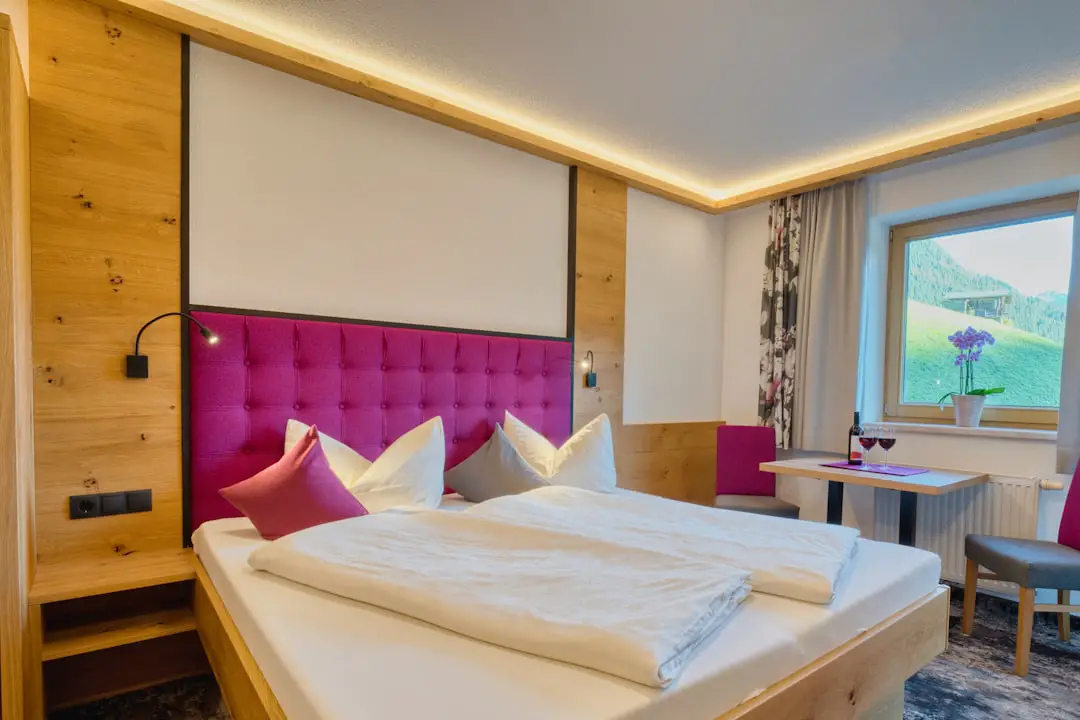
In many cases, the right solution balances simplicity with room for growth. While Cloudbeds may suit ambitious independents planning to scale, Little Hotelier shines for smaller operations wanting minimal setup. Meanwhile, ResNexus and ThinkReservations offer strong appeal for boutique brands focused on guest experience and direct conversion optimization.
Final Thoughts
For boutique and independent hotels, the booking engine represents more than a technical necessity—it is a revenue driver, branding tool, and operational backbone. With the rising cost of OTA commissions and growing guest expectations for seamless online experiences, direct booking platforms are no longer optional. They are strategic assets.
Each of the four booking engines reviewed here brings distinct strengths to the table. By aligning business goals, property size, and guest experience priorities, hoteliers can select a solution that enhances both operational efficiency and profitability.
Frequently Asked Questions (FAQ)
1. What is a hotel booking engine?
A hotel booking engine is software embedded into a hotel’s website that allows guests to check availability, view rates, and make direct reservations online.
2. Why are direct bookings important for boutique hotels?
Direct bookings reduce reliance on OTAs, lowering commission costs and allowing hotels to build direct relationships with guests.
3. Do booking engines integrate with OTAs?
Yes, most modern booking engines integrate with channel managers, which synchronize rates and availability across OTAs like Booking.com and Expedia.
4. How much does booking engine software typically cost?
Pricing varies depending on features and property size. Some providers charge monthly subscription fees, while others base costs on room count or revenue percentage.
5. Can boutique hotels customize their booking engines?
Most modern systems allow customization of colors, fonts, imagery, and messaging to maintain brand consistency.
6. Is mobile optimization necessary?
Yes. A significant portion of hotel reservations now occurs via mobile devices, making responsive design essential.
7. What security features should hotels look for?
Hotels should ensure the booking engine is PCI-compliant, supports secure payment gateways, and includes fraud prevention measures.
8. Can booking engines support upselling?
Yes. Many booking engines offer functionality to promote room upgrades, packages, and add-ons during the reservation process.