
Modern organizations generate and consume data at an unprecedented pace. From real-time fraud detection to personalized recommendations and IoT monitoring, the need for reliable, scalable, and low-latency data processing has transformed data pipeline orchestration into a mission-critical capability. Choosing the right orchestration tool determines not only operational efficiency but also governance, observability, and long-term scalability. In this article, we examine five of the best data pipeline orchestration software tools designed to support real-time processing workloads.
TLDR: Real-time data processing requires orchestration tools that can manage dependencies, scale dynamically, and ensure reliability across distributed systems. Apache Airflow, Apache NiFi, Prefect, Dagster, and AWS Step Functions stand out as leading solutions for orchestrating real-time pipelines. Each tool offers strengths in areas such as streaming support, observability, cloud integration, and developer experience. Selecting the right platform depends on your infrastructure, scalability requirements, and governance model.
Data pipeline orchestration involves coordinating tasks, managing dependencies, handling failures, and monitoring workflows across diverse systems. When real-time requirements are introduced, latency, fault tolerance, and scalability become even more critical. Below are five enterprise-grade tools that consistently rank among the best for orchestrating real-time data workflows.
1. Apache Airflow
Apache Airflow is one of the most widely adopted workflow orchestration platforms. Originally developed at Airbnb, it has matured into a robust solution supported by a large open-source community.
Why it stands out for real-time processing:
- Dynamic DAGs (Directed Acyclic Graphs) defined in Python
- Extensive integrations with streaming tools like Kafka and Spark
- Scalable executor options such as Celery and Kubernetes
- Strong monitoring and retry mechanisms
While Airflow was originally optimized for batch processing, it has evolved to support near-real-time use cases through event-driven triggers and external task sensors. Organizations often deploy Airflow alongside Kafka and Spark Streaming to orchestrate event-based workflows.
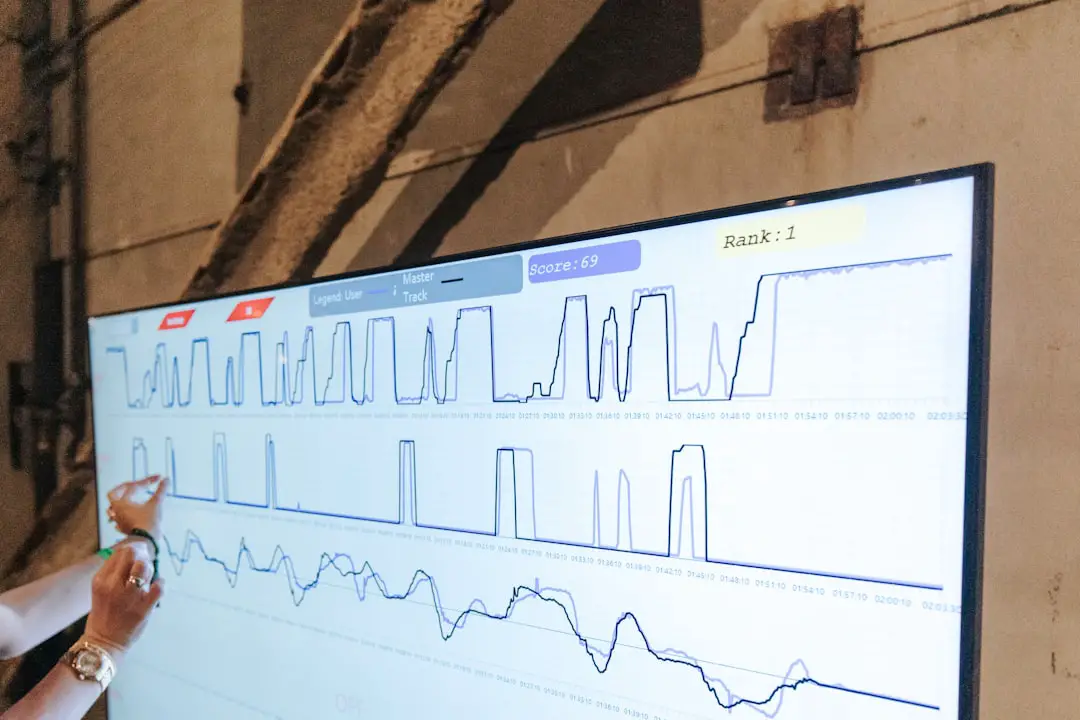
Best suited for: Enterprises requiring a proven, highly customizable orchestration engine with extensive community support.
Considerations: Airflow may require significant operational overhead when self-hosted, and true low-latency event streaming typically depends on external components.
2. Apache NiFi
Apache NiFi is designed specifically for automating and managing data flows between systems. Its visual flow-based programming model makes it particularly suitable for real-time ingestion and transformation scenarios.
Key strengths:
- Low-latency data movement
- Back-pressure and prioritization controls
- Fine-grained data provenance tracking
- Visual interface for designing data flows
NiFi excels in environments where real-time data ingestion from multiple sources is required. Its architecture allows for guaranteed data delivery, buffering, and dynamic prioritization. This makes it especially popular in regulated industries where auditability and traceability are critical.
Best suited for: Organizations managing complex, real-time data ingestion with strong governance needs.
Considerations: While powerful for streaming and ingestion, NiFi may not replace full workflow orchestration engines in complex ML or analytics pipelines.
3. Prefect
Prefect is a modern orchestration framework that addresses many of the operational challenges associated with earlier platforms. It provides a clean Python API and strong observability features.
Advantages for real-time workflows:
- Event-driven flow triggering
- Hybrid execution across local and cloud environments
- Built-in state handling and retries
- Cloud-native orchestration model
Prefect’s architecture separates orchestration logic from execution infrastructure, enabling dynamic scaling and flexible deployment. For real-time use cases, Prefect integrates seamlessly with streaming frameworks and cloud services.
Image not found in postmeta
Its observability tools are particularly strong, enabling detailed insights into flow states, logs, and error handling. This reduces operational risk in fast-moving production environments.
Best suited for: Teams seeking a modern alternative to Airflow with strong cloud-native capabilities.
Considerations: Some advanced features may require Prefect Cloud, which introduces licensing costs.
4. Dagster
Dagster takes a software engineering-centric approach to data orchestration. Rather than focusing solely on task scheduling, it emphasizes data assets, type checking, and modular pipeline construction.
Notable features:
- Asset-based orchestration model
- Strong type validation and testing capabilities
- Integrated observability
- Support for streaming integrations
Dagster enables teams to treat data workflows as software projects, with improved debugging, unit testing, and data lineage tracking. For real-time processing scenarios, this results in greater reliability and easier maintenance.
Its asset-focused paradigm is especially beneficial for organizations building complex analytics or machine learning pipelines that depend on continuous updates.
Best suited for: Engineering-driven data teams prioritizing maintainability and data asset governance.
Considerations: The learning curve may be steeper for teams accustomed to traditional task-based orchestration systems.
5. AWS Step Functions
AWS Step Functions is a fully managed orchestration service that integrates deeply with the AWS ecosystem. It enables developers to coordinate distributed services using state machines.
Key benefits:
- Serverless orchestration
- Tight integration with AWS Lambda, Kinesis, Glue, and ECS
- High scalability and fault tolerance
- Built-in error handling and retries

For real-time processing within AWS environments, Step Functions provides seamless integration with streaming services like Amazon Kinesis and managed compute resources. Its serverless model reduces operational burden while ensuring automatic scaling.
Best suited for: Organizations heavily invested in AWS infrastructure.
Considerations: Less portable than open-source alternatives and closely tied to AWS services.
Comparison Chart
| Tool | Primary Strength | Real-Time Capability | Deployment Model | Best For |
|---|---|---|---|---|
| Apache Airflow | Flexible DAG orchestration | Event-triggered workflows | Self-hosted or managed | Large-scale enterprise workflows |
| Apache NiFi | Data flow management | Low-latency ingestion | Self-hosted | Real-time data ingestion |
| Prefect | Modern orchestration API | Event-driven scheduling | Hybrid cloud | Cloud-native teams |
| Dagster | Asset-based pipelines | Streaming integrations | Hybrid or self-hosted | Engineering-focused data teams |
| AWS Step Functions | Serverless state machines | Native AWS streaming | Fully managed cloud | AWS-centric organizations |
Key Factors to Consider When Choosing a Tool
Selecting the right orchestration platform depends on several strategic considerations:
- Latency Requirements: True real-time processing demands minimal orchestration overhead.
- Infrastructure Alignment: Cloud-native tools perform best within their native ecosystems.
- Operational Complexity: Self-managed tools require skilled DevOps support.
- Observability and Governance: Data lineage and compliance tracking may be critical.
- Scalability: Ensure the platform can scale both horizontally and vertically.
No single tool is universally superior. For example, a financial institution prioritizing audit trails may lean toward Apache NiFi, while a cloud-first startup may prefer Prefect or AWS Step Functions.
Final Thoughts
Real-time processing is no longer optional in many industries. As data volumes expand and business decisions become increasingly time-sensitive, orchestration platforms serve as the control layer that ensures reliability, transparency, and scalability.
Apache Airflow, Apache NiFi, Prefect, Dagster, and AWS Step Functions each bring unique strengths to real-time data pipeline orchestration. Organizations should evaluate not only feature sets but also ecosystem compatibility, long-term maintainability, and team expertise.
By making a deliberate and informed choice, enterprises can build resilient, high-performance data architectures capable of meeting today’s real-time demands and adapting to tomorrow’s innovations.