Debugging microservices can feel like chasing ghosts. One request enters your system. Then it jumps across services, databases, message queues, and APIs. Suddenly, something breaks. But where? That is where distributed tracing tools come to the rescue.
TLDR: Distributed tracing tools help you follow a request as it moves across multiple microservices. They show you where delays happen and where errors occur. Jaeger is popular, but it is not your only option. This guide covers five powerful alternatives that make debugging faster and less painful.
Let’s make this simple. Imagine your app is like a food delivery company. One order travels through different teams: ordering, payment, kitchen, packing, and delivery. If the food arrives cold, you need to know where the delay happened. Distributed tracing gives you that visibility.
Here are five distributed tracing tools like Jaeger that help you debug microservices efficiently.
1. Zipkin
Zipkin is one of the oldest and most trusted tracing tools. It started at Twitter. It is lightweight, fast, and easy to use.
Zipkin collects timing data for requests. It shows how long each service takes to respond. You can quickly spot bottlenecks.
Why developers like Zipkin:
- Simple setup
- Clean interface
- Works well with Spring Boot
- Strong community support
Zipkin supports OpenTelemetry, which means you can instrument your applications easily. Once configured, it visualizes request traces in a timeline view.
Best for: Teams that want something simple and reliable.

If you are migrating from Jaeger, you will find Zipkin feel familiar. The concepts are almost the same: spans, traces, and services. Think of it as a close cousin.
2. OpenTelemetry + Tempo
Here’s a powerful combo. OpenTelemetry for collecting telemetry data. Grafana Tempo for storing and visualizing traces.
OpenTelemetry is not just a tracing tool. It is a full observability framework. It handles traces, metrics, and logs. It is becoming the industry standard.
Tempo, built by Grafana Labs, is designed to be cost-efficient. It stores traces in object storage systems like S3. That keeps infrastructure costs down.
Why this combo stands out:
- Vendor-neutral and open source
- Scalable for large systems
- Integrates smoothly with Grafana dashboards
- Cost-effective storage model
The real magic happens when you connect traces with metrics and logs. You can jump from a spike in CPU usage directly to the trace that caused it. That saves hours of guessing.
Best for: Teams building cloud-native, Kubernetes-based systems.
3. Datadog APM
If you prefer an all-in-one commercial solution, Datadog APM is a strong contender.
It offers end-to-end distributed tracing with a polished interface. Setup is easier compared to many open-source tools. You install an agent, configure integrations, and you are ready.
What makes it special:
- Beautiful, user-friendly dashboards
- Automatic service discovery
- AI-powered anomaly detection
- Built-in alerting features
Datadog shines in production environments. It provides deep insights into service dependencies and error rates.
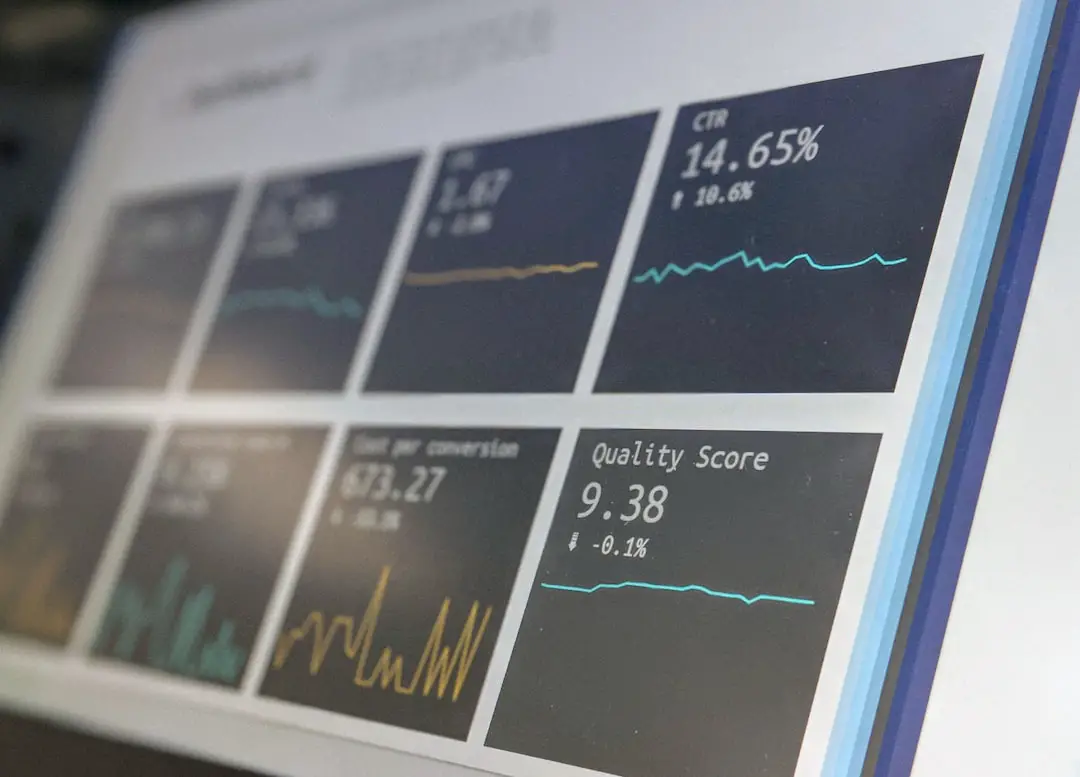
You can also view service maps. These maps show how services connect in real time. If one service fails, you instantly see the downstream impact.
Best for: Enterprises that need powerful monitoring with minimal setup headaches.
4. New Relic Distributed Tracing
New Relic has been in the monitoring game for years. Its distributed tracing solution is mature and feature-rich.
It focuses on giving you full-stack observability. That means frontend, backend, infrastructure, and everything in between.
Why teams choose New Relic:
- Deep transaction visibility
- Strong cloud integrations
- Real-time analytics
- Custom dashboards
New Relic makes filtering traces easy. Want to find all slow database calls? Done. Want to see only failed transactions? Easy.
One cool feature is trace detail drilling. You can click into a trace and expand each span to see metadata. That includes SQL queries, external API calls, and more.
Best for: DevOps teams that want detailed breakdowns of complex transactions.
5. Lightstep
Lightstep was built by engineers from Google who worked on Dapper, the tracing system that inspired many modern tools.
It focuses heavily on performance and scale. That makes it ideal for large microservice ecosystems.
What makes Lightstep powerful:
- Real-time monitoring
- Change intelligence insights
- Root cause analysis tools
- Kubernetes-native features
Lightstep tries to answer a hard question fast: What changed? If latency rises after a deployment, it helps you connect the dots quickly.
Best for: Large-scale systems with frequent deployments.
Comparison Chart
| Tool | Open Source | Best For | Ease of Setup | Scalability |
|---|---|---|---|---|
| Zipkin | Yes | Simple deployments | Easy | Medium |
| OpenTelemetry + Tempo | Yes | Cloud-native systems | Moderate | High |
| Datadog APM | No | Enterprises | Very Easy | High |
| New Relic | No | Full-stack visibility | Easy | High |
| Lightstep | No (core parts open) | Large microservices environments | Moderate | Very High |
How to Choose the Right One
Not sure which tool fits your team? Ask yourself a few simple questions:
- Are we fully cloud-native?
- Do we prefer open-source or managed services?
- How large is our system?
- Do we need metrics and logs in the same place?
If you are a startup, Zipkin or OpenTelemetry might be enough. If you handle millions of requests per minute, scalability becomes critical. Tools like Lightstep or Datadog may fit better.
Also, think about your team’s skills. A powerful tool is useless if no one understands it.
Why Distributed Tracing Matters More Than Ever
Modern apps are not simple anymore. They rely on APIs, third-party services, containers, and serverless functions. A single user click can trigger dozens of internal calls.
Without tracing, debugging becomes guesswork.
With tracing, you get:
- Faster root cause analysis
- Better performance optimization
- Improved customer experience
- Reduced downtime
It transforms troubleshooting from “Where do we even start?” to “There it is.”
Final Thoughts
Jaeger is excellent. But it is not your only choice.
Tools like Zipkin, OpenTelemetry with Tempo, Datadog, New Relic, and Lightstep offer different strengths. Some focus on simplicity. Others focus on scale. Some are budget-friendly. Others offer premium features.
The good news? You cannot really go wrong. All these tools help you see inside your microservices. They make debugging faster. They reduce stress.
And they turn your invisible system into something you can actually understand.
Because in the world of microservices, visibility is everything.