Maintaining a consistent online presence is one of the most challenging aspects of modern digital marketing. Audiences expect brands, creators, and businesses to post regularly, engage thoughtfully, and remain active across multiple platforms. Without the right systems in place, staying visible can quickly turn into a full-time job. Fortunately, a range of powerful social media tools helps streamline scheduling, content planning, engagement tracking, and performance analysis.
TLDR: Maintaining a consistent online presence requires strategy, planning, and the right tools. Social media management platforms help automate scheduling, organize content calendars, track analytics, and streamline engagement. Tools like Hootsuite, Buffer, Sprout Social, Later, and Canva make it easier to plan ahead and stay visible. Choosing the right combination depends on business size, goals, and budget.
Below are five essential social media tools that help individuals and businesses maintain a strong and consistent digital footprint.
1. Hootsuite
Best for: Comprehensive multi-platform scheduling and monitoring
Hootsuite has long been recognized as one of the most robust social media management platforms available. It allows users to schedule posts across multiple networks, monitor conversations, and measure campaign performance from a single dashboard.
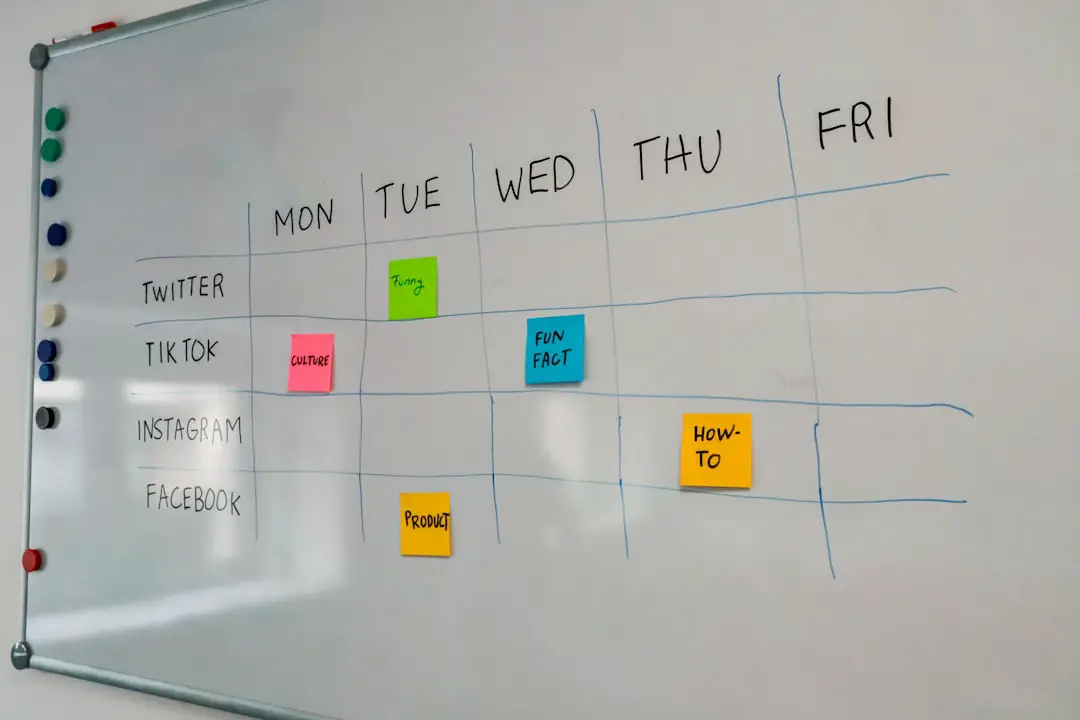
Key Features:
- Post scheduling across major platforms
- Stream monitoring for brand mentions and keywords
- Team collaboration tools
- Advanced analytics and reporting
Why it helps with consistency: Hootsuite enables users to schedule weeks—or even months—of content in advance. This ensures posts go live at optimal times without needing daily manual posting. Its monitoring tools also make it easier to maintain consistent engagement.
For businesses managing multiple social profiles or departments, Hootsuite provides centralized control while allowing teams to collaborate efficiently.
2. Buffer
Best for: Simplicity and streamlined scheduling
Buffer is known for its clean interface and ease of use. It is especially popular among small businesses, freelancers, and creators who want an intuitive scheduling tool without a steep learning curve.
Key Features:
- Easy-to-use content queue system
- Optimal timing recommendations
- Basic analytics reporting
- Browser extensions for quick sharing
Why it helps with consistency: Buffer allows users to create a posting schedule and automatically fill time slots with queued content. This structured approach ensures social media feeds remain active and evenly spaced.
Because the interface is simple, teams can spend more time crafting quality content and less time navigating complex dashboards.
3. Sprout Social
Best for: Advanced analytics and enterprise-level management
Sprout Social goes beyond basic scheduling. It provides deeper audience insights, competitive analysis, and CRM-style engagement tools that help brands maintain not just presence, but meaningful connection.

Key Features:
- Smart inbox for unified message management
- In-depth performance and audience analytics
- Social listening capabilities
- Workflow approvals for teams
Why it helps with consistency: Sprout Social centralizes communication, ensuring no comment or message is missed. Consistent engagement builds trust and brand authority, making it just as important as consistent posting.
For medium to large organizations, Sprout Social provides structured workflows that keep content publishing and customer interactions aligned across departments.
4. Later
Best for: Visual content planning and Instagram scheduling
Later began as an Instagram-focused scheduler but has expanded to support multiple platforms. Its visual content calendar makes it particularly valuable for brands that rely heavily on visual storytelling.
Key Features:
- Drag-and-drop visual planner
- Media library for asset storage
- Link-in-bio customization
- Hashtag suggestions
Why it helps with consistency: The visual planner allows users to preview their feed before posting, ensuring aesthetic consistency. Brands can maintain cohesive color schemes, themes, and messaging styles across posts.
This tool is especially effective for e-commerce brands, influencers, and lifestyle companies where visuals drive engagement.
5. Canva
Best for: Quick and consistent content design
While Canva is not a scheduling tool in the traditional sense, it plays a vital role in maintaining a consistent presence by simplifying content creation. Regular posting requires efficient graphic design workflows, and Canva delivers exactly that.

Key Features:
- Thousands of customizable templates
- Brand kit for logos, colors, and fonts
- Quick resizing for multiple platforms
- Team collaboration features
Why it helps with consistency: Canva’s brand kit ensures that every post aligns with established brand guidelines. Users can create visual templates that make designing future posts faster and uniform.
Consistent visuals strengthen brand recognition and help audiences instantly identify content in crowded social feeds.
Comparison Chart
| Tool | Best For | Scheduling | Analytics | Team Collaboration | Visual Planning |
|---|---|---|---|---|---|
| Hootsuite | Multi-platform management | Advanced | Detailed | Yes | Limited |
| Buffer | Simple scheduling | Moderate | Basic | Limited | No |
| Sprout Social | Enterprise analytics | Advanced | Comprehensive | Strong | No |
| Later | Visual brands | Moderate | Moderate | Limited | Strong |
| Canva | Content design | Limited | Basic | Yes | Strong |
How to Choose the Right Tool
Selecting the right tool depends on several factors:
- Business Size: Larger teams benefit from advanced collaboration and reporting features.
- Content Volume: High posting frequency requires reliable scheduling automation.
- Platform Focus: Visual brands may prioritize tools like Later, while enterprise brands may prefer Sprout Social.
- Budget: Some tools offer scalable pricing, which is crucial for growing companies.
Many businesses find that a combination of tools works best. For example, using Canva for content creation alongside Buffer or Hootsuite for scheduling creates an efficient workflow.
Best Practices for Maintaining Consistency
Even the most powerful tools require proper strategy. To maximize effectiveness:
- Create a monthly content calendar.
- Batch content creation to save time.
- Analyze performance data regularly.
- Repurpose high-performing posts.
- Maintain consistent branding elements.
Consistency does not necessarily mean posting every hour. Instead, it means maintaining a reliable cadence and voice that audiences can depend on.
FAQ
1. Why is maintaining a consistent online presence important?
Consistency builds brand recognition, trust, and audience engagement. Regular posting keeps a brand visible in algorithms and maintains ongoing communication with followers.
2. How often should businesses post on social media?
The optimal frequency depends on the platform and audience. However, maintaining a predictable schedule—whether it is three times a week or daily—is more important than posting excessively.
3. Can one tool handle all social media needs?
Some tools offer all-in-one solutions, but many businesses prefer using multiple tools to combine strengths such as scheduling, analytics, and design.
4. Are free plans sufficient for small businesses?
Free plans can be effective for startups and solo creators. However, as content volume and team size grow, upgrading to paid versions often becomes necessary.
5. How far in advance should content be scheduled?
Many professionals recommend scheduling at least two to four weeks in advance. This creates flexibility while ensuring consistent output.
6. Do social media management tools improve engagement automatically?
These tools streamline posting and tracking, but authentic engagement still requires strategic content, responsive communication, and audience understanding.
Maintaining a consistent online presence is no longer optional in today’s digital landscape. With the right mix of scheduling, analytics, and design tools, businesses and creators can stay organized, save time, and build stronger connections with their audiences. By implementing structured workflows and leveraging technology effectively, consistency becomes less of a challenge and more of a strategic advantage.