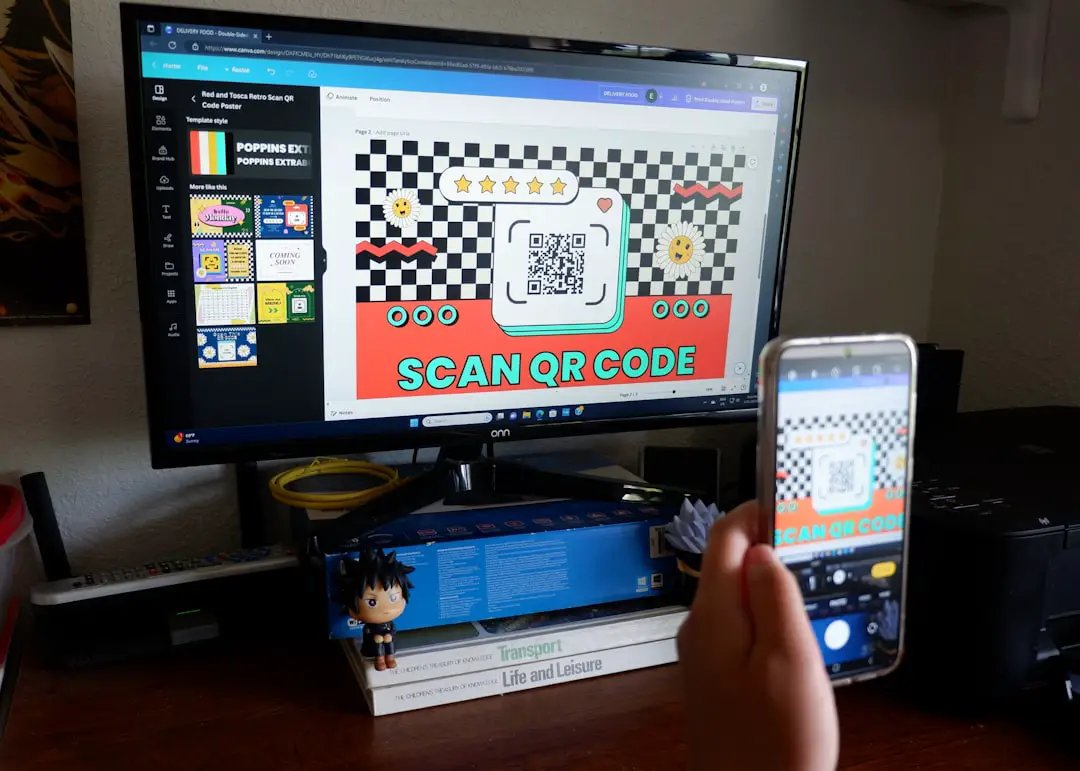
QR codes have evolved from simple black-and-white squares into powerful marketing and operational tools that bridge offline and digital experiences. What used to be static codes pointing to a single fixed URL is now a dynamic ecosystem of editable links, scan analytics, branded designs, and real-time content updates. As businesses embrace contactless interactions, data-driven marketing, and personalized user journeys, dynamic QR code generators have become essential tools rather than optional extras.
TLDR: Dynamic QR code generators allow you to edit the destination URL and content even after printing, making them far more flexible than traditional static codes. Today’s trending platforms offer analytics, branding customization, bulk creation, and integrations with marketing tools. The best generators combine ease of use with advanced tracking and scalability. Choosing the right one depends on your goals, budget, and campaign complexity.
Why Dynamic and Editable QR Codes Are Trending
Dynamic QR codes are transforming how organizations manage campaigns, product packaging, restaurant menus, event registrations, and customer engagement strategies. Unlike static QR codes, which permanently encode data, dynamic codes store a short redirect URL on the code itself. This allows you to modify the final destination anytime.
Key reasons behind the surge in popularity include:
- Editable destinations: Change URLs without reprinting materials.
- Real-time analytics: Track scan location, device type, and time.
- Campaign flexibility: Run A/B tests and seasonal promotions.
- Cost savings: Avoid reprinting brochures, packaging, or signage.
- Brand customization: Add logos, colors, and frames.
Industries such as retail, hospitality, logistics, education, and healthcare are increasingly integrating these tools into daily operations.
Features That Define a Modern QR Code Generator
Not all QR code platforms are created equal. The best trending solutions stand out because they go beyond code creation and provide a full content management ecosystem.
1. Real-Time Editing
The hallmark of dynamic QR codes is the ability to update links instantly. Whether you need to change a landing page, correct a typo, or switch to a new campaign, edits should take effect immediately.
2. Advanced Scan Analytics
Modern generators offer dashboards that display:
- Number of scans
- Geographic location
- Device type and operating system
- Peak scan times
These insights empower marketers to refine targeting and optimize messaging.
3. Design Customization
Brand identity matters. Trending tools allow users to:
- Embed logos inside the QR code
- Adjust color schemes
- Modify corner shapes and patterns
- Add call-to-action frames like “Scan Me”
4. Bulk Generation and API Access
E-commerce brands and large enterprises often need thousands of codes. Bulk tools and API integrations streamline high-volume deployment across inventory systems and CRM platforms.
5. Security and Access Controls
Password protection, expiration dates, encrypted redirects, and user-level permissions are increasingly standard features.
Top Trending QR Code Generators in 2026
Here are some of the most talked-about dynamic QR code platforms currently shaping the market.
1. QR Code Generator Pro
Known for its versatility and enterprise-grade functionality, this platform offers comprehensive analytics and strong design customization tools. It supports dynamic codes, PDF QR codes, vCards, app store links, and landing page builders.
Best for: Businesses running recurring marketing campaigns.
2. Beaconstac
Beaconstac emphasizes security, customization, and integration capabilities. It offers SOC 2 compliance, GPS tracking for scans, and Zapier integration for automated workflows.
Best for: Enterprises with strict compliance requirements.
3. The QR Code Generator
A popular choice for small to mid-size businesses, it combines ease of use with professional branding features and editable links. The dashboard is intuitive, making it a great entry point for non-technical teams.
Best for: Small businesses and marketing teams.
4. Flowcode
Flowcode focuses heavily on design and brand aesthetics. Its codes are clean, stylish, and optimized for scanning reliability. It also offers strong analytics and campaign management tools.
Best for: Creatives, influencers, and event marketers.
5. QR TIGER
This platform provides multi-URL QR codes, file storage, and retargeting capabilities. It’s especially useful for performance marketers looking to track ROI and run paid campaigns.
Best for: Data-focused marketing professionals.
Comparison Chart of Trending QR Code Generators
| Platform | Dynamic Codes | Analytics | Brand Customization | Bulk/API | Best For |
|---|---|---|---|---|---|
| QR Code Generator Pro | Yes | Advanced | Extensive | Yes | Marketing campaigns |
| Beaconstac | Yes | Enterprise-grade | High | Yes | Large organizations |
| The QR Code Generator | Yes | Standard | Moderate | Limited | SMBs |
| Flowcode | Yes | Strong | High | Limited | Design-focused users |
| QR TIGER | Yes | Advanced | High | Yes | Performance marketing |
Use Cases Driving Adoption
Dynamic QR codes are expanding beyond restaurants and event tickets. Here’s how organizations are using them innovatively:
Retail and Product Packaging
Brands place dynamic QR codes on packaging to update product details, offer promotions, or provide how-to videos. If a campaign ends, they simply update the link.
Events and Conferences
Organizers use editable codes for ticket verification, virtual schedules, speaker bios, and networking forms. Post-event, the same code can redirect to feedback surveys.
Real Estate
Agents use yard sign QR codes that link to listing pages. When a property is sold, the link can redirect to another active property.
Restaurants and Hospitality
Digital menus became widespread during health crises, but dynamic QR menus remain popular because restaurants can update pricing and availability instantly.
Education and Training
Schools and universities embed QR codes in printed materials that link to updated course portals and resources.

How to Choose the Right Generator
Selecting the right platform depends on your goals, technical needs, and budget. Consider the following criteria:
- Scalability: Will you need a handful of codes or thousands?
- Integrations: Does it connect with your CRM, analytics, or marketing tools?
- Data needs: How detailed should the reporting be?
- Customization: Is brand consistency important?
- Security: Do you require enterprise compliance?
- Pricing model: Subscription vs pay-per-code.
Start small if you’re experimenting, but choose a scalable solution if you anticipate widespread deployment.
The Future of Editable QR Codes
The future of QR technology is deeply connected to personalization and interactivity. Emerging trends include:
- AI-driven content redirection based on user behavior.
- Geolocation-based landing pages that change destination automatically.
- Augmented reality integrations triggered through QR scans.
- Smart packaging with real-time supply chain tracking.
As 5G networks expand and smartphones become even more powerful, QR codes will likely serve as central access points into immersive digital experiences.
Final Thoughts
Dynamic and editable QR code generators are no longer niche tools — they’re strategic assets. The ability to adjust campaigns in real time, gather meaningful analytics, and maintain brand consistency makes them indispensable in today’s fast-moving digital landscape.
Whether you’re a small business launching your first interactive flyer or a global enterprise managing thousands of product-level codes, there’s a trending platform suited to your needs. The key is understanding your objectives and choosing a generator that balances flexibility, insights, and ease of use. Using an AI flyer generator can further streamline the process by helping you design visually appealing, customized flyers in minutes without requiring advanced design skills.
In a world where physical and digital experiences increasingly overlap, dynamic QR codes are the connective tissue that keeps engagement measurable, adaptable, and future-ready.