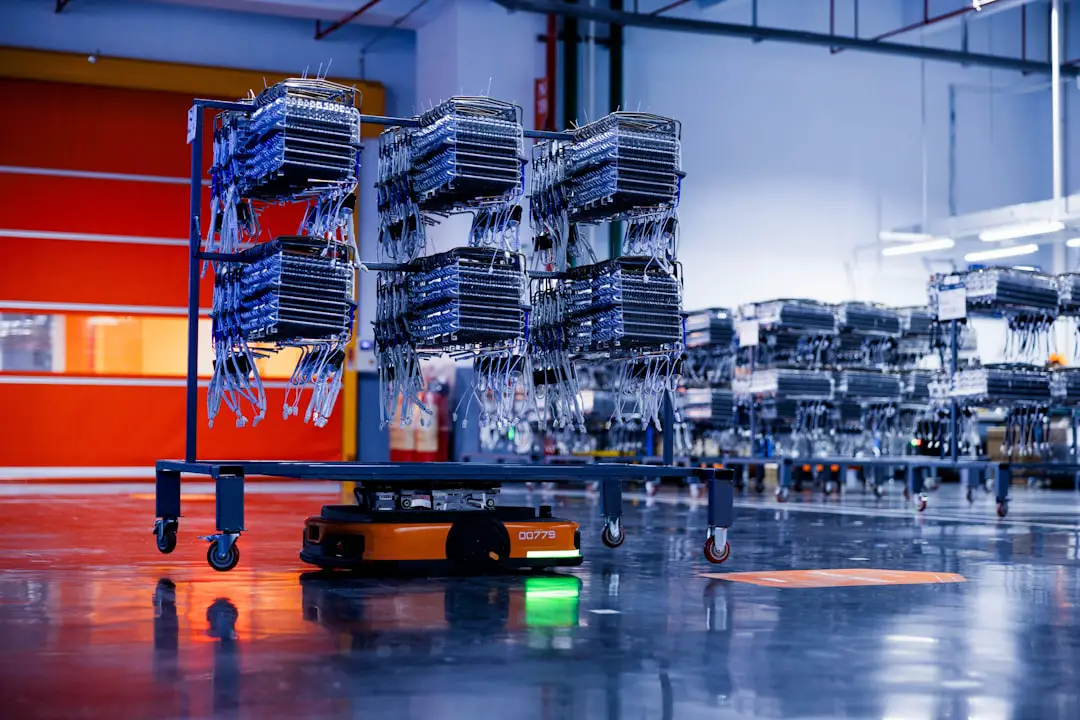
Warehouse operations have entered a new era driven by automation, artificial intelligence, and mobile robotics. Among the most transformative innovations are warehouse robotics tools like Fetch Robotics that automate repetitive tasks such as picking, transporting, sorting, and inventory monitoring. These systems are designed to work collaboratively with humans, improving productivity while reducing physical strain and operational errors. As e-commerce growth and supply chain demands continue to intensify, companies are increasingly relying on robotic solutions to stay competitive.
TLDR: Warehouse robotics tools like Fetch Robotics automate repetitive tasks such as material transport, picking, and inventory management. These autonomous mobile robots improve efficiency, reduce labor strain, and minimize errors in fast-paced warehouse environments. Businesses benefit from faster fulfillment times, scalable operations, and better safety outcomes. As technology advances, robotic automation is becoming a core component of modern supply chains.
The Rise of Warehouse Robotics
Warehouse automation is not a new concept, but the sophistication of today’s robotic tools marks a dramatic improvement over traditional conveyor systems and static machinery. Modern robots are equipped with advanced sensors, cameras, lidar technology, and artificial intelligence software that allow them to navigate dynamic environments safely and efficiently.
Unlike older automation systems that required expensive infrastructure changes, mobile robotics platforms such as those developed by Fetch Robotics are flexible and scalable. They operate autonomously, mapping warehouse floors and dynamically adjusting their routes to avoid obstacles and human workers.
Image not found in postmetaThese robots are often categorized as Autonomous Mobile Robots (AMRs). AMRs differ from Automated Guided Vehicles (AGVs) in that they do not rely on fixed tracks or magnetic strips. Instead, they interpret their surroundings in real time, making them far more adaptable to busy and changing warehouse environments.
How Fetch Robotics Automates Repetitive Tasks
Fetch Robotics, now part of Zebra Technologies, developed collaborative mobile robots designed to support warehouse staff rather than replace them entirely. These robots specialize in automating repetitive, time-consuming tasks that traditionally require significant human labor.
Key functions include:
- Order Picking Assistance: Robots travel alongside workers, carrying bins or shelves to reduce walking time.
- Material Transport: AMRs move goods between receiving, storage, packing, and shipping areas.
- Inventory Replenishment: Robots restock picking zones from bulk storage automatically.
- Data Collection: Integrated scanners and sensors update inventory systems in real time.
- Returns Processing: Automated routing of returned items to appropriate locations.
By handling transport and navigation tasks, the robots allow workers to focus on activities that require decision-making and quality control. This collaboration results in improved output without sacrificing operational accuracy.
Key Benefits of Warehouse Robotics Tools
1. Increased Productivity
Repetitive travel consumes a significant portion of warehouse labor time. By automating material movement, mobile robots reduce walking time and streamline workflows. Facilities often report productivity gains of 30% or more after implementation.
2. Improved Workplace Safety
Warehouse tasks frequently involve heavy lifting, repetitive strain, and long walking distances. Robotics reduces physical burden and minimizes workplace injuries. Advanced sensors also prevent collisions, creating safer shared environments.
3. Scalability
One of the strongest advantages of AMRs is scalability. During peak seasons, companies can deploy additional units without redesigning facility layouts. Software-based fleet management systems coordinate multiple robots seamlessly.
4. Accuracy and Data Visibility
Robots integrated with warehouse management systems (WMS) provide real-time tracking and analytics. This transparency enhances forecasting and prevents stock discrepancies.
Image not found in postmetaComparison of Popular Warehouse Robotics Tools
Several companies offer automation tools similar to Fetch Robotics. Below is a simplified comparison of leading solutions:
| Company | Robot Type | Main Function | Navigation Method | Ideal Warehouse Size |
|---|---|---|---|---|
| Fetch Robotics | Autonomous Mobile Robot | Material transport, picking support | Lidar and AI mapping | Medium to Large |
| Locus Robotics | Collaborative Picking Robot | Order picking optimization | Dynamic mapping | Medium to Large |
| 6 River Systems | Collaborative Mobile Robot | Guided picking workflows | Vision based navigation | Small to Medium |
| Geek+ | Goods to person Robot | Shelf transport automation | QR code and AI navigation | Large scale operations |
Each platform offers unique strengths, but they share the common goal of automating repetitive tasks and improving throughput in warehouse environments.
Integration with Warehouse Management Systems
Modern warehouse robotics tools are designed for seamless integration with existing WMS and ERP platforms. Through APIs and cloud-based dashboards, managers can:
- Monitor robot performance metrics
- Track real-time task completion
- Assign and reprioritize missions remotely
- Analyze operational bottlenecks
- Generate predictive maintenance alerts
This integration ensures that automation enhances — rather than disrupts — established workflows. Fleet management software coordinates task assignments, traffic control, and battery charging schedules automatically.
Return on Investment (ROI)
The financial justification for warehouse robotics tools often centers on labor efficiency and error reduction. Although upfront investment costs may appear significant, many facilities achieve ROI within 12 to 24 months.
Cost savings stem from:
- Reduced temporary staffing during peak seasons
- Lower workplace injury claims
- Faster order fulfillment
- Reduced picking errors and returns
- Optimized space utilization
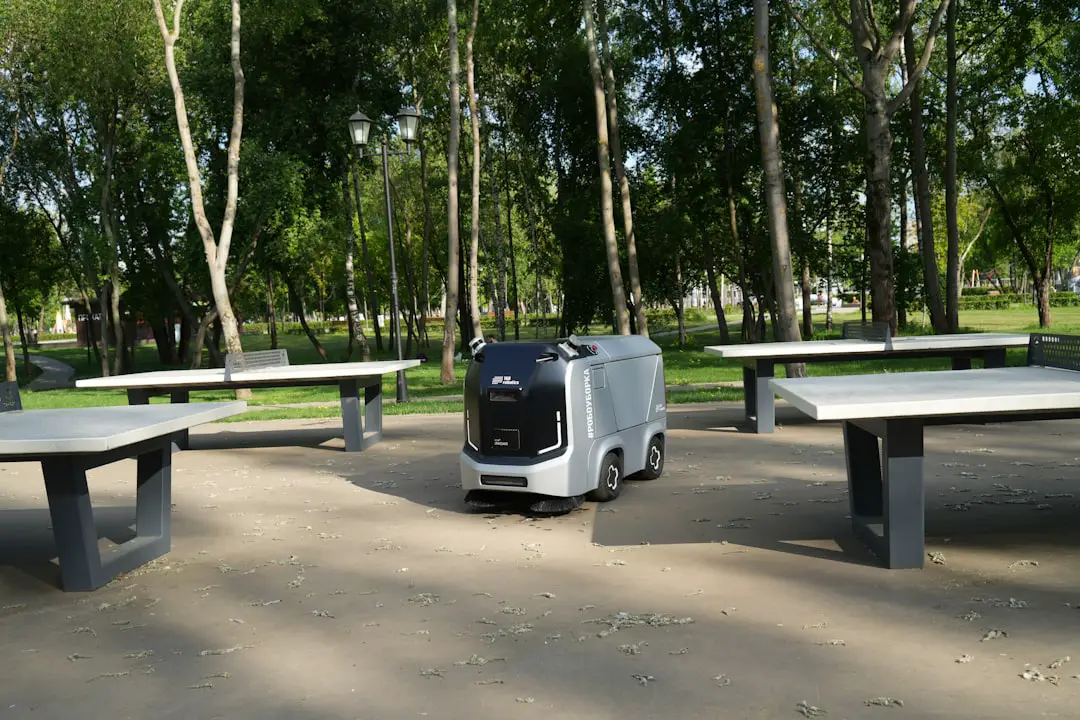
Furthermore, subscription-based Robotics-as-a-Service (RaaS) models allow companies to deploy robotics without heavy capital expenditure. This model provides flexibility for scaling operations up or down depending on business demand.
Challenges and Considerations
Despite the advantages, there are considerations organizations must evaluate before implementation:
Workforce Adaptation
Employees may initially resist automation due to job security concerns. Clear communication and retraining programs are essential to ensure smooth adoption.
Infrastructure Readiness
Though AMRs require minimal physical upgrades compared to AGVs, facilities must have reliable Wi-Fi connectivity, proper floor conditions, and digital inventory systems.
Maintenance and Downtime
While robots are highly reliable, routine maintenance and software updates are necessary to maintain peak performance.
The Future of Warehouse Automation
The future of warehouse robotics is closely tied to advancements in artificial intelligence, machine learning, and edge computing. Emerging trends include:
- Swarm Intelligence: Multiple robots working collaboratively with optimized traffic flow.
- Advanced Vision Systems: Improved object recognition for autonomous picking.
- Predictive Task Allocation: AI forecasting order trends and pre-assigning resources.
- Human-Robot Collaboration: Enhanced safety sensors enabling even closer interaction.
As supply chain networks grow increasingly complex, robotic automation will shift from being a competitive advantage to a necessity. What began as a productivity enhancement tool is quickly becoming the backbone of modern fulfillment operations.
Conclusion
Warehouse robotics tools like Fetch Robotics represent a significant step forward in automating repetitive tasks within logistics and distribution centers. By reducing manual travel, minimizing errors, and improving efficiency, these systems empower companies to meet accelerating consumer demands. Their flexibility, scalability, and integration capabilities make them an attractive solution for warehouses of various sizes.
As robotics technology continues to evolve, its role in transforming supply chain operations will only expand. Organizations that embrace these tools today position themselves at the forefront of operational excellence and long-term resilience.
Frequently Asked Questions (FAQ)
1. What types of tasks can warehouse robots automate?
Warehouse robots can automate material transport, order picking assistance, inventory scanning, replenishment, sorting, and returns processing. They primarily target repetitive and time-intensive activities.
2. How are Autonomous Mobile Robots different from AGVs?
AMRs use lidar sensors and AI to navigate dynamically without fixed tracks, while AGVs typically follow predefined paths such as magnetic strips or rails.
3. Are warehouse robots meant to replace human workers?
Most modern systems are designed for collaboration. Robots handle repetitive transport tasks, allowing employees to focus on higher-value responsibilities that require judgment and problem-solving.
4. How long does it take to implement warehouse robotics?
Implementation timelines vary by facility size, but many mobile robotics systems can be deployed within weeks rather than months due to minimal infrastructure changes.
5. Is warehouse automation affordable for small businesses?
With Robotics-as-a-Service subscription models, smaller companies can adopt automation without large upfront investments, making robotics increasingly accessible across different business sizes.
6. What maintenance do warehouse robots require?
Routine software updates, battery management, periodic hardware inspections, and sensor calibration are typically required to maintain peak performance.