In today’s fast-paced digital workplaces, information overload has become one of the biggest productivity killers. Employees spend hours searching for files, emails, reports, and insights scattered across cloud drives, messaging apps, and databases. Fortunately, artificial intelligence is transforming how organizations retrieve, organize, and use information. Modern AI-powered tools don’t just search—they understand context, learn from behavior, and proactively surface relevant knowledge when it’s needed most.
TLDR: AI workplace tools are dramatically improving how teams find and use information. From intelligent search engines and AI assistants to knowledge management platforms and document analyzers, these tools reduce time spent searching and increase productivity. The best solutions connect to multiple apps, understand context, and provide accurate, instant answers. Implementing the right combination can significantly streamline workflows across any organization.
Below are the top 12 workplace AI tools that are helping companies streamline information retrieval and make smarter, faster decisions.
1. Microsoft Copilot
Integrated into Microsoft 365, Microsoft Copilot uses generative AI to search across emails, documents, Teams chats, and calendars. Instead of manually digging through folders, employees can ask natural-language questions like:
- “Summarize the key points from last quarter’s marketing reports.”
- “Find emails related to the Acme proposal.”
Copilot doesn’t just retrieve data—it synthesizes it. This ability to combine information from multiple files makes it an invaluable tool for knowledge workers.
2. Google Cloud Vertex AI Search
Vertex AI Search enhances enterprise search by understanding context and intent. It connects to Google Workspace and other structured or unstructured data sources to deliver accurate answers instantly.
Its strengths include:
- Natural language understanding
- Personalized search results
- Multi-document summarization
For teams that rely heavily on Google Workspace, this solution can significantly reduce retrieval time.
3. Glean
Glean is an AI-powered workplace search platform that integrates with tools like Slack, Jira, Confluence, and Google Drive. It creates a unified search interface that learns employee behavior to improve results over time.

Glean stands out because it understands permissions and organizational structures, ensuring employees only see data they’re authorized to access while still getting highly relevant results.
4. Slack AI
Slack has evolved beyond messaging into a robust collaboration hub. Slack AI enhances information retrieval by summarizing long message threads and finding key conversations instantly.
Features include:
- Automated channel and thread summaries
- Context-aware message search
- Highlighting important decisions
This reduces the need to scroll through endless chat histories and helps users quickly locate discussions and answers.
5. Notion AI
Notion AI helps teams manage notes, documents, and projects more efficiently. It can extract answers from stored documents, generate summaries, and even draft new content based on existing knowledge.
Instead of manually searching through knowledge bases, users can simply ask:
- “What is our product launch timeline?”
- “Summarize the onboarding guide.”
This turns static documentation into an interactive knowledge assistant.
6. Atlassian Intelligence
Integrated into Jira and Confluence, Atlassian Intelligence enhances project documentation and issue tracking with AI-powered insights.
Key benefits include:
- Automatic summarization of tickets
- Smart search across knowledge bases
- Identification of related issues
This ensures technical teams spend less time locating documentation and more time solving problems.
7. IBM Watson Discovery
Watson Discovery is designed for enterprises managing large volumes of structured and unstructured data. It uses AI to analyze documents, extract insights, and provide accurate answers with evidence-backed references.
Industries like finance, healthcare, and law benefit greatly from its deep analysis capabilities, especially when precise, traceable information retrieval is required.
8. Elastic Enterprise Search
Elastic combines powerful search indexing with AI-driven relevance tuning. It provides:
- Natural language querying
- Semantic search
- Customizable dashboards
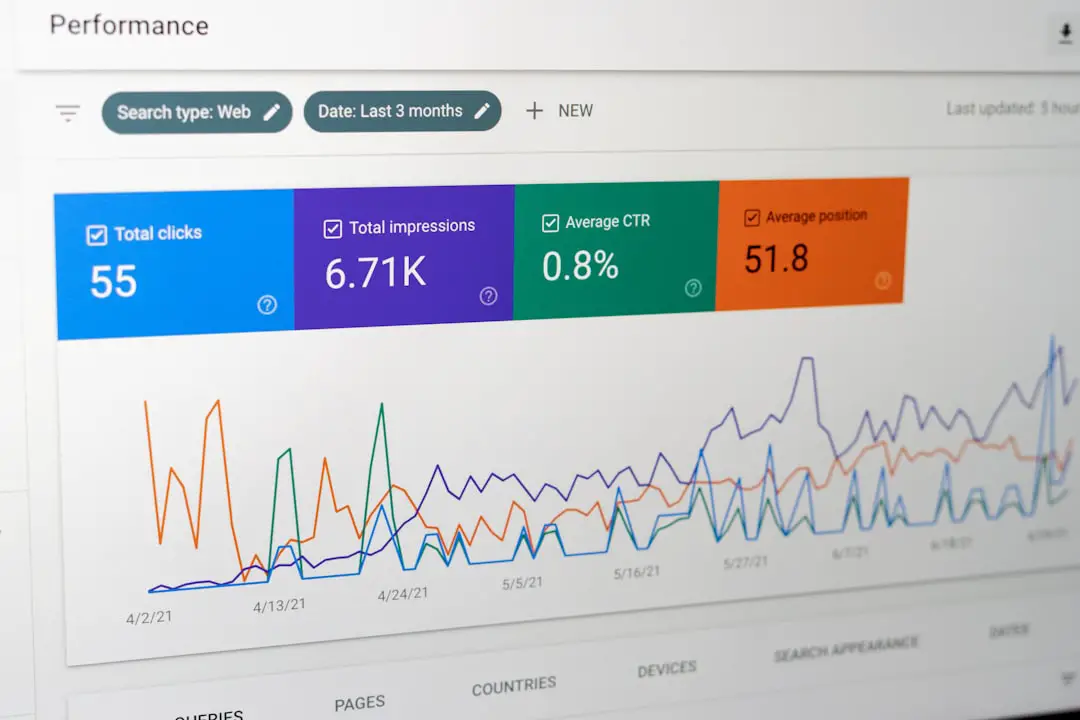
Companies that require flexibility and scalable search infrastructure often rely on Elastic to build customized solutions tailored to their workflows.
9. Coveo
Coveo focuses on relevance and personalization. By analyzing user behavior and context, it predicts what information employees are likely to need and delivers it proactively.
This predictive capability reduces repetitive searches and brings key knowledge directly into daily applications where teams already work.
10. Guru
Guru is an AI-powered knowledge management tool that integrates directly with browsers and collaboration platforms. It ensures employees access verified, up-to-date information without switching between apps.
Notable capabilities include:
- Real-time knowledge suggestions
- Verification workflows
- Contextual answers within other tools
Guru is especially valuable for customer support and sales teams that need accurate information quickly.
11. Bloomfire
Bloomfire centralizes company knowledge into a searchable repository powered by AI indexing. Its search engine recognizes synonyms and conversational queries, which helps users find content even when they don’t know the exact keywords.
This makes knowledge retrieval accessible and intuitive, particularly in larger organizations where terminology may vary across departments.
12. Moveworks
Moveworks acts as an AI assistant for internal operations. It integrates with enterprise systems to answer HR, IT, and finance questions instantly.
For example, employees can ask:
- “How do I reset my password?”
- “What is the remote work policy?”
The AI then retrieves and provides the correct information or triggers automated workflows to resolve the issue.

Why AI Information Retrieval Matters
Research consistently shows that employees spend a significant portion of their workweek searching for information. Traditional search tools rely heavily on keywords, which often produce incomplete or irrelevant results. AI-powered systems differ in several key ways:
- Semantic understanding: They interpret meaning rather than exact word matches.
- Context awareness: They consider user roles, past searches, and current tasks.
- Summarization: They condense large volumes of content into actionable insights.
- Proactive suggestions: They surface relevant knowledge before it’s requested.
Key Features to Look For
When selecting workplace AI tools, organizations should prioritize features that align with their needs. Consider the following:
- Integration capabilities: Can it connect to your existing tools?
- Security and compliance: Does it respect access controls and data privacy?
- Scalability: Will it grow with your organization?
- Ease of use: Is it intuitive enough for widespread adoption?
- Accuracy and reliability: Does it provide traceable sources?
A successful implementation requires not just choosing advanced technology but ensuring employees understand and trust it.
The Future of Workplace Knowledge
The future of workplace information retrieval lies in conversational AI and predictive intelligence. Rather than searching, employees will increasingly dialogue with systems that understand complex queries and offer synthesized answers. Over time, these tools may even anticipate information needs based on calendar events, project deadlines, or performance metrics.
Additionally, multimodal AI—combining text, voice, and image analysis—will enable richer, more dynamic knowledge interactions. Imagine asking your AI assistant to extract data from charts, summarize recorded meetings, and generate insights—all within seconds.
Final Thoughts
The modern workplace generates vast amounts of data every day. Without intelligent systems in place, finding critical information becomes a frustrating and time-consuming task. The top AI tools highlighted above are reshaping how teams access knowledge, collaborate, and make decisions.
By investing in AI-powered information retrieval, organizations can:
- Boost productivity
- Reduce knowledge silos
- Improve decision-making speed
- Enhance employee satisfaction
As AI technologies continue to evolve, businesses that embrace these tools will not only streamline operations but also create smarter, more agile workplaces prepared for the demands of the future.