Email remains one of the most reliable digital channels because it combines reach, personalization, and measurable performance in a way few platforms can match. But modern email marketing is no longer about sending one newsletter to everyone on a list. The best email solutions now bring together automation, segmentation, and reporting features to help businesses communicate more intelligently, save time, and improve results.
TLDR: Email solutions with automation, segmentation, and reporting help businesses send the right message to the right audience at the right time. Automation reduces manual work, segmentation improves relevance, and reporting reveals what is actually working. When these features work together, email becomes more than a communication tool; it becomes a scalable system for nurturing leads, retaining customers, and driving revenue.
Why Modern Email Solutions Matter
For many businesses, email is still the backbone of customer communication. It supports sales, onboarding, customer education, promotions, loyalty programs, event invitations, and post-purchase follow-ups. However, inboxes are crowded, attention spans are short, and customers expect messages that feel timely and relevant.
This is where advanced email solutions become valuable. Instead of relying on manual campaigns and broad messaging, these platforms allow teams to build structured communication flows, group audiences based on meaningful data, and analyze performance with precision. The result is a more strategic approach that can benefit small businesses, ecommerce brands, service providers, nonprofits, SaaS companies, and enterprise teams alike.
Automation: Turning Email Into a Smart Workflow
Email automation allows businesses to send messages automatically based on specific triggers, behaviors, dates, or customer attributes. Rather than manually creating and sending every email, marketers can design workflows that run in the background.
For example, when someone signs up for a newsletter, they can immediately receive a welcome email. A few days later, they might receive an educational message, followed by a product recommendation or an invitation to book a consultation. This sequence can happen without anyone on the team pressing “send” each time.
Common automation workflows include:
- Welcome sequences: Introduce new subscribers to your brand, values, products, or services.
- Abandoned cart emails: Remind shoppers to complete a purchase they started but did not finish.
- Lead nurturing campaigns: Educate prospects over time and move them closer to a buying decision.
- Re-engagement campaigns: Win back inactive subscribers with special offers or fresh content.
- Post-purchase follow-ups: Thank customers, request reviews, suggest complementary products, or provide helpful instructions.
- Birthday or anniversary emails: Send personalized messages based on important customer dates.
The power of automation lies in its consistency. Every subscriber can receive a carefully planned experience, regardless of when they join your list or interact with your business. This creates a smoother customer journey while reducing repetitive work for marketing and sales teams.
Segmentation: Making Messages More Relevant
If automation determines when emails are sent, segmentation determines who receives them. Segmentation is the practice of dividing an email list into smaller groups based on shared characteristics, behaviors, or preferences.
Sending the same message to everyone may be simple, but it is rarely the most effective approach. A first-time visitor, a loyal customer, a dormant subscriber, and a high-value buyer all have different needs. Segmentation helps you avoid generic communication and deliver content that feels more personal.
Useful segmentation criteria can include:
- Demographics: Age, location, language, job title, or industry.
- Purchase behavior: Previous purchases, average order value, purchase frequency, or product category interest.
- Email engagement: Opens, clicks, replies, inactive periods, or preferred content types.
- Website activity: Pages visited, downloads completed, forms submitted, or products viewed.
- Customer lifecycle stage: New lead, active prospect, first-time buyer, repeat customer, or churn risk.
- Preferences: Topics chosen by the subscriber, communication frequency, or product interests.
Consider an online retailer that sells clothing. Instead of sending a winter coat promotion to the entire list, the retailer can target customers in colder regions who previously browsed outerwear or purchased similar items. That campaign is far more likely to feel useful than a broad, untargeted message.
Reporting: Understanding What Works
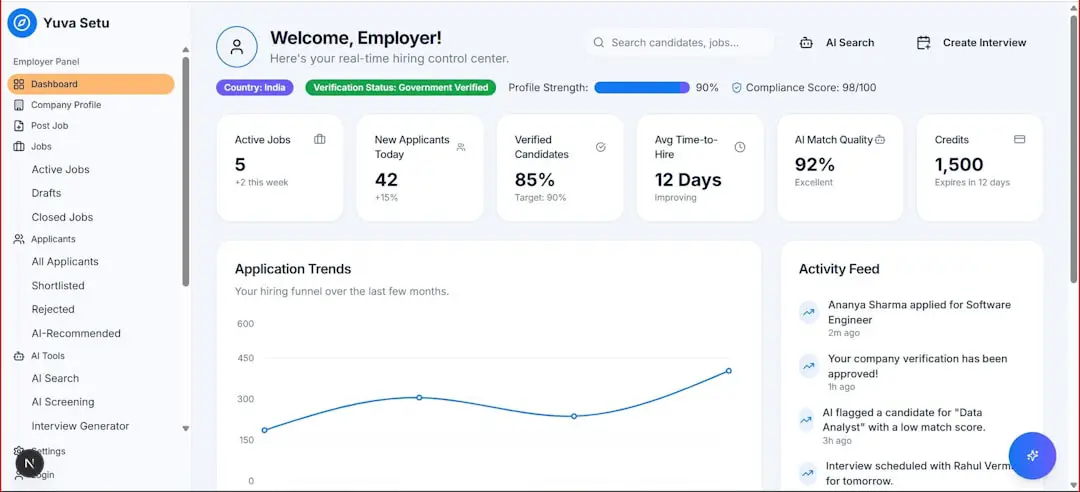
No email strategy is complete without reporting. Reporting features help marketers measure campaign performance, identify trends, and make better decisions. Without reliable data, teams are left guessing which subject lines, offers, designs, or audience segments are producing results.
Most email solutions provide standard metrics such as:
- Open rate: The percentage of recipients who opened an email.
- Click-through rate: The percentage of recipients who clicked a link inside the email.
- Conversion rate: The percentage of recipients who completed a desired action, such as purchasing or registering.
- Bounce rate: The percentage of emails that could not be delivered.
- Unsubscribe rate: The percentage of recipients who opted out after receiving an email.
- Revenue attribution: The sales or value generated by a specific campaign or automation.
Advanced reporting may also include heat maps, device breakdowns, geographic data, A/B test results, engagement timelines, funnel analysis, and customer lifetime value insights. These reports help teams move beyond vanity metrics and focus on meaningful business outcomes.
For example, a campaign may have a high open rate but a low conversion rate. That could mean the subject line is strong, but the offer, landing page, or call to action needs improvement. Another campaign may have fewer opens but generate more revenue because it targets a highly qualified segment. Reporting makes these distinctions visible.
How Automation, Segmentation, and Reporting Work Together
The real value of a modern email solution appears when automation, segmentation, and reporting are used together. Each feature supports the others, creating a feedback loop that improves performance over time.
Segmentation helps define the audience for an automated workflow. Automation delivers messages at the right moment. Reporting then shows how each audience and workflow performs. Based on those insights, teams can refine the segments, adjust the timing, rewrite content, test new offers, or remove underperforming steps.
Imagine a software company offering a free trial. It could create different automated onboarding sequences for users based on behavior. Users who log in daily may receive advanced tips, while users who have not activated key features may receive tutorials and support resources. Reporting can show which sequence leads to more paid upgrades, allowing the company to improve onboarding continuously.
This integrated approach turns email into a learning system. Every campaign provides data, and every insight can inform better communication.
Key Features to Look For in an Email Solution
When comparing email platforms, it is important to look beyond basic sending capabilities. A strong solution should make it easy to build, personalize, measure, and improve campaigns without requiring excessive technical effort.
Important features include:
- Visual automation builder: A drag-and-drop interface for creating workflows and customer journeys.
- Flexible segmentation tools: The ability to create dynamic audience groups based on real-time behavior and profile data.
- Personalization options: Support for names, product recommendations, location-based content, and conditional email blocks.
- A/B testing: Tools to compare subject lines, content, send times, calls to action, and design variations.
- Deliverability support: Features that help emails reach inboxes, such as authentication guidance, bounce management, and list hygiene tools.
- Integrations: Connections with ecommerce platforms, CRM systems, analytics tools, forms, payment systems, and customer support software.
- Detailed reporting: Campaign, automation, audience, and revenue reports that are easy to understand and act upon.
- Compliance tools: Consent management, unsubscribe links, privacy controls, and support for relevant regulations.
A platform should also match the skill level and goals of your team. Some businesses need simple templates and basic automations, while others require advanced branching logic, complex data integrations, and custom reporting dashboards.
Benefits for Different Types of Businesses
Email solutions with automation, segmentation, and reporting are useful across many industries. The specific use cases may vary, but the core benefits remain the same: better timing, stronger relevance, and clearer performance visibility.
Ecommerce businesses can use these tools to recover abandoned carts, recommend products, announce sales, reward loyal customers, and increase repeat purchases. Segmentation based on buying behavior can dramatically improve campaign relevance.
B2B companies can nurture leads over longer sales cycles. Automated sequences can educate prospects, share case studies, invite contacts to webinars, and notify sales teams when leads show buying intent.
Service-based businesses can automate appointment reminders, follow-up emails, testimonial requests, seasonal promotions, and educational newsletters. Segmentation can separate new inquiries from long-term clients.
Nonprofits can use email to communicate with donors, volunteers, event attendees, and advocates. Reporting can reveal which campaigns inspire donations, sign-ups, or community participation.
Best Practices for Better Results
Having powerful tools is only part of the equation. To get the most from an email solution, businesses need a thoughtful strategy and consistent optimization.
- Start with clear goals: Decide whether your priority is lead generation, customer retention, sales, education, or engagement.
- Keep lists clean: Remove invalid addresses and inactive contacts to protect deliverability and improve reporting accuracy.
- Use segmentation from the beginning: Even simple segments, such as new subscribers and existing customers, can improve relevance.
- Write for humans: Personalization should feel helpful, not robotic. Use clear language, useful content, and respectful timing.
- Test one variable at a time: A/B testing is most useful when you know exactly what you are comparing.
- Monitor reports regularly: Look for patterns, not just isolated results. Trends often reveal the best opportunities for improvement.
- Avoid over-automation: Automated does not mean impersonal. Review workflows periodically to ensure they still make sense.
Common Mistakes to Avoid
One of the biggest mistakes businesses make is building complicated automations before understanding their audience. A simple, well-targeted sequence often performs better than a complex workflow filled with irrelevant messages. Another common issue is ignoring inactive subscribers. Continuing to email people who never engage can hurt deliverability and distort performance data.
Businesses should also avoid focusing only on open rates. With privacy changes and image-blocking behavior, opens are not always fully reliable. Clicks, conversions, replies, revenue, and retention often provide a more complete picture of success.
The Future of Email Solutions
Email platforms are becoming more intelligent. Many now include predictive analytics, AI-assisted content suggestions, send-time optimization, behavior-based recommendations, and deeper customer data integrations. These advances make it easier to create highly personalized campaigns at scale.
However, the future of email is not just about technology. It is about trust. Subscribers are more likely to engage with brands that respect their preferences, provide real value, and communicate transparently. Automation should enhance the customer experience, not overwhelm it.
Final Thoughts
Email solutions with automation, segmentation, and reporting features give businesses a practical way to communicate with greater precision and impact. Automation saves time and ensures consistency. Segmentation makes messages more relevant. Reporting turns campaign activity into actionable insight.
When combined, these features transform email from a simple broadcasting channel into a strategic growth engine. Whether you are welcoming new subscribers, nurturing leads, recovering lost sales, or strengthening customer relationships, the right email solution can help you deliver smarter messages and make better decisions with every send.