Food truck catering has evolved far beyond grabbing a quick taco or burger from a curbside window. Today, mobile kitchens are rolling into weddings, corporate retreats, festivals, private parties, school events, and brand activations with menus and experiences that can rival traditional catering. The appeal is simple: food trucks bring freshly prepared food, built-in atmosphere, flexible service, and a sense of discovery that guests remember long after the event ends.
TLDR: Food truck catering is a creative way to make events feel more interactive, relaxed, and memorable. Instead of relying on traditional plated meals or buffet lines, hosts can use food trucks for themed stations, late-night snacks, dessert experiences, global cuisine, and outdoor celebrations. The key is to match the truck concept to your event style, guest count, venue, and timing. With thoughtful planning, food trucks can turn dining into one of the main attractions of the event.
Why Food Truck Catering Feels Fresh and Memorable
Traditional catering often focuses on efficiency and elegance, which certainly has its place. But food truck catering adds something different: movement, personality, and conversation. Guests see the kitchen, smell the food as it is being made, and often chat directly with the people preparing it. That kind of interaction creates a more casual and engaging dining experience.
Another major advantage is visual impact. A well-designed food truck naturally becomes part of the event décor. Whether it is a vintage gelato truck, a modern street taco trailer, or a colorful barbecue rig, the truck itself helps set the mood. For outdoor venues, industrial spaces, farms, breweries, and waterfront locations, food trucks fit in especially well.
They also give hosts a chance to offer unique menus without building an entire event around a formal meal. Instead of a predictable chicken-or-fish entrée, guests might choose from ramen bowls, wood-fired pizza, lobster rolls, Korean barbecue, vegan comfort food, gourmet grilled cheese, or handcrafted churros.
1. Wedding Receptions With a Relaxed Twist
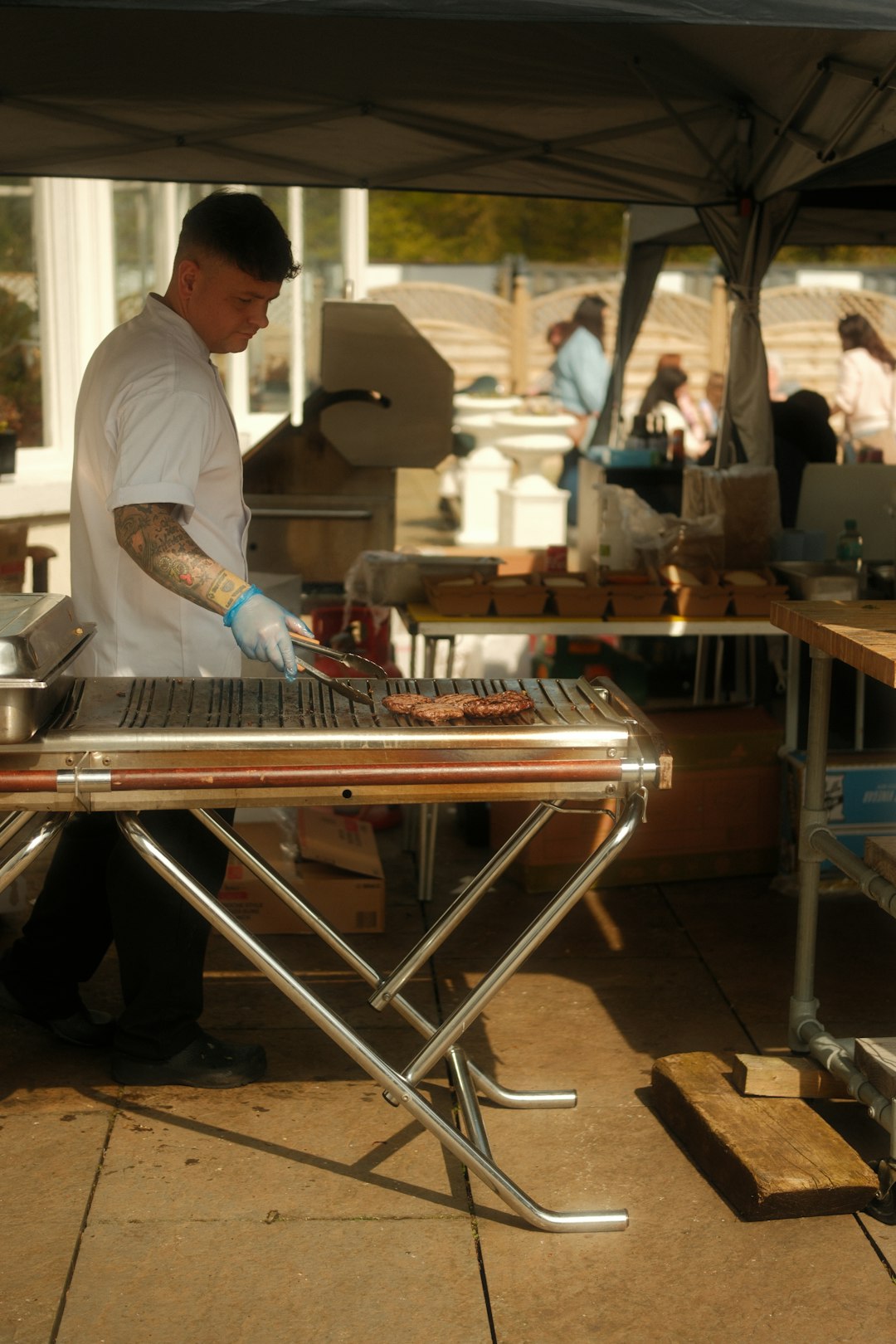
Food trucks can bring warmth and charm to weddings, especially for couples who want their celebration to feel personal rather than overly formal. A truck can serve as the main meal provider, a cocktail hour feature, or a late-night surprise after hours of dancing.
For example, a couple might choose a wood-fired pizza truck for a rustic vineyard wedding, a taco truck for a playful backyard reception, or a seafood truck for a coastal ceremony. Food trucks also work beautifully for brunch weddings, offering breakfast sandwiches, crêpes, coffee drinks, smoothie bowls, or mini pastries.
One especially popular idea is the late-night comfort food stop. After the formal dinner and cake cutting, a truck can roll up with sliders, fries, dumplings, doughnuts, or milkshakes. This not only feeds hungry guests but also creates a second wave of excitement.
- Best wedding truck ideas: tacos, pizza, barbecue, crêpes, gelato, coffee, mini burgers
- Works well for: outdoor receptions, barn venues, garden weddings, casual celebrations
- Planning tip: coordinate timing carefully so guests are served quickly and no long lines form during key moments
2. Corporate Events That Encourage Mingling
Corporate catering can sometimes feel predictable, especially when guests are served boxed lunches or standard buffet trays. Food trucks make business events feel more energetic and social. They are ideal for employee appreciation days, office openings, product launches, networking events, team-building retreats, and conference lunches.
Instead of seating everyone at tables with identical meals, multiple trucks can create a mini food festival atmosphere. This encourages employees and attendees to walk around, try different cuisines, and talk to people outside their usual circles. For companies trying to create a more relaxed and inclusive environment, this can be a smart strategy.
Food trucks can also reinforce a brand theme. A tech company launching a wellness app might bring in smoothie, salad, and plant-based trucks. A creative agency hosting a summer party might choose bold international flavors, craft sodas, and ice cream sandwiches. The food becomes part of the event story.
- Estimate service speed based on guest count and event length.
- Offer variety, including vegetarian, vegan, gluten-free, and allergy-conscious options.
- Create seating zones so guests can eat comfortably and continue networking.
- Use signage to display menus, dietary notes, and serving locations.
3. Backyard Parties That Feel Like Mini Festivals
A backyard party can become unforgettable with the right food truck. Instead of managing grills, coolers, serving trays, and cleanup, the host can enjoy the party while professionals handle the food. This is especially useful for milestone birthdays, graduation parties, family reunions, anniversary celebrations, and neighborhood gatherings.
The trick is choosing a truck that matches the mood. For a casual summer party, consider burgers, barbecue, tacos, or ice cream. For a more refined garden gathering, a Mediterranean truck, sushi cart, or artisan pizza trailer can feel elevated without becoming stiff. For kids’ parties, look for trucks serving mini pancakes, popcorn, frozen treats, hot dogs, or colorful desserts.
To make the event feel even more festive, pair the truck with simple entertainment: lawn games, a playlist, string lights, picnic blankets, or a small photo area. Food trucks naturally invite guests to wander, so design the space to support movement.
4. Themed Food Truck Nights
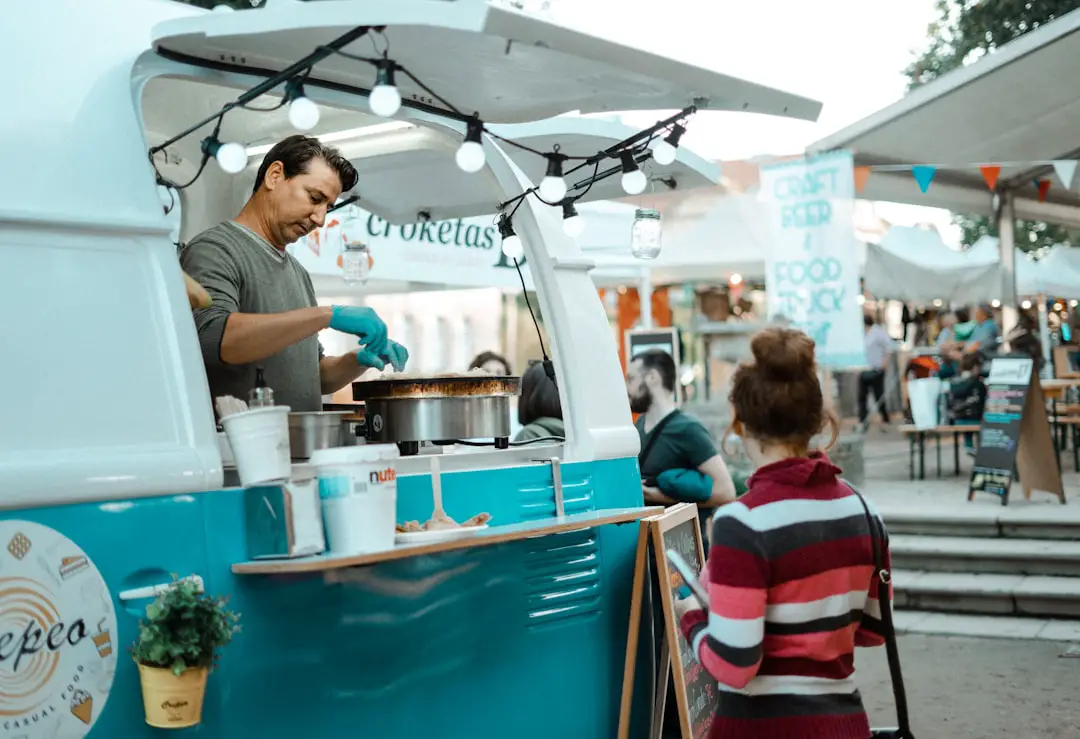
One of the most exciting ways to use food truck catering is to build the entire event around a theme. A theme gives guests something to anticipate and makes menu planning easier. Instead of offering random food options, every truck, drink station, and decoration can support one clear concept.
For example, a “Taste of the World” night might feature Thai noodles, Mexican street corn, Jamaican jerk chicken, French crêpes, and Italian gelato. A retro carnival theme could include corn dogs, funnel cakes, lemonade, popcorn, and soft serve. A coastal seafood night might offer lobster rolls, fish tacos, clam chowder, and key lime pie.
Themed food truck events are particularly effective for fundraisers, school festivals, community events, apartment resident nights, and cultural celebrations. They make the food feel like entertainment rather than just a meal.
- Global street food night: dumplings, arepas, falafel, noodles, empanadas
- Southern comfort theme: barbecue, fried chicken, biscuits, peach cobbler
- Breakfast for dinner: waffles, breakfast burritos, coffee, doughnuts
- Dessert crawl: cupcakes, ice cream, churros, macarons, milkshakes
5. Cocktail Hours and Appetizer Trucks
Food trucks do not always need to serve full meals. They can also provide small bites during cocktail hour or pre-event mingling. This approach works well when you want to offer something more dynamic than passed hors d’oeuvres but still keep the event flowing.
Mini tacos, bao buns, sliders, skewers, arancini, dumplings, oysters, bruschetta, and small charcuterie cones are all excellent options. Guests can walk up, grab a bite, and keep socializing. The casual format removes some of the pressure of formal dining and gives people an easy conversation starter.
For upscale events, look for trucks or mobile caterers that specialize in styled presentation. Many now offer custom serving trays, branded packaging, coordinated uniforms, and polished menu boards. This allows the experience to feel both fun and refined.
6. Late-Night Snack Stations
Late-night food is one of the most crowd-pleasing uses of food truck catering. After several hours of dancing, drinking, networking, or celebrating, guests often appreciate something warm, salty, sweet, or nostalgic. A surprise food truck arriving near the end of the event can feel like a gift.
Popular late-night options include loaded fries, grilled cheese, ramen, street tacos, pizza slices, fried chicken sandwiches, doughnuts, pretzels, and ice cream. The best choices are easy to hold, quick to serve, and satisfying without requiring a formal table setting.
This idea is especially effective for weddings, music events, holiday parties, and college events. It helps keep energy high and can encourage guests to stay longer.
7. Food Trucks for Festivals and Community Events
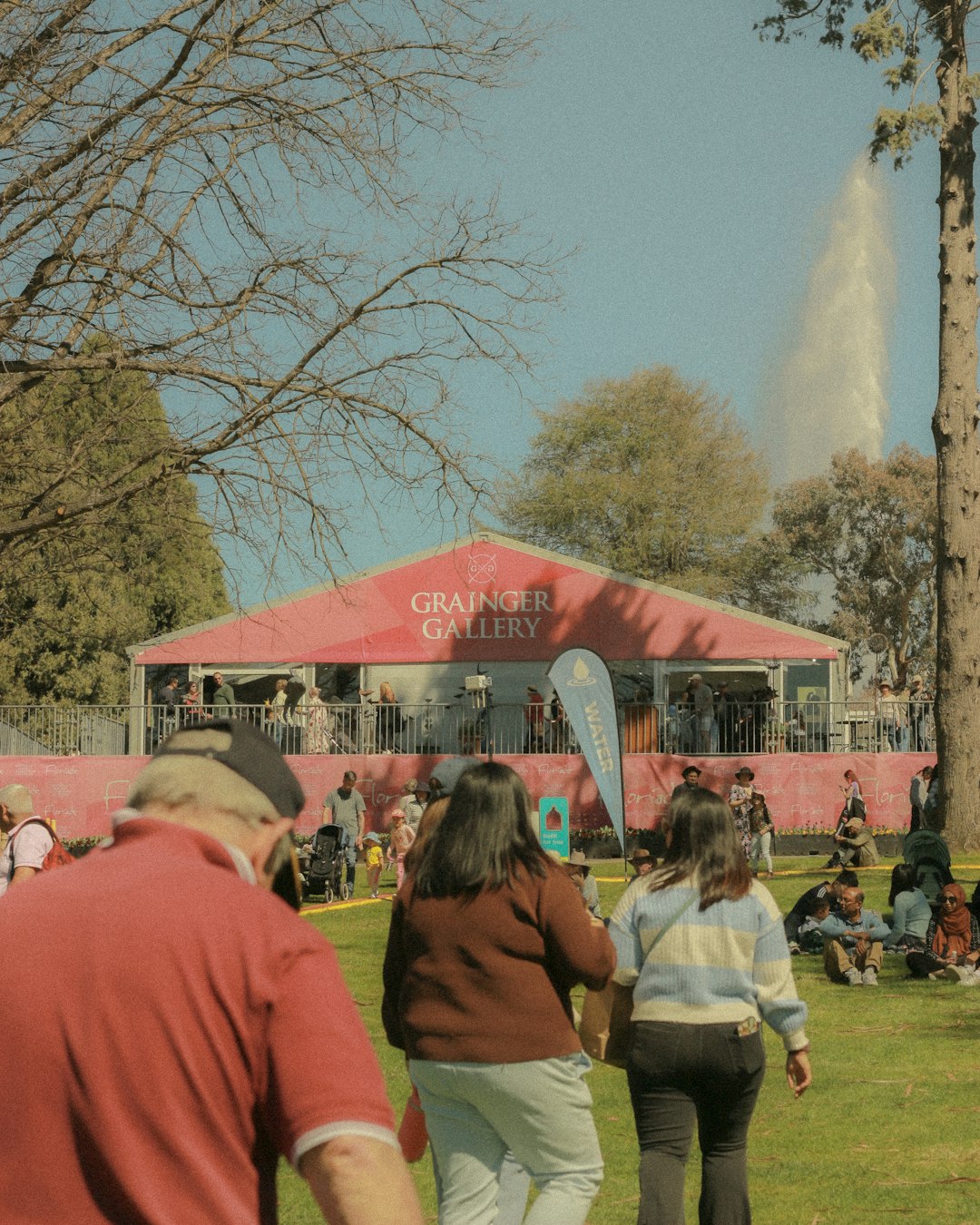
For large events, food trucks offer logistical advantages. Rather than relying on one large catering tent, organizers can spread multiple vendors throughout the event area, reducing bottlenecks and giving attendees more choices. This is why food trucks are a natural fit for concerts, outdoor movie nights, farmers markets, charity walks, school fairs, and local festivals.
A strong vendor mix is essential. Aim for balance: one or two hearty meal trucks, a vegetarian-focused option, a dessert truck, a coffee or beverage vendor, and perhaps a specialty snack station. If the audience is broad, avoid having too many trucks that serve similar food.
Event organizers should also think about infrastructure. Trucks may need access to power, water, parking space, waste disposal, and permits. Clear signage and line management are equally important, especially when attendance is high.
8. Interactive Dining Experiences
Food truck catering becomes even more engaging when guests can customize their meals. Build-your-own concepts create interaction and reduce the feeling of waiting in a line. Think taco bars, rice bowl trucks, loaded baked potato stations, pasta bowls, poke bowls, or gourmet hot chocolate carts.
Customization is also helpful for dietary preferences. Guests can choose proteins, sauces, toppings, spice levels, and portion sizes. This flexibility makes food trucks a practical option for mixed groups where one menu may not satisfy everyone.
For a memorable touch, consider adding a chef’s special or event-exclusive menu item. A wedding might feature a taco named after the couple. A corporate event might serve a burger inspired by the company’s hometown. These details make the experience feel intentional.
Tips for Planning Food Truck Catering Successfully
While food trucks can simplify many parts of catering, they still require thoughtful planning. A truck is not just a menu; it is also a vehicle, kitchen, service station, and guest experience all in one.
- Confirm venue rules: Some venues have restrictions on outside vendors, parking, generators, open flames, or food service locations.
- Match truck count to guest count: One truck may be enough for an intimate party, but larger events usually need multiple vendors to avoid long lines.
- Plan for weather: Outdoor service should include shade, tenting, heaters, umbrellas, or an indoor backup plan when needed.
- Clarify pricing: Trucks may charge per person, by minimum sales guarantee, by service window, or through direct guest purchases.
- Review service style: Decide whether food will be made to order, prepped in batches, served buffet-style from the truck, or offered as tickets.
- Communicate dietary needs: Ask for clear labels and at least a few inclusive menu choices.
Turning a Meal Into a Memory
The best food truck events are not just about convenience. They are about creating moments: guests laughing in line, choosing toppings, discovering a new cuisine, sharing fries at midnight, or taking photos in front of a beautifully designed truck. Food becomes part of the atmosphere rather than a break from it.
Whether you are planning a wedding, company celebration, neighborhood event, or private party, food truck catering offers a flexible way to move beyond traditional dining. With the right concept, layout, and timing, a mobile kitchen can do more than feed your guests. It can become one of the highlights of the entire event.