Food truck catering can bring efficiency, personality, and memorable food service to an event, but it requires more planning than simply booking a truck and choosing a menu. A successful setup depends on logistics, timing, guest flow, permits, service capacity, and clear communication between the host, venue, and vendor. When those details are handled early, a food truck can be one of the most reliable and engaging catering options available.
TLDR: Food truck catering works best when you plan the site layout, guest count, menu, service timing, and vendor requirements in advance. Confirm permits, power access, parking, insurance, and weather contingencies before signing the final agreement. The biggest risks are long lines, unclear responsibilities, poor placement, and underestimating service time. Treat the food truck like a full catering operation, not just a novelty.
Start With the Purpose of the Event
Before contacting vendors, define what role the food truck will play. Is it the main meal service, a late-night snack, a dessert station, or a casual alternative to a plated dinner? This decision affects nearly every planning detail, including the number of trucks needed, the menu size, setup location, and service window.
For a corporate lunch, speed and consistency may matter most. For a wedding reception, presentation and timing are often more important. For a festival or public event, the key concern may be volume and queue control. Being clear about the purpose helps vendors provide realistic recommendations rather than generic pricing.
Important planning question: Will guests be eating at the same time, or will service be staggered? A truck that can comfortably serve 80 guests over two hours may struggle if all 80 line up in the first 20 minutes.
Estimate Guest Count Accurately
Guest count is one of the most important details in food truck catering. It determines how much food the vendor prepares, how many staff members are needed, and how long service will take. Giving a vague number creates risk for both the host and the caterer.
Provide vendors with the most accurate estimate possible, then explain the nature of the crowd. Adults, children, athletes, office workers, and wedding guests may have very different appetites. If alcohol is served, late-night food demand may increase. If the event takes place during lunch or dinner hours, assume most guests will want a full meal.
- Small events: One truck may be enough for 40 to 100 guests, depending on the menu and service speed.
- Medium events: For 100 to 250 guests, consider one high-capacity truck or multiple trucks with coordinated menus.
- Large events: Events above 250 guests usually require several trucks, advance ordering, timed meal periods, or supplemental catering stations.
Do not assume that a popular food truck can automatically handle any crowd size. Even experienced operators have limits based on grill space, fryer capacity, prep area, and staff.
Choose the Right Menu for the Setting
A food truck menu should fit the event environment. The best menu is not always the most creative one; it is the one that can be served consistently, quickly, and at the right temperature. For private events, many trucks offer a simplified catering menu instead of their full street menu. This is often a good thing.
A limited menu improves speed, reduces errors, and helps guests make decisions faster. For example, offering three main items, one vegetarian option, one side, and beverages may be more effective than offering ten custom combinations. If guests must ask many questions before ordering, the line will move slowly.
Confirm dietary accommodations in writing. Ask whether the truck can provide vegetarian, vegan, gluten-free, dairy-free, halal, kosher-style, or allergy-conscious options. Be careful with allergy claims. A small truck kitchen may not be able to guarantee against cross-contact, especially with nuts, shellfish, wheat, or dairy.

Understand Service Speed and Line Management
One of the most common mistakes in food truck catering is underestimating how long service will take. A food truck is a compact mobile kitchen, not a banquet hall with multiple buffet lines. Even an excellent truck can develop long waits if the menu is complex or guests arrive all at once.
Ask each vendor how many meals they can realistically serve per hour. Then compare that number with your guest count and planned meal window. If a truck can serve 60 meals per hour and you have 180 guests, a two-hour service window may not be enough unless service is staggered or additional support is added.
To improve flow, consider the following options:
- Use meal tickets: Tickets help control portions and prevent non-guests from ordering at private events.
- Create timed groups: Invite tables, departments, or guest groups to order in stages.
- Post the menu in advance: Guests decide faster when they already know their options.
- Add a separate drink station: Keeping beverages away from the truck window reduces congestion.
- Use pre-orders: For office events or weddings, pre-selected meals can speed service significantly.
Line management is not only about convenience. Long waits can affect the event schedule, guest satisfaction, and vendor performance.
Confirm Space, Parking, and Site Access
Food trucks require more than a parking spot. They need safe access, adequate clearance, a level surface, room for guests to line up, and sometimes space for generators, service tables, trash bins, or support vehicles. Before booking, measure the available area and provide photos or a site map to the vendor.
Ask the truck operator for exact dimensions, including height, width, length, and any extra space needed for serving windows or doors. Some trucks cannot navigate narrow driveways, steep inclines, low tree branches, tight turns, or soft ground. If the event is at a private home, farm, school, courtyard, or historic property, access should be reviewed carefully.
A truck that cannot safely enter, park, or level itself may not be able to serve, even if it arrives on time.
Also consider where the line will form. Guests should not be forced into traffic lanes, emergency exits, muddy areas, or pathways used by other vendors. A good layout protects both safety and service efficiency.
Check Venue Rules, Permits, and Insurance
Every location has different requirements for food truck catering. Some venues welcome trucks; others restrict them because of fire codes, noise, grease disposal, parking limitations, or exclusive catering contracts. Never assume that a venue permits mobile food service simply because there is outdoor space.
Confirm the following before signing a contract:
- Venue approval: The venue must allow outside food trucks and mobile cooking operations.
- Business licensing: The vendor should have appropriate local business and health permits.
- Food safety certification: Staff should follow current food handling requirements.
- Fire compliance: Trucks using propane, fryers, or open flame may need fire department approval.
- Insurance: Request a certificate of insurance if required by the venue.
- Exclusive vendor clauses: Some venues charge outside catering fees or prohibit outside food service entirely.
For public events, city permits may be more complex. You may need approvals for vending, parking, street use, sanitation, amplified sound, or public assembly. Start this process early, especially for events in downtown areas, parks, campuses, or municipal spaces.
Review Power, Water, and Waste Requirements
Some food trucks operate independently with onboard generators and water tanks. Others prefer or require access to electrical outlets, potable water, or designated disposal areas. These requirements should be clarified during the planning stage.
Generators can be practical, but they create noise, fumes, and placement concerns. If the event includes speeches, ceremonies, or live music, generator noise may be disruptive. Ask how loud the generator is and where it must be placed for safe ventilation.
Waste is another critical issue. Decide who is responsible for trash cans, liners, recycling, composting, and end-of-event cleanup. A professional vendor should manage its own cooking waste, grease, and internal sanitation, but guest trash may be the host’s responsibility unless otherwise stated.
Put cleanup responsibilities in the contract. Ambiguity often leads to frustration after the event, when staff are tired and the venue expects the site to be restored quickly.
Plan for Weather and Guest Comfort
Food truck events often depend on outdoor or semi-outdoor spaces, which means weather planning is essential. Rain, wind, extreme heat, cold temperatures, and poor lighting can all affect service. Even if the truck can cook in bad weather, guests may not want to stand outside waiting for food.
Consider tents, covered walkways, heaters, fans, umbrellas, lighting, and durable flooring. If the ground may become muddy, create a stable path from the seating area to the truck. If the event is during summer, provide shade and water. If it is in the evening, make sure guests can read menus and walk safely.
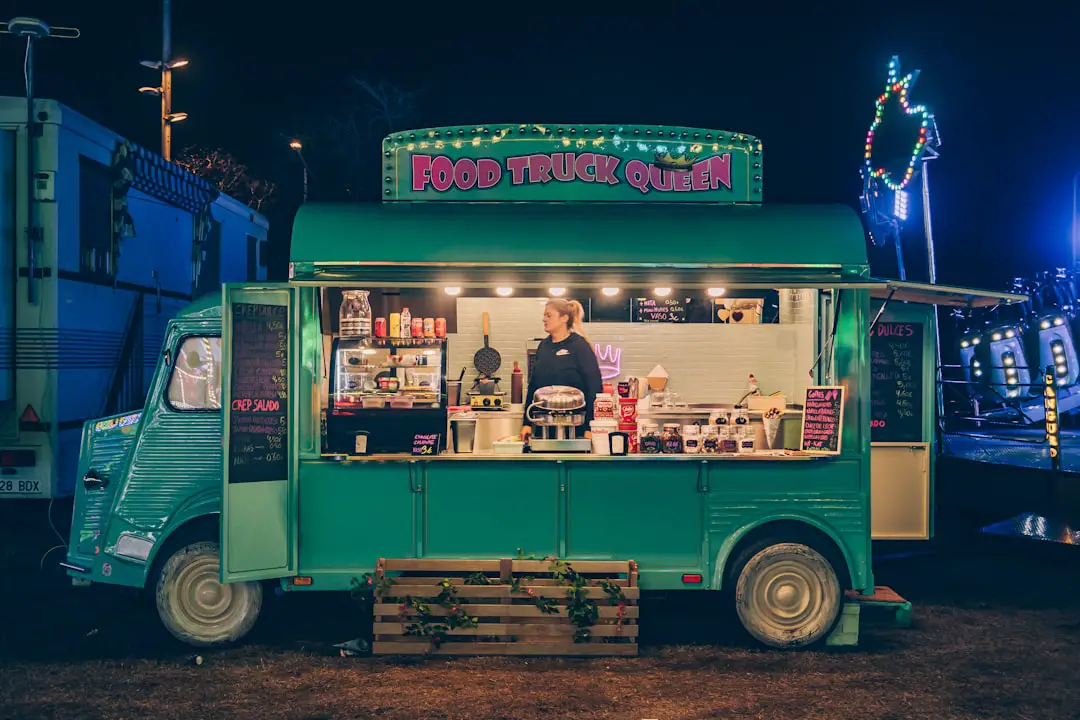
Have a weather contingency in writing. This may include moving the truck to a covered area, adjusting service time, offering prepackaged meals, or relocating guests indoors after ordering. The goal is not to control the weather; it is to prevent predictable discomfort and confusion.
Clarify Pricing and Payment Structure
Food truck catering pricing can vary widely. Some vendors charge per person, some require a minimum sales guarantee, some charge a flat event fee, and others operate on individual guest purchases. The right model depends on the event type.
For private events, a hosted package usually provides the best guest experience because attendees do not need to pay at the window. For public events, individual sales may be appropriate, but vendors may still require a minimum guarantee to protect themselves if attendance is low.
Review the quote carefully and ask what is included:
- Food and beverage items
- Service time and arrival time
- Travel or mileage fees
- Staffing
- Taxes and gratuity
- Disposable plates, napkins, utensils, and packaging
- Setup and breakdown
- Overtime charges
- Cancellation or postponement terms
A low quote may not be the best value if it excludes staffing, travel, rentals, or adequate service time. Serious planning requires comparing complete proposals, not just headline prices.
Put Operational Details in Writing
A professional food truck agreement should include more than the date and menu. It should document the operational details that determine whether the event runs smoothly. Verbal agreements are easy to forget, especially when multiple people are involved in planning.
Your agreement should specify:
- Event date and location
- Vendor arrival, setup, service, and departure times
- Guaranteed guest count or meal count
- Menu items and dietary options
- Payment schedule and deposit requirements
- Power, water, and parking needs
- Weather contingency plan
- Permit and insurance responsibilities
- Cleanup expectations
- Cancellation, delay, and force majeure terms
This level of detail protects both parties. It also gives the venue coordinator, event planner, and vendor a shared reference point.
Coordinate the Event Timeline
Food service should be integrated into the full event schedule. If there are speeches, ceremonies, entertainment, or transportation deadlines, the truck’s service time must align with them. A common mistake is placing food service immediately after a major program moment, causing all guests to rush the truck at once.
Build in arrival and setup time. Many trucks need 45 to 90 minutes before service begins. They may need time to park, level the vehicle, heat equipment, organize ingredients, and pass any required inspection. If the truck arrives too close to mealtime, delays are likely.
For weddings and formal events, assign someone other than the couple or host to communicate with the truck on the event day. For corporate events, designate a site contact who can answer questions about parking, building access, and timing. The vendor should have that person’s phone number before arrival.
Think About the Guest Experience
The food may be excellent, but the overall experience depends on comfort, clarity, and flow. Guests should know where to go, what is available, whether they need tickets, and how long service will last. Signs can reduce confusion and repeated questions.
Seating also matters. Some food truck meals are easy to eat while standing; others require tables. If the menu includes saucy, heavy, or multi-part dishes, provide adequate seating and surfaces. Make sure there are enough napkins, utensils, and trash bins nearby.
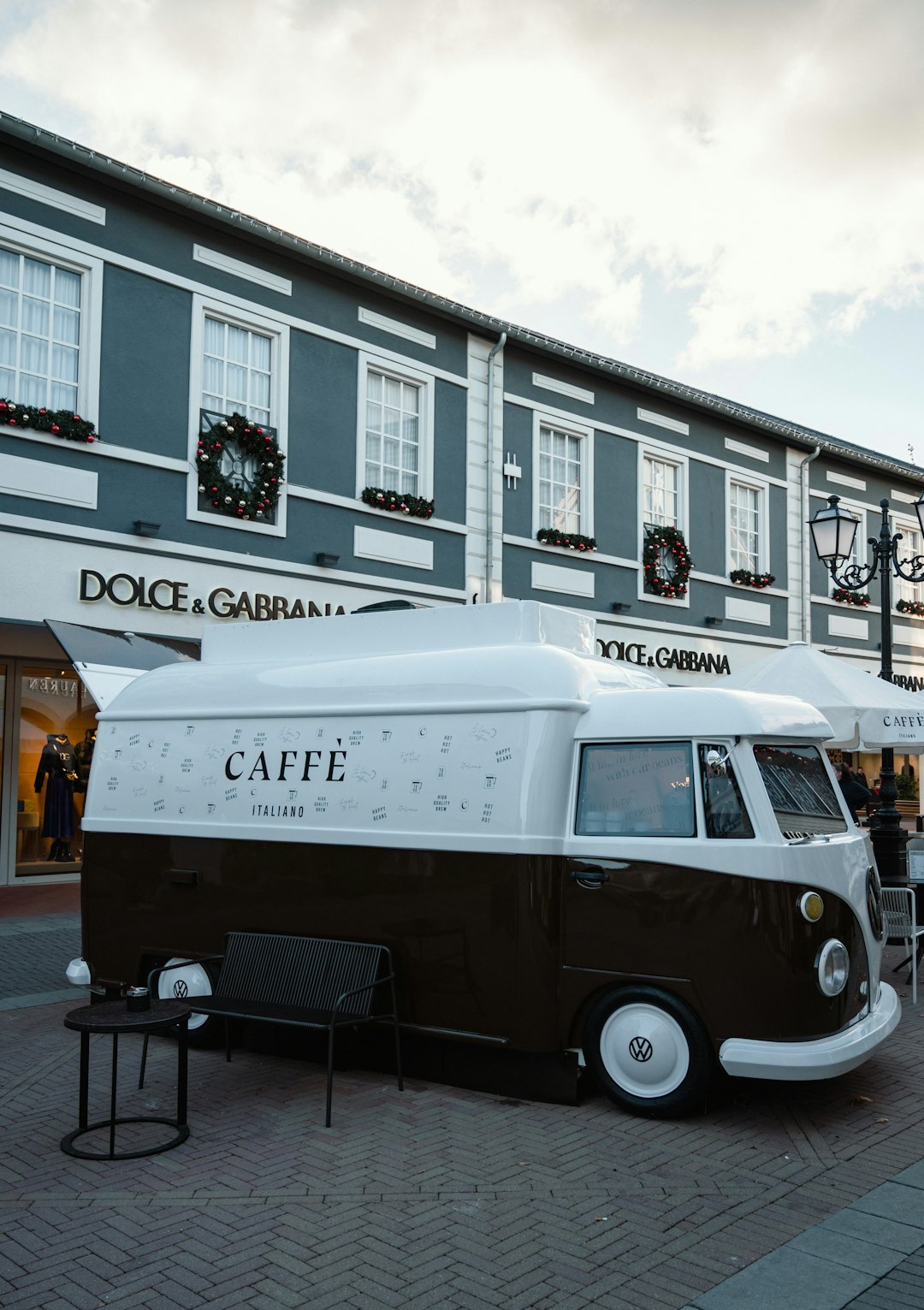
If the event is formal, ask the vendor how food will be packaged or plated. Disposable trays may be fine for casual gatherings but may feel out of place at an upscale reception. Presentation should match the tone of the event.
Evaluate Vendor Reliability
Not every popular food truck is prepared for private catering. Street service and event catering require different skills. A catering-ready vendor should be responsive, organized, transparent about limitations, and willing to discuss logistics in detail.
When evaluating vendors, look for:
- Clear written proposals
- Proof of licensing and insurance
- Experience with similar event sizes
- Realistic service capacity estimates
- Professional communication
- Backup plans for staffing or equipment issues
- Recent reviews that mention catered events, not only street sales
Ask direct questions. What happens if the truck breaks down? What if a staff member calls out? How do they manage a sudden increase in demand? Serious vendors will have practical answers, even if no plan can eliminate every risk.
Final Checklist Before the Event
In the final week, confirm every critical detail. This is not unnecessary repetition; it is professional risk management. Event problems often occur because reasonable assumptions were never verified.
- Confirm final guest count and meal count.
- Reconfirm arrival, setup, and service times.
- Send the vendor a site map and parking instructions.
- Verify venue approval, permits, and insurance documents.
- Confirm power, water, generator, and lighting arrangements.
- Review weather plans and backup locations.
- Prepare signs, tickets, or guest instructions.
- Assign an on-site contact for vendor questions.
- Confirm trash, recycling, and cleanup responsibilities.
- Review payment balance and gratuity arrangements.
Conclusion
Food truck catering can make an event feel distinctive, relaxed, and memorable, but only when the operational details are handled with care. The most successful hosts treat the truck as a professional catering partner and plan for its real needs: space, timing, permits, utilities, staffing, service flow, and guest comfort.
The details that seem minor during planning are often the ones that determine the outcome. A clear menu keeps lines moving. A correct parking plan prevents delays. A written agreement avoids disputes. A weather plan protects the guest experience. With serious preparation and the right vendor, food truck catering can be both efficient and impressive.