Small and mid-sized businesses face the same digital threats as large enterprises, but they often have fewer resources, smaller IT teams, and tighter budgets. As cyberattacks become more automated and targeted, a structured cybersecurity package can help these organizations protect data, reduce downtime, meet compliance expectations, and maintain customer trust.
TLDR: Cybersecurity packages for small and mid-sized businesses combine essential tools, services, and policies into a manageable security program. A strong package typically includes endpoint protection, email security, firewalls, backup solutions, employee training, monitoring, and incident response support. The best option depends on the company’s size, industry, risk level, compliance needs, and internal IT capabilities.
Why Cybersecurity Packages Matter for Smaller Organizations
Small and mid-sized businesses, often referred to as SMBs, are frequent targets for cybercriminals because they may have valuable data but limited defenses. Attackers understand that a smaller company may not have a full-time security team, advanced monitoring tools, or a formal response plan. This creates opportunities for phishing, ransomware, business email compromise, credential theft, and data breaches.
A cybersecurity package helps bring order to a complex problem. Instead of purchasing disconnected tools one at a time, an organization can adopt a bundled set of protections designed to work together. These packages may be offered by managed service providers, cybersecurity firms, software vendors, or local IT consultants. Their purpose is to provide layered protection, which means that if one defense fails, another control can reduce the damage.

Core Elements of a Cybersecurity Package
Although packages vary by provider, most quality cybersecurity solutions for SMBs include several foundational components. These components protect users, devices, networks, data, and cloud systems.
- Endpoint protection: Security software installed on laptops, desktops, and servers to detect malware, ransomware, and suspicious activity.
- Email security: Filtering systems that block phishing attempts, malicious attachments, spoofed messages, and dangerous links.
- Firewall management: Hardware or cloud-based firewalls that control traffic entering and leaving the business network.
- Multi-factor authentication: A login security method requiring a second form of verification, reducing the impact of stolen passwords.
- Data backup and recovery: Regular backups that allow the business to restore files and systems after ransomware, hardware failure, or accidental deletion.
- Security awareness training: Employee education designed to reduce human error, which remains one of the biggest cybersecurity risks.
- Patch management: Regular updating of software, operating systems, and applications to close known vulnerabilities.
- Monitoring and alerts: Systems that watch for unusual activity and notify administrators or security professionals when threats appear.
Basic, Standard, and Advanced Packages
Cybersecurity packages are often offered in tiers. This allows businesses to select a level of protection that matches their risk profile and budget. While every provider uses different names, the most common structures include basic, standard, and advanced plans.
Basic Cybersecurity Package
A basic package is designed for very small businesses with limited systems and relatively simple operations. It usually includes antivirus or endpoint protection, basic firewall configuration, email spam filtering, automatic software updates, and simple cloud backup. This type of package may be suitable for a small retail shop, local professional service firm, or startup with fewer than ten employees.
The basic tier is helpful, but it should not be mistaken for complete protection. It reduces common risks but may not include 24-hour monitoring, advanced threat detection, compliance reporting, or formal incident response. Businesses that handle payment data, health records, legal documents, or sensitive client information often require stronger controls.
Standard Cybersecurity Package
A standard package is typically the best fit for many small and mid-sized businesses. It adds more complete coverage, including managed endpoint detection, stronger email protection, multi-factor authentication, secure remote access, centralized device management, and employee training. It may also include periodic vulnerability scans and basic reporting for leadership.
This level is appropriate for companies with remote workers, cloud applications, shared files, customer databases, and multiple departments. It supports daily operations while reducing the likelihood of disruptions caused by ransomware, phishing, and account compromise.
Advanced Cybersecurity Package
An advanced package is intended for organizations with higher risk or stricter compliance obligations. It may include managed detection and response, security information and event management, dark web monitoring, penetration testing, advanced backup strategies, encryption, mobile device management, and incident response planning.
Mid-sized businesses in finance, healthcare, manufacturing, legal services, e-commerce, and technology often benefit from advanced protection. These organizations may have more complex networks, valuable intellectual property, regulatory requirements, or customers who demand proof of strong security practices.
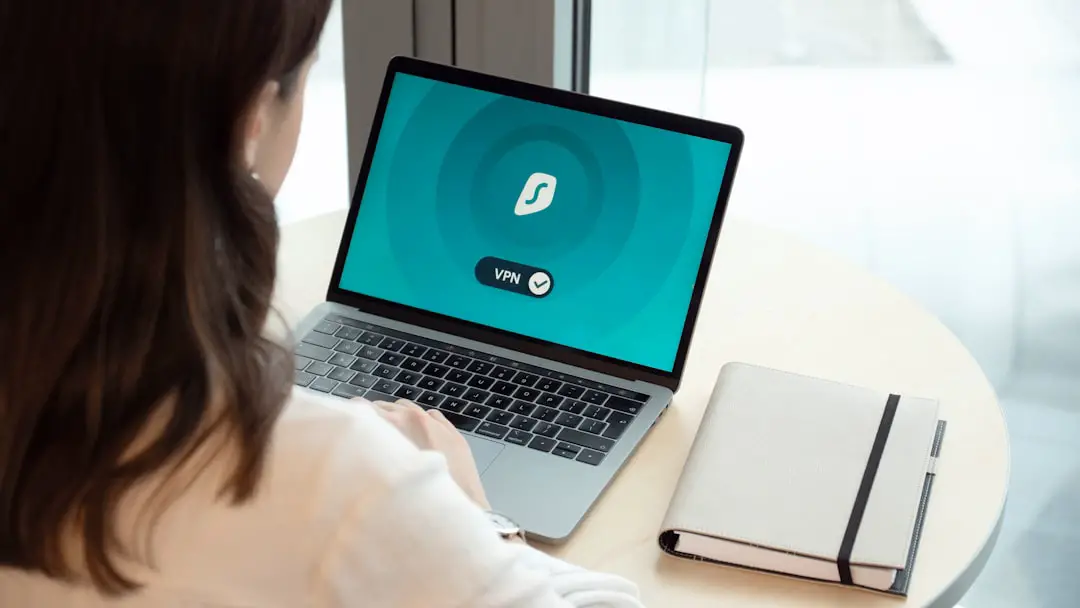
The Role of Managed Security Services
Many SMBs do not have the budget to hire a full cybersecurity department. Managed security services help fill that gap. A managed service provider, or MSP, can deliver cybersecurity tools, monitor systems, respond to alerts, and maintain security settings on behalf of the business.
For many organizations, this model is more practical than building everything internally. The provider brings specialized knowledge, established processes, and access to enterprise-grade tools. The business gains security support without needing to recruit and retain multiple cybersecurity professionals.
However, companies should carefully evaluate providers. A strong provider should offer clear service descriptions, transparent pricing, response time commitments, reporting, and defined responsibilities. The business should understand exactly what is included, what costs extra, and what steps are taken during a security incident.
Important Features to Compare
When evaluating cybersecurity packages, decision-makers should avoid choosing based on price alone. The least expensive package may leave important gaps, while the most expensive option may include tools the company does not need. A practical comparison should focus on coverage, support, scalability, and accountability.
- Scope of protection: The package should cover endpoints, email, cloud accounts, networks, identities, and data backups.
- Monitoring hours: Some providers monitor only during business hours, while others offer 24/7 monitoring.
- Incident response: The package should explain who responds, how quickly, and what assistance is included.
- Compliance support: Businesses in regulated industries may need reports, policies, logs, and audit assistance.
- Backup frequency: More frequent backups reduce potential data loss after an attack or system failure.
- Employee training: Training should be recurring, practical, and updated as threats change.
- Cloud security: The package should protect platforms such as Microsoft 365, Google Workspace, file-sharing systems, and customer relationship management tools.
- Scalability: The solution should grow as the business adds employees, locations, devices, and applications.
Common Threats Addressed by Cybersecurity Packages
Cybersecurity packages are designed to reduce exposure to the most common and damaging threats. One of the most significant is phishing, where attackers trick employees into revealing passwords, clicking malicious links, or approving fraudulent payments. Strong email filtering, employee training, and multi-factor authentication can greatly reduce this risk.
Ransomware is another major threat. In a ransomware attack, criminals encrypt company data and demand payment for restoration. A well-designed package uses endpoint detection, restricted access controls, patch management, and reliable backups to limit damage. Backups are especially important because they provide a recovery path that does not depend on paying criminals.
Business email compromise is also a serious concern. Attackers may impersonate executives, vendors, or customers to request wire transfers or sensitive information. Email authentication, user training, approval workflows, and suspicious login alerts can help prevent these scams.
Other threats include stolen credentials, insider misuse, unpatched software, insecure remote access, and cloud misconfigurations. A layered cybersecurity package addresses these risks through a combination of technology, policy, and human awareness.
Cybersecurity and Compliance
Many SMBs must consider compliance requirements. A healthcare provider may need to protect patient data, a retailer may need to follow payment card security rules, and a financial services company may need to meet strict data protection standards. Even companies without formal regulatory obligations may face security requirements from clients, insurers, or business partners.
A cybersecurity package can support compliance by providing documentation, logging, access controls, encryption, backup records, and security policies. However, compliance and security are not identical. A company may pass an audit and still have weak defenses if controls are poorly maintained. The strongest approach treats compliance as a baseline and cybersecurity as an ongoing risk management process.
Budgeting for Cybersecurity
The cost of a cybersecurity package depends on company size, number of devices, number of users, complexity, compliance needs, and service level. Some providers charge per user, per device, or as a monthly managed service fee. Others offer custom pricing based on risk assessment and required coverage.
For smaller businesses, cybersecurity should be viewed as a necessary operating expense rather than an optional technology upgrade. The cost of prevention is often far lower than the cost of a breach. A single ransomware event can cause lost revenue, recovery expenses, legal fees, reputational damage, and higher insurance premiums.
A practical budgeting process begins with identifying the most critical assets. These may include customer data, accounting systems, email accounts, intellectual property, operational systems, and cloud storage. The organization can then select a package that protects those assets first, with room to expand over time.

How Businesses Should Choose the Right Package
Selecting the right cybersecurity package requires a clear understanding of business operations. A company should begin by assessing its current environment, including devices, users, software, cloud platforms, remote access methods, and sensitive data. This assessment helps identify gaps and priorities.
Next, leadership should consider the company’s risk level. A business that stores confidential client files, processes payments, or depends heavily on online systems needs stronger protection than a company with minimal digital operations. Industry expectations should also be considered, especially when clients ask for proof of cybersecurity controls.
It is also important to involve both business and technical stakeholders. Cybersecurity affects operations, finance, legal risk, customer service, and reputation. When leadership treats security as a business issue rather than only an IT issue, the selected package is more likely to match actual needs.
Best Practices for Getting Maximum Value
Even the best cybersecurity package requires active participation from the business. Employees must follow policies, leadership must support security initiatives, and systems must be kept current. A package works best when it becomes part of the company’s normal operations.
- Review reports regularly: Security reports should be read and discussed, not ignored.
- Test backups: Backups should be restored periodically to confirm that recovery will work.
- Train employees frequently: Short, repeated training sessions are often more effective than one annual lecture.
- Limit access: Employees should only have access to the systems and data required for their roles.
- Update policies: Security policies should reflect current tools, remote work practices, and business processes.
- Review vendors: Third-party providers should meet reasonable security standards.
The Future of SMB Cybersecurity Packages
Cybersecurity packages are becoming more automated, cloud-focused, and identity-driven. As businesses rely more on remote work, software-as-a-service platforms, and mobile devices, security must follow users wherever they work. Future packages will likely include more artificial intelligence for threat detection, stronger identity management, and deeper protection for cloud applications.
Cyber insurance requirements are also influencing package design. Insurers increasingly expect companies to use multi-factor authentication, endpoint detection, backups, and written incident response plans. Businesses that adopt stronger cybersecurity packages may have an easier time qualifying for coverage and responding to insurer questions.
Ultimately, cybersecurity is not a one-time purchase. It is an ongoing program that combines people, processes, and technology. For small and mid-sized businesses, a well-chosen cybersecurity package provides a practical path toward stronger protection without requiring enterprise-level staffing or complexity.
FAQ
What is a cybersecurity package for a small or mid-sized business?
A cybersecurity package is a bundled set of tools and services designed to protect a business from digital threats. It may include endpoint protection, email security, backups, monitoring, employee training, firewall management, and incident response support.
How much should an SMB spend on cybersecurity?
The right budget depends on the company’s size, industry, data sensitivity, and risk level. Many businesses pay a monthly fee per user or device. The investment should be weighed against the potential cost of downtime, data loss, legal exposure, and reputational harm.
Is antivirus software enough for a small business?
No. Antivirus software is only one layer of protection. Modern threats often involve phishing, stolen passwords, cloud account compromise, and ransomware. A complete package should include multiple layers such as multi-factor authentication, backups, monitoring, and training.
Do small businesses really need cybersecurity training?
Yes. Employees are often the first target of attackers. Training helps staff recognize phishing emails, suspicious links, fraudulent payment requests, and unsafe password practices.
What is the difference between managed cybersecurity and buying software?
Buying software provides tools, but managed cybersecurity includes ongoing support, monitoring, configuration, updates, and response assistance. Managed services are often better for businesses without dedicated internal security staff.
How often should a cybersecurity package be reviewed?
A package should be reviewed at least annually, and also whenever the business adds new systems, expands locations, changes compliance requirements, or experiences a security incident.