Every writer eventually faces a blank page that feels heavier than it should. Ideas may be available, deadlines may be close, and the topic may be familiar, yet the words still refuse to arrive. In modern content creation, a blog post generator can act as a practical support system, helping writers move past hesitation, organize ideas, and produce first drafts more efficiently.
TLDR: A blog post generator helps overcome writer’s block by turning rough ideas into structured drafts, outlines, titles, and topic suggestions. It saves time by reducing the effort spent on research planning, formatting, and repetitive writing tasks. While it should not replace human creativity, it can give writers a faster starting point and make the editing process smoother. Used well, it becomes a productivity tool rather than a shortcut.
Why Writer’s Block Happens
Writer’s block is often described as a lack of inspiration, but it is usually more complicated than that. A writer may struggle because the topic feels too broad, the introduction feels difficult, or the pressure to create something original becomes overwhelming. In some cases, the writer knows what needs to be said but cannot decide how to say it.
Content marketers, bloggers, business owners, and freelance writers often work under tight schedules. They may need to publish consistently, follow search engine guidelines, satisfy client expectations, and maintain a specific brand voice. When all of these responsibilities come together, the creative process can feel less like writing and more like solving a complicated puzzle.
A blog post generator helps by reducing the pressure of starting from nothing. Instead of facing an empty document, the writer can begin with prompts, outlines, headlines, draft sections, or content ideas. This shift can make the writing process feel more manageable.

How a Blog Post Generator Creates a Starting Point
One of the most powerful benefits of a blog post generator is its ability to create a starting point. Many writers lose time staring at a blank screen, trying to craft the perfect opening sentence. A generator can provide several possible introductions, angles, or outlines based on a chosen topic.
This does not mean the generated text must be used exactly as it appears. Instead, it gives the writer raw material to shape, improve, and personalize. A rough draft is often much easier to edit than an empty page. Once words exist on the screen, the writer can respond to them, rearrange them, or replace them with stronger ideas.
For example, a business blogger writing about customer retention may not immediately know where to begin. A blog post generator can suggest an outline that includes customer loyalty, personalization, feedback loops, and post-purchase communication. Even if the final article changes direction, the outline helps the writer understand possible paths forward.
Turning Ideas Into Organized Outlines
Disorganization is a major cause of writing delays. A writer may have many ideas but no clear structure. Without a framework, the article can become confusing, repetitive, or incomplete. A blog post generator can quickly create a logical outline with headings, subheadings, and supporting points.
An organized outline gives the writer a roadmap. It shows where the introduction belongs, how the main arguments should unfold, and what conclusion would make sense. This can be especially useful for long-form content, where maintaining flow is more difficult.
Common outline elements generated by these tools include:
- Headline ideas that capture the topic and intended audience.
- Introductory angles that help frame the article.
- Main section headings that organize the content logically.
- Bullet points for supporting arguments or examples.
- Conclusion prompts that help wrap up the article clearly.
When a writer has a structure in place, the project often feels smaller. Instead of writing an entire blog post at once, the writer can focus on one section at a time.
Saving Time During the Research and Planning Stage
Research and planning can consume a large portion of the writing process. Writers often spend time identifying subtopics, comparing angles, and deciding which questions the article should answer. A blog post generator can speed up this early stage by suggesting related themes, frequently asked questions, and common reader concerns.
Although generated suggestions should be checked for accuracy, they can help the writer quickly discover what readers may expect from a topic. This is especially valuable when the writer is creating content in a competitive niche, where missing an important subtopic could make the article less useful.
Human review remains essential. A blog post generator can suggest ideas, but the writer is responsible for verifying facts, adding expertise, and ensuring the final content is trustworthy. The tool saves time not by eliminating research entirely, but by making the planning phase faster and more focused.
Helping Writers Maintain Consistency
Consistency is important for blogs that publish regularly. Audiences often expect a steady flow of useful content, and search engines tend to reward sites that remain active and relevant. However, maintaining a consistent publishing schedule can be difficult when each post requires hours of brainstorming, outlining, drafting, and editing.
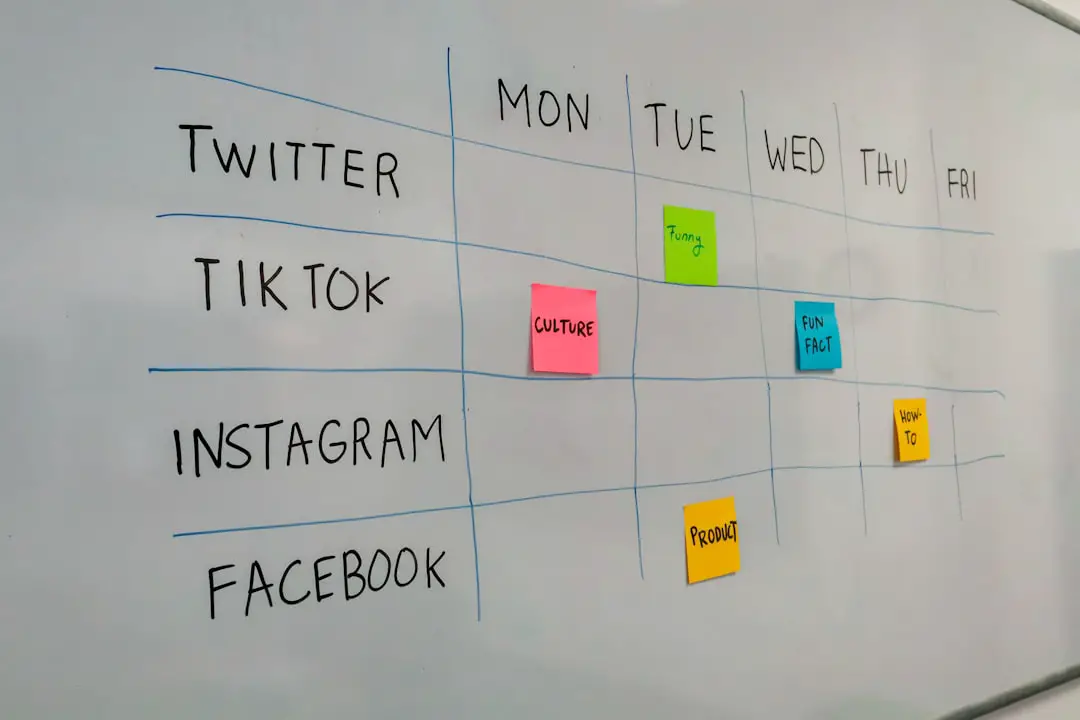
A blog post generator can help writers keep momentum. It can provide topic ideas for an editorial calendar, draft content faster, and adapt similar formats for different subjects. For example, a company blog may regularly publish how-to guides, comparison articles, list posts, and educational explainers. A generator can help create repeatable structures for these formats, reducing the time required to begin each piece.
This consistency does not have to make the writing feel generic. A skilled writer can use the generated draft as the foundation, then add examples, stories, expert commentary, product knowledge, and a distinctive tone. The result is content that is both efficient to produce and valuable to read.
Reducing Mental Fatigue
Writing requires many decisions. The writer must decide what to include, what to remove, how to phrase each point, which examples to use, and how to transition between ideas. Over time, these decisions can create mental fatigue, especially when the writer produces content every day.
A blog post generator reduces some of that decision load. It can suggest headline variations, meta descriptions, section titles, and topic clusters. Instead of inventing every piece from scratch, the writer can choose from options and refine them. This can make the process feel less exhausting.
For teams, this can also reduce bottlenecks. If a marketing department needs multiple articles for a campaign, a generator can help produce early drafts or outlines that team members can review and improve. Editors can then focus on quality, accuracy, and brand alignment rather than waiting for a first draft to appear.
Improving Speed Without Sacrificing Quality
Some people worry that using a blog post generator will lead to low-quality content. That can happen if the output is copied without review. However, when used carefully, the tool can support quality by giving the writer more time for editing, fact-checking, and strategic improvement.
The first draft is rarely the best version of any article. A generator can create that first draft quickly, allowing the writer to spend more energy on strengthening the argument, improving clarity, and adding original insight. This is where human creativity still matters most.
A strong workflow may look like this:
- Enter a clear topic or prompt into the blog post generator.
- Review the suggested outline and adjust it for the intended audience.
- Generate a draft for selected sections or the full article.
- Edit for accuracy, tone, and originality.
- Add personal examples, expert insights, and brand-specific details.
- Proofread and optimize before publishing.
With this approach, the tool handles some of the repetitive work, while the writer remains in control of the final message.
Generating Fresh Topic Ideas
Another common form of writer’s block is not knowing what to write about next. This is especially common for blogs that have been active for months or years. After covering the obvious topics, the writer may feel that every idea has already been used.
A blog post generator can suggest new angles on familiar subjects. It may recommend beginner guides, advanced tutorials, myth-busting articles, trend discussions, seasonal content, comparison posts, or FAQ-style articles. These suggestions can help the writer see the topic from a fresh perspective.
For example, a fitness blog may have already covered basic workout routines. A generator might suggest related topics such as workout recovery, motivation strategies, home exercise mistakes, or fitness routines for busy professionals. These ideas can expand the content plan without forcing the writer to start from zero.
Supporting SEO and Readability
Many blog post generators are designed to support search-friendly content. They can propose keyword-focused headings, related questions, and readable structures. This can save time for writers who need to balance creativity with search engine optimization.
Good blog content must serve both readers and search engines. A generator can help identify terms that may belong in the article, but the writer must use them naturally. Keyword stuffing or overly mechanical writing can harm readability. The best results come when SEO suggestions are blended into helpful, human-centered content.
Readability is another advantage. A generator can break complex topics into sections, bullet points, and short paragraphs. This makes the article easier to scan, which is important for online readers. The writer can then improve the flow, add transitions, and ensure the text sounds natural.

Helping Non-Writers Communicate More Clearly
Not every person responsible for blog content is a professional writer. Small business owners, consultants, coaches, and startup teams often need to publish articles even if writing is not their main skill. A blog post generator can help these users communicate their knowledge in a clearer and more structured way.
For a subject matter expert, the challenge is often not knowledge but presentation. The expert may understand the topic deeply but struggle to organize it for readers. A generator can turn a rough idea into a readable framework, making it easier for the expert to explain concepts, answer customer questions, and share practical advice.
This can save significant time. Instead of spending hours figuring out how to structure a post, the expert can begin with a draft and then add real-world knowledge that only a human can provide.
Keeping the Human Touch
A blog post generator is most effective when it is treated as an assistant, not an author. It can speed up the process, but it cannot fully replace human judgment, lived experience, emotional intelligence, or brand understanding.
The writer should always review the generated content carefully. Facts should be checked, claims should be supported, and generic statements should be replaced with specific examples. The final article should sound like it belongs to the person or organization publishing it.
The human touch is what turns generated text into meaningful communication. A blog post generator can provide the clay, but the writer shapes the sculpture.
Conclusion
A blog post generator can make the writing process faster, easier, and less intimidating. It helps overcome writer’s block by providing ideas, outlines, introductions, drafts, and structural guidance. It also saves time by reducing repetitive planning tasks and helping writers maintain a consistent publishing schedule.
However, the best results come from a balanced approach. The tool should support the writer’s creativity, not replace it. When a writer combines generated assistance with personal insight, careful editing, and audience awareness, the final content can be both efficient and engaging.
FAQ
What is a blog post generator?
A blog post generator is a digital tool that creates blog ideas, outlines, headings, drafts, or complete article sections based on a prompt or topic. It is designed to help speed up the writing process.
Can a blog post generator completely remove writer’s block?
It may not remove writer’s block entirely, but it can make it much easier to overcome. By providing a starting point, it reduces the pressure of facing a blank page.
Is generated blog content ready to publish immediately?
Generated content should usually be edited before publishing. A writer should check accuracy, improve tone, add original examples, and make sure the content fits the intended audience.
Does using a blog post generator save time?
Yes. It can save time during brainstorming, outlining, drafting, and formatting. The writer can then spend more time refining the article instead of building it from scratch.
Can a blog post generator help with SEO?
Many generators can suggest keyword-friendly headings, related topics, and common questions. However, the writer should ensure that SEO elements are used naturally and do not reduce readability.
Who can benefit from using a blog post generator?
Bloggers, marketers, freelance writers, business owners, agencies, consultants, and subject matter experts can all benefit. It is especially helpful for anyone who needs to create content regularly while saving time.