Blogging once meant staring at a blank screen and whispering, “Please, brain, do something.” Now we have blog post generator tools. These tools help bloggers and digital marketers plan, write, edit, and optimize content faster. They are not magic robots with coffee cups. But they are very useful helpers.
TLDR: Blog post generator tools can help you create ideas, outlines, drafts, titles, and SEO content faster. The best tools include ChatGPT, Jasper, Copy.ai, Writesonic, Surfer, Frase, Semrush ContentShake AI, and more. Use them to save time, but always edit the final post. Your human voice still matters most.
Why Bloggers Love Blog Post Generator Tools
Blogging is fun. But it is also a lot of work.
You need ideas. You need headlines. You need research. You need structure. You need SEO. You need a good hook. Then you need to write the whole thing without getting distracted by snacks, emails, or dog videos.
That is where blog post generators come in.
These tools can help you:
- Create blog topic ideas.
- Write outlines.
- Generate full first drafts.
- Improve intros and conclusions.
- Write SEO titles and meta descriptions.
- Find keywords and content gaps.
- Rewrite boring text into better text.
- Speed up your content workflow.
Think of them as your content sidekick. You are still the hero. The tool just holds the map.

1. ChatGPT
ChatGPT is one of the most flexible blog writing tools around. You can ask it for ideas, outlines, titles, introductions, FAQs, summaries, and full drafts.
It works well because it can follow detailed instructions. You can tell it your audience, tone, keywords, and goal. Then it can shape the content around those needs.
Best for: Bloggers who want a flexible writing assistant.
Fun use: Ask it to write blog titles in the style of “friendly expert,” “bold marketer,” or “calm teacher.” It can give you very different options fast.
Tip: Do not just say, “Write a blog post.” Give clear details. Better prompts bring better results.
2. Jasper
Jasper is a popular AI writing tool built for marketers. It helps with blog posts, ad copy, emails, product copy, and social content.
Jasper is known for its templates. These make it easy to create specific types of content. You can generate blog intros, conclusions, outlines, and long-form content.
It also has brand voice features. This is helpful if your business needs a consistent style across many posts.
Best for: Marketing teams and serious content creators.
Why it stands out: It feels built for business content. It is not just a fun writing toy. It is more like a marketing desk with buttons.
3. Copy.ai
Copy.ai is another strong tool for digital marketers. It is great for quick content tasks. You can use it for blog ideas, short sections, product descriptions, emails, and social posts.
It is especially useful when you need to move fast. If your brain feels empty, Copy.ai can fill the page with options.
Best for: Fast content creation and marketing copy.
Good for:
- Blog post ideas.
- Headlines.
- Short blog sections.
- Email copy.
- Social media captions.
Tip: Use it to brainstorm. Then pick the best parts and add your own flavor.
4. Writesonic
Writesonic is a blog post generator that focuses on speed and SEO-friendly writing. It can create articles, landing pages, ads, and product descriptions.
One of its biggest strengths is its article generation workflow. You can enter a topic, choose options, and get a complete draft.
It also offers tools for paraphrasing, expanding, and summarizing content.
Best for: Bloggers who want quick drafts with SEO in mind.
Why marketers like it: It gives you a starting point fast. That means less blank-screen panic.
5. Frase
Frase is a smart choice for SEO content. It helps you research what is already ranking on Google. Then it helps you build an outline based on that research.
This is very useful for bloggers who care about search traffic. Frase can show common headings, questions, and topics used by top-ranking pages.
Best for: SEO-focused bloggers and content strategists.
Cool feature: It helps you understand what your article may need before you write it.
That means fewer guesses. And fewer sad SEO surprises.
6. Surfer AI and Surfer SEO
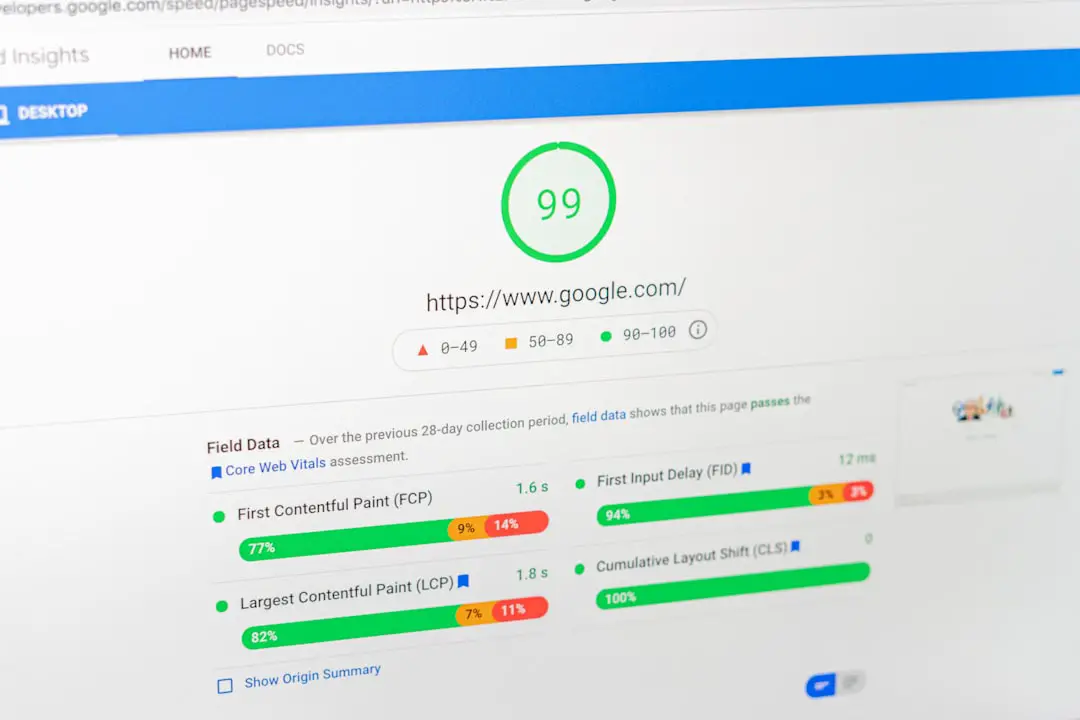
Surfer is known for SEO content optimization. Surfer SEO helps you improve blog posts by comparing them with top-ranking pages. Surfer AI can also help generate articles.
It gives content scores, keyword suggestions, heading ideas, and structure tips. This makes it helpful for writers who want their posts to rank better.
Best for: SEO teams, affiliate bloggers, and content marketers.
Why it is notable: It combines writing with optimization. That is a powerful mix.
Simple warning: Do not stuff keywords like you are packing a suitcase too full. Write for humans first.
7. Semrush ContentShake AI
Semrush ContentShake AI combines AI writing with SEO data. It helps users create blog ideas, drafts, and optimized content.
Since Semrush is already known for keyword research and digital marketing tools, ContentShake AI is useful for marketers who want writing help inside an SEO-friendly workflow.
Best for: Small businesses, marketers, and bloggers who want SEO guidance.
Nice benefit: It can suggest content ideas based on your niche.
8. HubSpot AI Blog Writer
HubSpot offers AI tools that can help with blog writing and marketing content. For businesses already using HubSpot, this can be very convenient.
You can use it to create drafts, generate ideas, and support inbound marketing campaigns.
Best for: Businesses using HubSpot for marketing and CRM.
Why it helps: It fits well into a larger marketing system. That makes planning and publishing smoother.
9. Rytr
Rytr is a simple and budget-friendly AI writing tool. It helps with blog ideas, outlines, paragraphs, emails, and more.
It may not have every advanced feature of bigger tools. But it is easy to use. That is a big plus for beginners.
Best for: New bloggers and solo creators.
Why it is fun: It is quick, simple, and not scary. You can start writing without a giant learning curve.
10. Anyword
Anyword focuses on performance writing. It is popular with marketers who care about conversions.
It can help write blog sections, headlines, ads, landing pages, and emails. One of its useful features is predictive scoring. This can help you compare copy options.
Best for: Marketers who want content that drives action.
Great for:
- Calls to action.
- Marketing headlines.
- Email subject lines.
- Landing page copy.
11. Notion AI
Notion AI is helpful if you already plan your content in Notion. It can summarize notes, create drafts, rewrite text, and brainstorm ideas.
It is not only a blog generator. It is more like a smart writing layer inside your workspace.
Best for: Bloggers who love planning and organizing in Notion.
Best use: Store ideas, build a content calendar, and draft posts in one place.
12. Grammarly
Grammarly is not mainly a blog post generator. But it deserves a place here. Why? Because every AI draft needs editing.
Grammarly helps with grammar, spelling, clarity, and tone. Its AI features can also rewrite sentences and improve flow.
Best for: Editing and polishing blog posts.
Important note: A clean post builds trust. Typos can make even smart ideas look messy.
13. KoalaWriter
KoalaWriter is popular with bloggers who create SEO articles at scale. It is often used for affiliate content, informational posts, and niche websites.
It can create long-form drafts from a keyword or topic. It also supports SEO-focused workflows.
Best for: Niche bloggers and affiliate marketers.
Why people like it: It can produce structured drafts quickly.
How to Choose the Right Blog Post Generator
The best tool depends on your goal. There is no one perfect choice for everyone. Sorry. The content robot crown is shared.
Ask yourself these questions:
- Do I need SEO help? Try Frase, Surfer, Semrush ContentShake AI, or KoalaWriter.
- Do I need flexible writing help? Try ChatGPT or Jasper.
- Do I need fast marketing copy? Try Copy.ai, Writesonic, or Anyword.
- Do I need better editing? Try Grammarly.
- Do I need better organization? Try Notion AI.
Also think about budget. Some tools cost more because they include brand voice, SEO data, team features, or advanced workflows.

A Simple Blog Writing Workflow
Here is a simple process you can use with almost any tool.
- Pick a topic. Choose something your audience wants.
- Research keywords. Use SEO tools if search traffic matters.
- Create an outline. Make sure the structure is clear.
- Generate a first draft. Let the tool do the heavy lifting.
- Add your own experience. This is the secret sauce.
- Edit for clarity. Short sentences win.
- Check facts. AI can make mistakes.
- Optimize for SEO. Add headings, internal links, and meta data.
- Publish and promote. Share it with the world.
What Blog Generators Are Good At
AI writing tools are great at starting things. They beat the blank page. They can create lots of options. They can help you move faster.
They are also good at:
- Turning rough ideas into outlines.
- Explaining complex topics in simple words.
- Creating title options.
- Repurposing content for email or social media.
- Improving weak paragraphs.
This makes them very useful for busy bloggers and marketers.
What Blog Generators Are Bad At
Now for the tiny robot reality check.
AI tools can sound confident even when they are wrong. They may create generic content. They may miss your personal voice. They may repeat points. They may also suggest facts that need checking.
So do not publish raw AI content without review.
Always add:
- Your real examples.
- Your opinions.
- Your brand voice.
- Fresh data when needed.
- Helpful images or screenshots.
- Clear calls to action.
Human editing turns a basic draft into a strong blog post.
Tips for Better AI Blog Posts
If you want better results, give better instructions. AI tools love details.
Use prompts like this:
“Write a friendly blog outline for beginners. The topic is email marketing. Use short sections. Include SEO keywords. Avoid jargon. Add examples for small business owners.”
That is much better than:
“Write about email marketing.”
Be clear. Be specific. Be bossy in a nice way.
Also, ask for multiple versions. The first answer may be okay. The third one may be much better.
Final Thoughts
Blog post generator tools are now part of modern content marketing. They help bloggers and digital marketers write faster, plan smarter, and stay consistent.
ChatGPT is great for flexible writing. Jasper is strong for marketing teams. Copy.ai and Writesonic are useful for fast content. Frase, Surfer, and Semrush ContentShake AI are excellent for SEO workflows. Grammarly helps polish everything before it goes live.
But remember this simple rule: AI can help you write, but it should not replace your thinking.
Use the tools. Save time. Have fun. Add your voice. Then publish something people actually want to read.