For years, GrooveBook was one of the easiest ways to turn phone photos into physical prints without spending much money or time. The idea was simple: upload pictures from your smartphone, receive a compact photo book in the mail, tear out the perforated prints if you wanted, and repeat the process every month. But the photo printing market has changed significantly, and many people now wonder whether GrooveBook is still a smart choice or whether better alternatives have taken its place.
TLDR: GrooveBook was once an excellent low-cost photo book subscription, especially for families who wanted regular prints from their phone camera rolls. Today, its value depends heavily on availability, current pricing, print expectations, and whether you prefer convenience over premium quality. If you want basic, casual keepsakes, the GrooveBook concept still makes sense; if you want polished photo books, better paper, or more design control, you may be happier with a modern photo printing service.
What GrooveBook Was Designed to Do
GrooveBook became popular because it solved a very common problem: people were taking hundreds of photos on their phones but rarely printing any of them. Instead of asking users to design a formal album, GrooveBook made the process feel automatic. You selected photos, submitted them through the app, and received a small booklet of prints.
The original appeal was not luxury. It was convenience, affordability, and consistency. Parents could preserve everyday family moments, travelers could print snapshots from a trip, and grandparents could receive regular updates in a format that felt more personal than a social media post.
Each book typically contained up to 100 photos, printed as removable images. The “groove” in the spine helped keep the booklet flexible and reduced mailing costs, which was part of the reason the service could be offered at a low monthly price.

Is GrooveBook Still Available?
This is the most important question in any current GrooveBook review. GrooveBook was acquired by Shutterfly in 2014, and over time its availability and subscription structure changed. In many cases, the original GrooveBook app-based subscription that made the service famous is no longer available in the same way it once was.
Because photo printing services frequently update, merge, or retire products, anyone considering GrooveBook should first verify whether the service is currently offered in their region and whether the app or subscription is still active. If you are looking for the exact original model — a very inexpensive monthly book with up to 100 phone photos — you may find that it is no longer easy to sign up for or that it has been replaced by other photo book options.
That does not mean the concept is irrelevant. It simply means that the question is less “Is GrooveBook worth it?” and more “Is a GrooveBook-style subscription still the best way to print my photos?”
Print Quality: Good Enough, Not Premium
GrooveBook was never positioned as a high-end photo printing product. The prints were generally acceptable for casual use, but they did not compete with premium photo books or professional lab prints. Colors could look slightly different from what appeared on a phone screen, and sharpness depended heavily on the quality of the uploaded image.
For everyday snapshots, this level of quality was usually fine. A child’s birthday party, a weekend hike, a pet photo, or a candid family moment did not need museum-grade reproduction to be meaningful. The value came from having the photos in your hand rather than forgotten in a camera roll.
However, if you care about archival paper, accurate color, thicker pages, elegant layouts, or professional presentation, GrooveBook may feel too basic. It is better understood as a memory-saving tool than a premium photo album service.
Ease of Use and User Experience
One of GrooveBook’s strongest advantages was simplicity. Users did not need design skills, layout decisions, or advanced editing knowledge. The process was intentionally straightforward: choose photos, upload them, and wait for the book to arrive.
That simplicity was ideal for busy households, especially people who found traditional photo book creation too time-consuming. Many photo book services require selecting templates, arranging pages, cropping images, adding captions, and reviewing layouts. GrooveBook reduced nearly all of that effort.
Still, simplicity has trade-offs. Limited customization means less control over the final product. If a photo was cropped awkwardly or if the order of images was not ideal, there was not always much room to fine-tune the result. For users who want creative freedom, GrooveBook may feel restrictive.
Pricing and Value
GrooveBook’s original pricing was one of the main reasons people loved it. A low monthly fee for a large number of prints made it very attractive compared with ordering individual photo prints or creating a custom album from scratch.
When evaluating whether it is still worth it, consider these factors:
- Current subscription cost: If the price has increased significantly, the value may not be as strong as it once was.
- Shipping fees: Low product pricing can become less impressive if shipping is added separately.
- Number of photos you actually print: If you only print a few images per month, a subscription may be unnecessary.
- Quality expectations: Cheap prints are only a good deal if you are satisfied with basic quality.
- Alternative offers: Many photo services now run frequent discounts on prints and photo books.
For someone who regularly prints dozens of casual photos, a GrooveBook-style model can still be economical. For someone who wants one carefully designed vacation album per year, a traditional photo book may be a better investment.
Who GrooveBook Is Best For
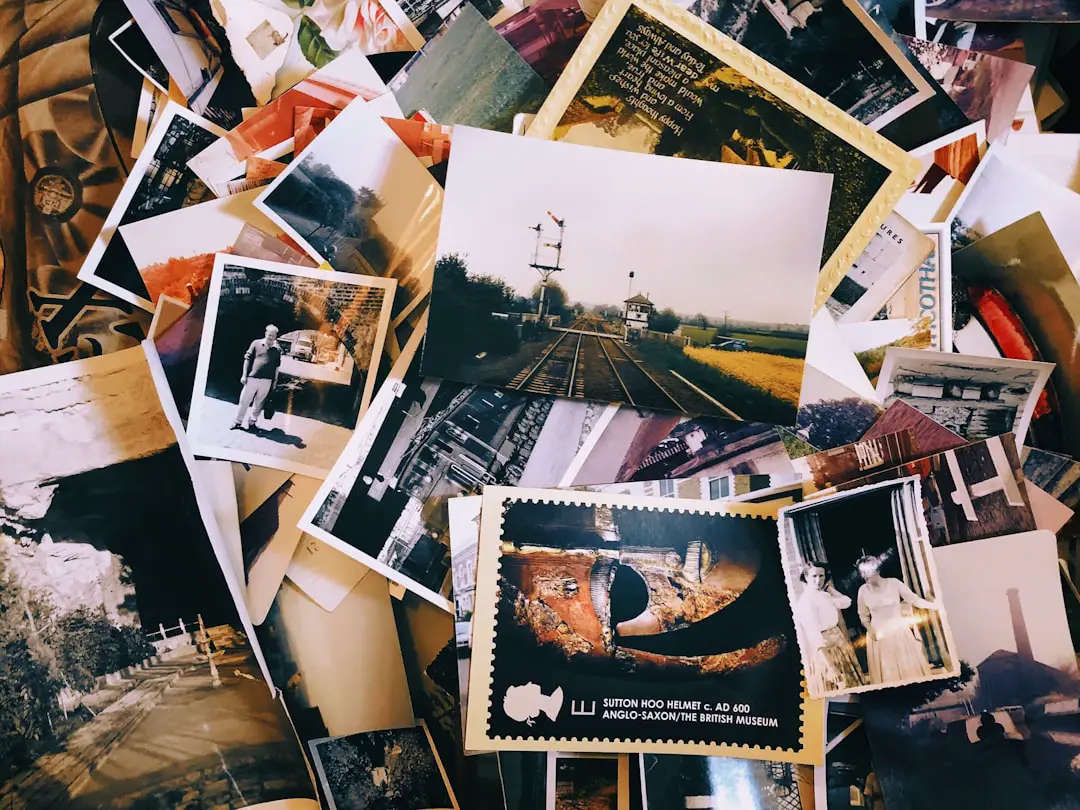
GrooveBook is best suited to people who want to preserve everyday photos with minimal effort. It is especially useful for users who feel overwhelmed by the number of images on their phones and want a simple habit that turns digital clutter into physical memories.
It makes the most sense for:
- Parents who want regular prints of children growing up.
- Grandparents who enjoy receiving physical photos.
- Casual photographers who value memories more than perfect print quality.
- Busy users who do not want to design full photo books.
- Gift givers looking for inexpensive, personal keepsakes.
For these users, the charm of GrooveBook is practical. It encourages people to print photos regularly, which is something many otherwise never do.
Who Should Skip It
GrooveBook is not the best choice for everyone. If you are particular about image quality, page design, paper weight, or long-term durability, you may find it disappointing. Serious photographers, wedding clients, business users, and anyone making a formal keepsake should probably choose a more robust printing option.
You should also skip it if you dislike subscriptions. A monthly service only works if you consistently use it. Otherwise, it becomes another recurring charge that quietly adds up. If you prefer printing photos only when needed, individual print orders or occasional custom books may be more sensible.
How GrooveBook Compares With Modern Alternatives
Today’s photo printing market is much more competitive than it was when GrooveBook first became popular. Many services now offer mobile uploads, automated layouts, same-day pickup, cloud integrations, and frequent discounts. Some provide better print quality, while others offer more flexible design tools.
Compared with these alternatives, GrooveBook’s main strength remains convenience. Its weakness is that it may feel dated if you want customization or premium materials. Modern photo book platforms often let you choose cover types, page finishes, layouts, captions, themes, and sizes. GrooveBook’s original format was much more fixed.
That said, not everyone wants more options. For some people, too many choices are exactly why their photos never get printed. In that sense, GrooveBook’s limited format can still be an advantage.
Privacy and Photo Storage Considerations
Any service that handles personal photos deserves careful consideration. Before using GrooveBook or any photo printing app, review the company’s privacy policy, upload process, storage practices, and account settings. Family photos, children’s images, travel pictures, and location-based memories can be sensitive.
A trustworthy approach is to upload only the photos you genuinely want printed, avoid unnecessary access permissions when possible, and delete old uploads if the service allows it. Convenience should not come at the expense of basic digital privacy habits.

Pros and Cons
Pros:
- Very simple concept and easy to understand.
- Good for printing everyday phone photos.
- Historically affordable compared with many photo products.
- Useful for building a regular photo printing habit.
- Physical prints are easy to share with family members.
Cons:
- Original service availability may be limited or discontinued.
- Print quality is basic rather than premium.
- Limited customization compared with modern photo books.
- Subscription value depends on regular use.
- Not ideal for formal albums or professional projects.
Final Verdict: Is GrooveBook Still Worth It?
GrooveBook is still worth appreciating for what it did well: it made photo printing easy, affordable, and habitual. For a certain type of user, that is still valuable. If you can access a current GrooveBook-style service at a fair price and you only need casual prints, it can be a practical way to rescue memories from your phone.
However, it is no longer the obvious recommendation it once was. Availability concerns, stronger competitors, better print options, and changing subscription models make the decision more complicated. Before committing, compare the current cost with alternatives and be honest about your expectations.
The bottom line: GrooveBook is best for simple, inexpensive memory keeping — not premium photo preservation. If that matches your needs, it can still be worthwhile. If you want a polished, durable, highly customized photo book, you should look for a more modern and higher-quality printing option.