The Battlefield meta in 2026 is no longer just about which rifle has the fastest time to kill or which vehicle dominates the scoreboard. It is a layered ecosystem shaped by map flow, squad coordination, gadget utility, vehicle pressure, objective timing, and the constant push and pull between chaos and control. To understand it, players need to think less like lone fraggers and more like battlefield managers.
TLDR: The 2026 Battlefield meta rewards flexible squads, smart positioning, and coordinated use of vehicles, gadgets, and specialists or classes. Infantry still matters, but the strongest teams win by controlling space, denying enemy movement, and timing pushes around objectives. The best loadout is not always the most popular weapon, but the one that supports your squad’s role in the match. Adaptability is the real meta.

What “Meta” Means in Battlefield
In many shooters, the word meta usually means “the best gun” or “the strongest character.” In Battlefield, that definition is too narrow. Because the series is built around large maps, combined arms warfare, destructible environments, and objective based modes, the meta is about how teams create and maintain advantage.
A weapon can be powerful, but it will not help much if your team has no spawn pressure, no anti vehicle coverage, and no medics keeping pushes alive. A tank can dominate open ground, but it can be useless if infantry fails to clear rooftops and flanking routes. The Battlefield meta is therefore best understood as a balance between individual efficiency and team utility.
The Rise of Role Fluidity
By 2026, the strongest Battlefield players tend to avoid rigid thinking. Instead of locking into one playstyle for an entire match, they adjust according to the map, objective, enemy composition, and vehicle presence. This is where role fluidity becomes essential.
- Assault focused players create openings, pressure objectives, and punish exposed enemies.
- Support players sustain pushes with ammunition, suppression, repairs, or defensive tools.
- Medics extend fights by reviving and healing at the right moment rather than chasing risky saves.
- Engineers or anti vehicle roles prevent armor and aircraft from dictating the match.
- Recon players provide information, spawn options, long range denial, and flank security.
The key is not simply choosing a role, but knowing when to switch. If enemy armor is farming your team, another assault rifle will not solve the problem. If your squad keeps getting wiped before reaching the flag, more revives and smoke may matter more than raw damage. The modern meta values players who read the battlefield and respond quickly.
Map Control Beats Kill Chasing
One of the biggest mistakes casual players make is confusing a high kill count with match impact. Kills matter, but in Battlefield, position is power. A squad holding a crucial building, hill, bridge, tunnel, or spawn route can influence an entire sector without topping the scoreboard.
The 2026 meta heavily favors teams that understand map lanes. Most large Battlefield maps have natural routes: vehicle lanes, infantry corridors, rooftop lines, water crossings, underground paths, and high ground positions. Winning teams identify these routes early and either control them or deny them.
Smoke, spawn beacons, suppression, mines, repair tools, and spotting gadgets all contribute to this invisible battle for movement. A well placed smoke screen can be more valuable than a triple kill because it allows twenty teammates to cross an exposed street. A hidden spawn point behind the enemy line can flip an objective faster than a sniper on a hill ever could.
Image not found in postmetaWeapons: Consistency Over Hype
Every Battlefield cycle has “meta weapons,” and 2026 is no different. Players will always gravitate toward rifles, carbines, SMGs, LMGs, and marksman weapons that offer the best balance of recoil, damage, bullet velocity, magazine size, and handling. However, the strongest weapon on paper is not always the best weapon in practice.
The most reliable weapons in the current meta tend to share a few traits:
- Predictable recoil that allows controlled bursts at medium range.
- Flexible optics for switching between close quarters and open sightlines.
- Good reload economy, especially in objective fights with multiple enemies.
- Attachment versatility for adapting to different maps and modes.
- Strong hip fire or handling for sudden close range encounters.
In practical terms, the best loadout is the one that matches the engagement distances you expect. On tight urban maps, SMGs and shotguns can define room clearing. On mixed maps, assault rifles and carbines usually dominate because they cover the widest range of fights. On open maps, marksman rifles and LMGs become more valuable, especially when paired with squad spotting and controlled positioning.
Vehicles Still Shape the Match
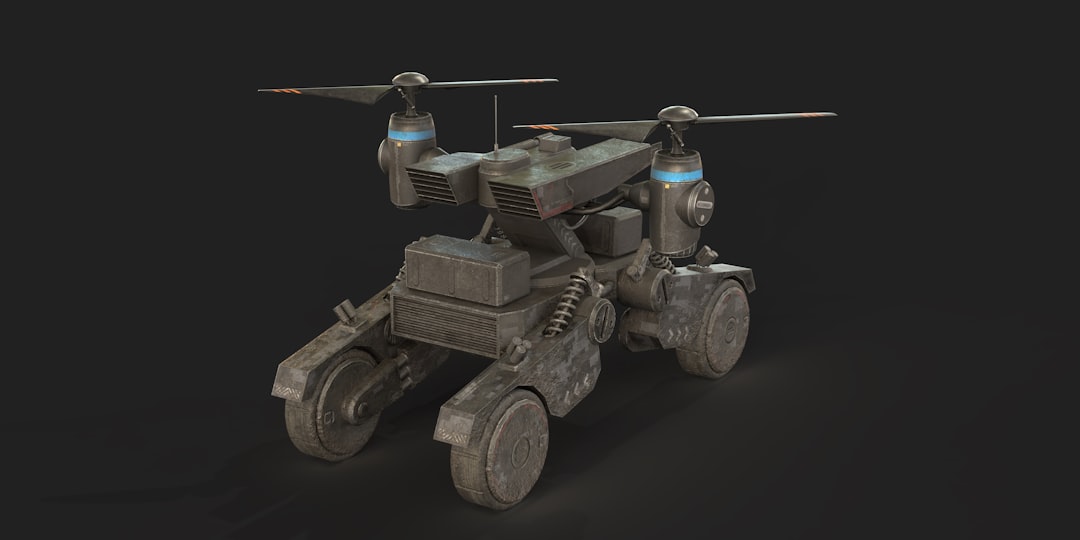
Vehicles remain one of Battlefield’s defining features, and in 2026 they are still a major pillar of the meta. Tanks, transports, helicopters, jets, drones, and armored cars do more than collect kills; they determine where infantry can safely move.
A skilled vehicle crew can lock down roads, punish exposed pushes, destroy cover, and force the enemy to adjust their entire composition. However, vehicles are also more vulnerable when teams coordinate. One engineer may annoy a tank, but three players using rockets, mines, anti vehicle grenades, drones, or targeting tools can remove it quickly.
The best vehicle players understand restraint. Charging blindly into an objective might produce a few kills, but it often gifts the enemy a free vehicle kill. Strong crews use distance, cover, repairs, and infantry support. Likewise, smart infantry players do not ignore armor. If a tank is controlling the central lane, dealing with it becomes the objective before the objective.
Information Is a Weapon
Spotting, pings, drones, sensors, minimap awareness, and audio cues are central to the 2026 meta. Information reduces randomness. It tells your squad where to push, when to hold, and when to disengage. In chaotic 64, 96, or 128 player environments, the team with better information usually reacts faster.
This is why recon and support focused tools can be incredibly powerful even when they do not generate obvious highlights. A scan revealing enemies stacked behind a wall can set up a grenade barrage, airstrike, flank, or coordinated breach. A ping on an incoming transport can give engineers just enough time to prepare. A simple squad callout can prevent a wipe.
Battlefield rewards awareness as much as aim. Players who constantly check the map, listen for engines, track objective pressure, and watch spawn patterns will often outperform mechanically stronger opponents who tunnel vision on gunfights.
Squad Play Is the Real Advantage
The most consistent meta strategy in Battlefield remains surprisingly simple: play with your squad. A coordinated four or five person squad can revive, resupply, repair, spot, flank, and hold angles far better than a group of random players acting independently.
Good squads usually have three habits. First, they spawn on each other intelligently instead of feeding into lost fights. Second, they combine gadgets, such as smoke plus revive chains or spotting plus explosives. Third, they choose objectives deliberately. Instead of running toward the nearest icon, they ask which capture point will create the most pressure.
This is especially important in modes like Conquest, Breakthrough, and Rush style variants. In Conquest, back capping and spawn disruption can split the enemy team. In Breakthrough, timing is everything: attackers need synchronized pushes, while defenders need layered fallback positions. In Rush, utility and destruction can decide whether an M COM or similar target survives.
The Meta Mindset for 2026
Understanding the Battlefield meta in 2026 means accepting that no single weapon, class, specialist, gadget, or vehicle wins by itself. The game is too dynamic for that. Balance updates, new maps, seasonal content, and player discoveries will always shift the details, but the core principles remain stable.
To improve, focus on these fundamentals:
- Play the objective, but do it with timing and support.
- Bring utility that solves the problem your team is facing.
- Control movement by holding lanes, using smoke, and denying flanks.
- Respect vehicles as both threats and opportunities.
- Communicate information, even with simple pings.
- Adapt often instead of blaming the map, balance, or teammates.
The most interesting thing about Battlefield is that its meta is never just mechanical; it is strategic, social, and situational. The player who understands the flow of a match can have more impact than the player with perfect aim. In 2026, the battlefield belongs to those who can read chaos, make decisions quickly, and help their squad turn small advantages into match winning momentum.