
In the ever-changing landscape of digital marketing, data is the cornerstone of decision-making. One tool that has proven invaluable to marketers looking to enhance their SEO strategies is Majestic. As a leading backlink analysis tool, Majestic provides deep insights into the strength and quality of inbound links, making it an indispensable resource for SEO professionals and digital marketers alike.
TLDR (Too long, didn’t read)
Majestic is a powerful SEO tool focused primarily on backlink analysis. Marketers use it to uncover high-quality inbound links, inspect competitor link profiles, and build stronger SEO strategies. Its Trust Flow and Citation Flow metrics help assess link quality and site authority, providing actionable insights. Majestic’s historical data and visualization tools make it a favorite for long-term SEO planning and reporting.
What Makes Majestic Stand Out?
Majestic specializes in backlink data, an area that often gets overshadowed by more generalized tools like SEMrush or Ahrefs. However, backlinks remain one of the most critical factors in search engine rankings. Majestic’s laser focus on this area allows it to deliver a depth of insight unmatched by broader tools.
Unlike other SEO tools that blend multiple features into one platform, Majestic builds its reputation on presenting comprehensive backlink profiles, site metrics, and link histories. This singular focus gives marketers an edge when executing link-building campaigns or evaluating competitor strategies.
Key Features That Drive Adoption by Marketers
There are several core features that make Majestic a must-have tool in the marketer’s toolkit:
- Trust Flow and Citation Flow: These proprietary metrics help gauge the quality and quantity of incoming links. Trust Flow measures the quality of backlinks, while Citation Flow indicates the quantity, helping marketers balance their link-building strategies for maximum impact.
- Backlink History: The ability to view how a website’s backlink profile has evolved over time is invaluable. This helps evaluate the effectiveness of past campaigns and anticipate future ranking trends.
- Site Explorer: Allows users to dig deep into any domain to analyze its backlink profile, anchor text usage, referring domains, and more.
- Topical Trust Flow: Goes beyond link volume to provide context and categorize links by topic areas, which is useful for niche-targeted SEO.
- Bulk Backlink Checker: Enables marketers to analyze multiple domains at once, streamlining large-scale campaigns and competitor reviews.
Benefits for Marketers
The reasons why marketers gravitate toward Majestic can be highlighted through the tangible benefits it offers for campaigns and strategy development.
1. Enhances Competitor Research
Marketers can use Majestic to analyze competitors’ backlink profiles, revealing where their links are coming from, how authoritative those links are, and which strategies may be replicable or improvable. This helps businesses understand what it takes to outrank competitors in similar niches.
2. Improves Link-Building Efforts
By identifying high-value referring domains, Majestic helps marketing professionals generate a curated list of potential outreach targets. The platform’s Trust Flow feature ensures emphasis is placed on reputable sites, which leads to better link quality and avoids penalties from search engines.
3. Supports SEO Audits
When conducting SEO audits for a site, Majestic provides the backlink data necessary to determine whether harmful or spammy links are present. It also illustrates whether a site’s backlink structure supports its authority or weakens it, guiding future optimization efforts.
4. Informs Content Strategy
Seeing which content attracts the most links gives marketers insights into what topics perform well in their industry. This intelligence is valuable for content planning, allowing for data-driven blogging, messaging, and resource creation.
5. Tracks Long-Term Link Trends
Using the tool’s historical backlink analysis, marketers can see which campaigns provided the best ROI over time. This long-haul view helps in making decisions that are sustainable rather than trend-based.
Visualization Tools Make Data Digestible
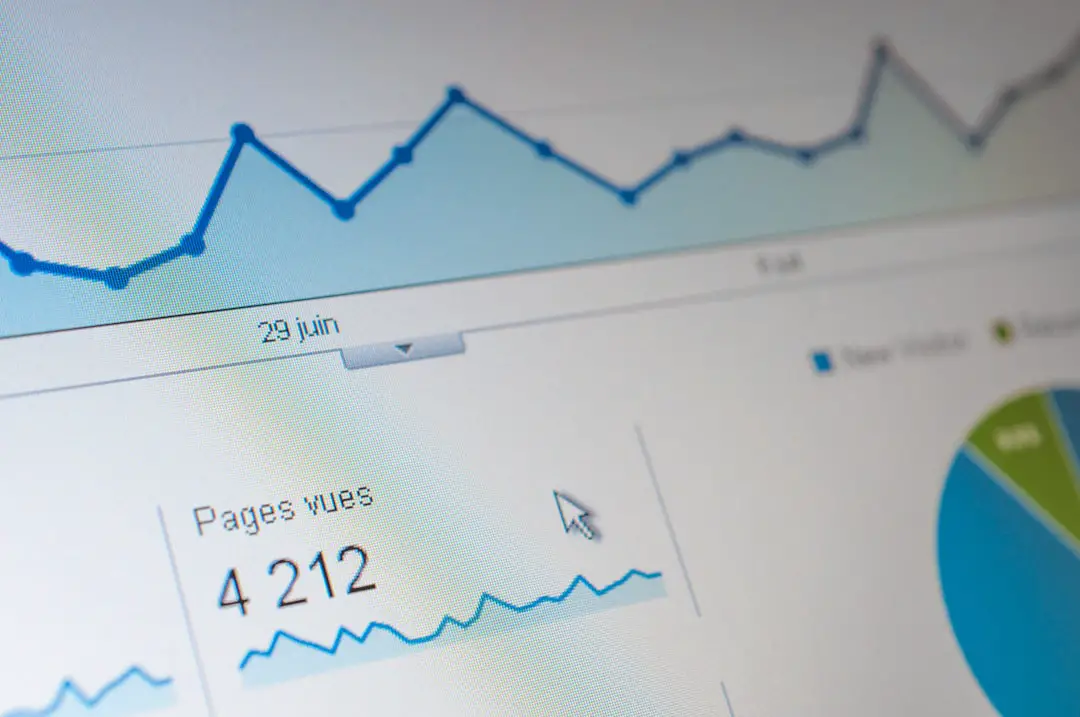
One of the standout features of Majestic is its commitment to visualizing backlink data.
- Link Graphs: These show the network of websites linking to your site or a competitor’s, revealing potential link hubs and influencers.
- Trust Maps: Demonstrate how trust is distributed across a domain’s link profile.
- Anchor Text Pie Charts: Provide visual cues about how a site’s backlinks are distributed in terms of anchor text usage—which is vital for keyword optimization.
Majestic’s Proprietary Metrics Explained
While many tools offer backlink data, Majestic stands apart due to its own unique ranking metrics designed specifically to assess link quality and relevance.
Trust Flow
Trust Flow indicates the quality of a domain’s backlinks. A high Trust Flow means the site is receiving links from trustworthy and authoritative sources. When evaluating potential backlinks or domains to collaborate with, this metric is crucial.
Citation Flow
Citation Flow assesses how many links a site has. It’s more about volume than quality. However, when used in conjunction with Trust Flow, Citation Flow provides a ratio that can indicate overall domain strength and authenticity.
Topical Trust Flow
This metric categorizes backlinks into topical organizations, showing a site’s authority across specific niches or industries. It’s especially helpful for agencies targeting thematic relevance rather than just raw backlink numbers.
Limitations of Majestic
Despite its strengths, Majestic does have a few limitations that marketers consider before full adoption:
- Lacks On-Page SEO tools: Majestic’s focus on backlinks means it doesn’t offer comprehensive on-page SEO suggestions or audits.
- No Keyword Research: Unlike some competitors, Majestic does not include keyword research capabilities, requiring reliance on other tools for full SEO coverage.
- Complex Learning Curve: It’s not always beginner-friendly, and deciphering its graphs and metrics takes time for those unfamiliar with backlink terminology.
Why Marketers Still Choose Majestic
For those who specialize in link-building and want the most robust dataset available, Majestic is often the first choice. It boasts one of the largest link indexes in the industry, making it a rich source of marketing intelligence. Even where it lacks in keyword or content optimization tools, its backlink database and filtering capabilities more than make up for it in specific use cases.
Frequently Asked Questions (FAQ)
1. What is Majestic SEO used for?
Majestic is primarily used for backlink analysis. It helps marketers understand the quality, quantity, and context of incoming links to a site, aiding in SEO audits, link-building campaigns, and competitor research.
2. What are Trust Flow and Citation Flow?
Trust Flow is a metric that measures the trustworthiness and quality of backlinks, while Citation Flow measures the quantity of backlinks. Used together, these metrics give a holistic view of a domain’s link profile.
3. How does Majestic differ from other SEO tools?
Majestic focuses exclusively on backlink data, unlike other all-in-one tools like Ahrefs or SEMrush. This specialization allows it to offer deeper insights and metrics specific to link-building and analysis.
4. Can beginners use Majestic effectively?
While Majestic offers powerful features, there is a learning curve. Beginners may find the numerous graphs and datasets overwhelming at first, but tutorials and documentation are available to bridge that gap.
5. Is Majestic’s link data accurate?
Yes, Majestic is recognized for having one of the most accurate and extensive backlink databases. It continuously crawls the web to keep its data up-to-date.