
As search experiences evolve beyond traditional blue links, brands are increasingly discovered through AI-driven answers generated by tools like ChatGPT, Google AI Overviews, and Perplexity. These systems summarize, cite, and infer information about companies in ways that can significantly influence visibility, authority, and trust. For organizations focused on long-term search engine optimization, understanding where and how a brand is mentioned inside AI-generated responses has become a strategic necessity.
TLDR: Tracking brand mentions in ChatGPT, Google AI, and Perplexity is now a critical part of modern SEO. These AI systems shape how users discover brands, often without direct clicks to websites. By monitoring mentions, citations, sentiment, and source visibility, brands can improve authority, content strategy, and future rankings. The process combines manual testing, automated tools, and content optimization aligned with AI retrieval logic.
Why AI Brand Mentions Matter for SEO
Traditional SEO focused heavily on rankings, backlinks, and click-through rates. AI-powered search shifts that focus toward answer inclusion and brand recall. When an AI assistant mentions a brand by name, it implicitly endorses that brand as relevant or authoritative for a given topic.
In platforms such as ChatGPT or Perplexity, users may never visit a website at all. Instead, the AI delivers a synthesized response based on its training data, retrieval sources, or indexed content. If a brand is consistently referenced in these answers, it gains mindshare, even without direct traffic. Conversely, being absent from AI-generated answers can lead to declining visibility, even if traditional rankings remain strong.
Key SEO impacts of AI brand mentions include:
- Improved brand authority and perceived expertise
- Increased likelihood of being cited as a trusted source
- Higher chances of inclusion in future AI responses
- Indirect influence on conversion and brand recall
How ChatGPT, Google AI, and Perplexity Generate Mentions
Each AI platform handles brand mentions differently, which affects tracking methodologies.
ChatGPT references brands based on a mixture of training data, licensed sources, and, in some versions, real-time browsing. Mentions tend to favor well-documented brands with strong topical authority and consistent online references.
Google AI Overviews rely heavily on Google’s index, structured data, and authoritative pages. Brand mentions often mirror signals like E-E-A-T, backlink quality, and entity recognition in Google’s Knowledge Graph.
Perplexity uses a citation-first approach, often linking directly to sources. Brand mentions here are closely tied to publish-worthy content, PR placements, and clear topical relevance.
Types of Brand Mentions to Track
Effective tracking begins with understanding what qualifies as a meaningful mention. Not all mentions carry equal SEO value.
- Direct mentions: The brand name is explicitly referenced in an AI-generated answer.
- Cited mentions: The brand appears as a source link or citation.
- Implied mentions: Products, founders, or slogans are referenced without naming the brand.
- Comparative mentions: The brand is listed alongside competitors in recommendations or comparisons.
- Sentiment-based mentions: Positive, neutral, or negative tone associated with the brand.
Tracking all these variations provides a clearer understanding of how an AI model perceives and presents a brand.
Manual Methods for Tracking AI Brand Mentions
Despite automation, manual analysis remains a foundational step.
Prompt testing involves running consistent queries across platforms. SEO teams often design prompt sets around commercial, informational, and navigational intent. For example, questions like “best project management software for agencies” or “top cybersecurity firms for small businesses” reveal which brands AI systems prioritize.
Response logging is essential. Recording answers over time helps identify trends, fluctuations, and emerging competitors.
Best practices for manual tracking include:
- Using identical prompts across tools and sessions
- Testing from different locations and devices when possible
- Capturing screenshots or exporting responses for documentation
Automated and Semi-Automated Tracking Tools
As AI mentions scale, manual tracking becomes impractical. Emerging tools now specialize in AI visibility monitoring.
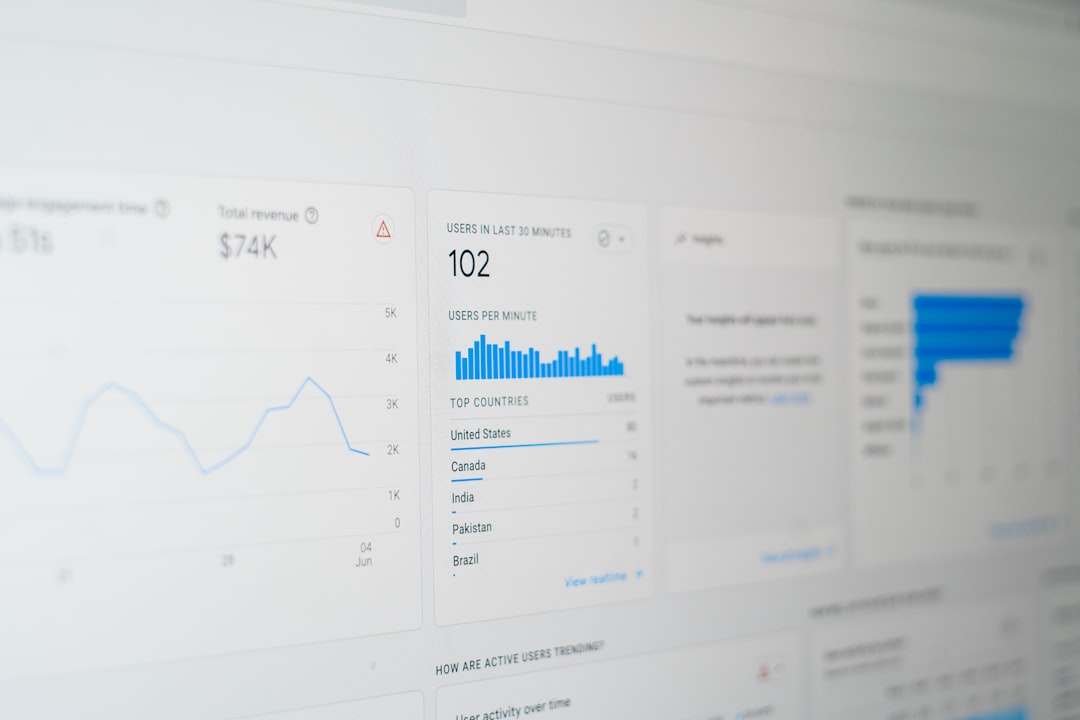
AI search monitoring platforms can automatically query large language models and log brand mentions, sentiment, and frequency. Some platforms also track citation sources and provide competitive benchmarking.
Traditional brand monitoring tools like media listening or mention trackers can still play a role. When combined with alerts for AI-cited sources, they help identify which content is being picked up by AI systems.
Search Console and analytics data remain indirectly useful. Declines in organic clicks paired with stable impressions may indicate users are receiving answers directly from AI, making brand mentions even more critical.
Optimizing Content to Increase AI Brand Mentions
Tracking is only valuable if it informs optimization. AI models consistently favor content that is clear, authoritative, and entity-rich.
Content optimization strategies include:
- Establishing strong entity signals through consistent brand naming
- Adding concise definitions and summaries that AI can extract
- Publishing original data, statistics, and expert commentary
- Using structured data to clarify brand attributes
Brands that clearly explain who they are, what they do, and why they are credible are more likely to be included in AI-generated answers.
Measuring Impact on SEO Growth
Although AI mentions do not always translate into direct traffic, they influence several measurable KPIs.
- Brand search volume: Increased recognition often leads to more branded queries.
- Assisted conversions: Users exposed to AI mentions may convert later through other channels.
- Backlink growth: AI-cited content is frequently referenced by publishers.
- Topical authority: Greater inclusion reinforces relevance across related queries.
Over time, consistent AI visibility strengthens SEO performance, even in highly competitive niches.
Challenges and Limitations
Tracking AI brand mentions is not without obstacles. AI responses are probabilistic, not deterministic, meaning results can vary between sessions. Additionally, limited transparency around training data makes causation difficult to prove.
Another challenge is over-optimization. Attempting to manipulate AI mentions through keyword stuffing or low-quality content often backfires, as these systems increasingly prioritize quality and trust.
Future Outlook for AI Brand Monitoring
As AI interfaces continue to replace traditional search touchpoints, brand mention tracking will become as standard as rank tracking once was. More advanced analytics, standardized benchmarks, and deeper integrations with SEO platforms are expected.
Brands that invest early in understanding and measuring AI visibility will be better positioned to capture demand in an AI-first discovery environment.
Frequently Asked Questions
-
Can AI brand mentions replace traditional SEO metrics?
No. They complement traditional metrics like rankings and traffic but do not fully replace them. -
How often should AI brand mentions be tracked?
For active SEO campaigns, monthly tracking is a minimum, with quarterly trend analysis. -
Do negative AI mentions impact SEO?
Yes. Negative sentiment can influence user perception and should be addressed through content and PR strategies. -
Is it possible to control what AI says about a brand?
Direct control is not possible, but consistent, high-quality content and authoritative mentions strongly influence outcomes. -
Which platform is most important to monitor?
It depends on the audience, but monitoring ChatGPT, Google AI Overviews, and Perplexity together provides the most complete picture.