
Google Discover has evolved into one of the most influential traffic drivers outside of traditional search, yet it remains widely misunderstood. Unlike classic search results, Discover surfaces content proactively, based on user interests, behavior, and engagement patterns. With Google’s latest updates to its Discover guidelines, marketers and SEO professionals are facing a more defined — and more demanding — framework for visibility. Success now depends on a sharper focus on content quality, user trust signals, and technical readiness.
TL;DR: Google’s latest Discover updates reinforce the importance of high-quality, people-first content, strong trust signals, compelling visuals, and technical compliance. Clickbait, misleading claims, and shallow trend-chasing content are increasingly penalized. To succeed in Discover, marketers must align editorial strategy with E-E-A-T principles, optimize imagery, and monitor performance through engagement metrics rather than rankings. Discover visibility is no longer opportunistic—it requires disciplined strategic execution.
Understanding Google Discover’s Strategic Importance
Google Discover is not a query-driven product. Instead, it delivers personalized content feeds based on user behavior, machine learning signals, browsing history, and interaction patterns. This fundamental difference means traditional keyword targeting, while still helpful, is no longer the primary lever for success.
The latest guideline update clarifies Google’s expectations around:
- Original reporting and unique value
- Authoritativeness and transparency
- High-quality page experience
- Avoidance of sensationalism and misleading claims
- Strong, high-resolution imagery
Discover’s algorithm heavily weighs user engagement signals such as click-through rate, dwell time, and repeat consumption. Content that disappoints users quickly disappears from distribution cycles. This makes Discover both a high-reward and high-risk channel.

People-First Content Is No Longer Optional
One of the clearest signals from the updated guidance is Google’s continued emphasis on people-first content. This aligns Discover with the broader Helpful Content framework.
Marketers must now reassess whether their Discover-focused pieces:
- Provide original insight or reporting
- Demonstrate first-hand experience
- Deliver practical value instead of recycled summaries
- Avoid exaggeration and engagement bait
Content designed purely to exploit trending topics without adding substance is increasingly suppressed. For example, repackaging trending headlines with minimal commentary no longer performs reliably. Instead, analysis, expert interpretation, and contextual depth significantly improve Discover eligibility.
Strategic takeaway: Treat every Discover-targeted article as a standalone authority piece. If it would not earn trust independently of trending momentum, it is unlikely to sustain Discover visibility.
E-E-A-T Signals Are Central to Discover Visibility
The updated guidance reinforces Experience, Expertise, Authoritativeness, and Trust (E-E-A-T) as foundational. Discover relies heavily on these qualitative trust indicators, particularly for topics that influence finances, health, or safety.
Important credibility factors include:
- Clearly identifiable authors with bios
- Transparent sourcing and citations
- Up-to-date publication dates
- Secure browsing (HTTPS)
- Clear editorial standards
Publishers operating in competitive niches—finance, health, technology, and news—are especially impacted. Anonymous content or lightly researched opinion pieces struggle to gain sustained distribution.
This shift signals that Discover is no longer a secondary traffic source. It operates under standards increasingly similar to high-quality news ecosystems.
The Visual Component: More Than Aesthetic
Google Discover is a highly visual feed. The latest updates emphasize the necessity of large, high-resolution images (at least 1200px wide) and proper use of the max-image-preview:large setting.
Image quality now impacts:
- Click-through rate performance
- Algorithmic preference in feed rendering
- User perception of content credibility
Overly generic stock images, misleading thumbnails, or irrelevant graphics undermine trust and reduce engagement. Custom imagery, charts, and contextual photography outperform generic visuals.

Best practices for Discover imagery:
- Use original or licensed high-resolution images
- Avoid excessive text overlays
- Ensure images accurately reflect the content message
- Test visual styles for engagement improvements
In Discover, visuals function as the headline’s partner. Weak imagery often results in underperformance regardless of content quality.
Headline Discipline: Avoiding Clickbait Penalties
The newest guidelines explicitly discourage sensationalism and exaggerated claims. While curiosity-driven headlines still matter, misleading framing increasingly triggers reduced distribution.
Headlines that can harm Discover performance include:
- Overpromising results (“This One Trick Changes Everything”)
- Vague, bait-style phrasing without context
- Artificial urgency unsupported by content substance
Instead, effective Discover headlines:
- Clearly communicate value
- Reflect the article’s actual insights
- Incorporate specific outcomes or findings
Trust consistency between headline, image, and article body is critical. A mismatch may initially generate clicks but damages long-term Discover eligibility.
Freshness vs. Evergreen: Finding the Balance
While Discover is often associated with trending news, the platform also surfaces high-quality evergreen content aligned with user interests. The guideline updates clarify that freshness matters—but substance matters more.
Successful Discover strategies often combine:
- Timely industry commentary
- Data-backed analysis
- Evergreen educational resources
- Periodic content refreshing
Older articles can resurface in Discover when updated with new data, improved visuals, or expanded expertise. This presents a significant opportunity for content lifecycle management.
Operational recommendation: Regularly audit top-performing articles and update them with current statistics, stronger expert commentary, and refined structure.
Technical Foundations Still Matter
Though Discover is algorithmically personalized, technical SEO fundamentals continue to play a supporting role. The updated documentation reiterates the importance of:
- Mobile-first performance optimization
- Strong Core Web Vitals metrics
- Clean indexing status
- Structured data where appropriate
Discover traffic is overwhelmingly mobile. Pages that load slowly or deliver unstable layout shifts under mobile conditions suffer reduced engagement and lower feed exposure.
Technical inefficiencies directly erode performance signals, which Discover heavily depends upon.
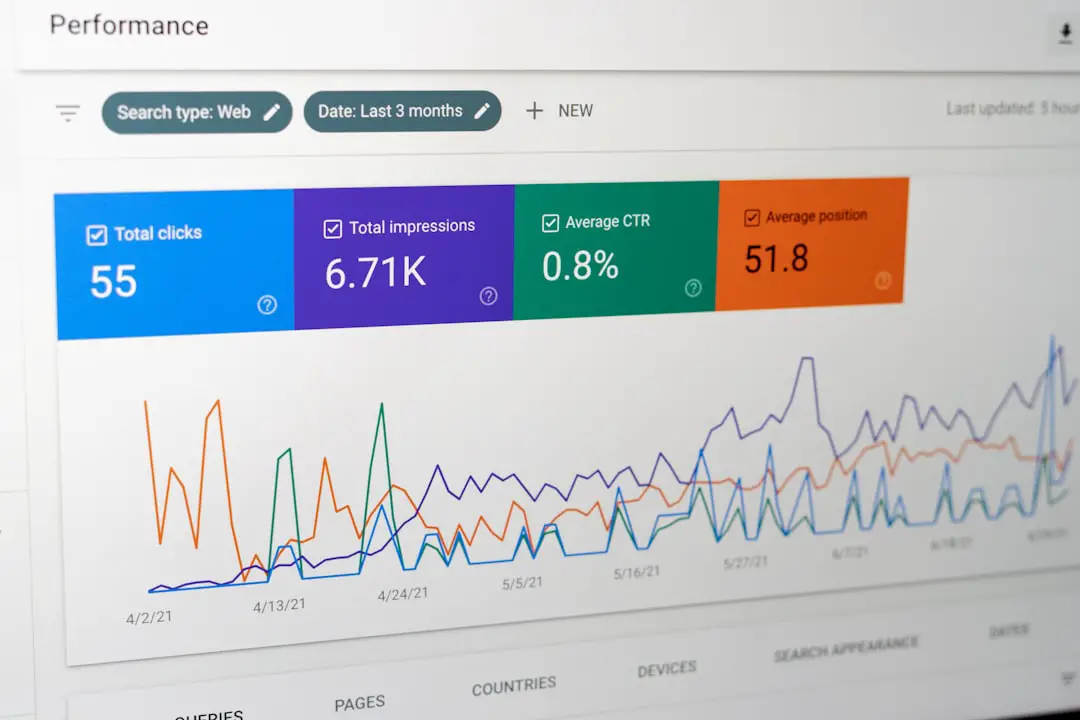
Measuring Discover Performance Correctly
Google Search Console provides a dedicated Discover report, allowing publishers to analyze:
- Total impressions
- Clicks
- Average click-through rate
- Content-level performance trends
However, success should not be evaluated on single spikes. Discover traffic is often volatile and cyclical. Sustainable performance depends on maintaining trust and engagement consistency.
Marketers should monitor:
- Scroll depth and dwell time
- Bounce behavior
- Repeat visitation patterns
- User retention through related content pathways
If traffic spikes are accompanied by weak engagement, future Discover distribution may decline. High-quality engagement reinforces algorithmic confidence.
Implications for Editorial Strategy in 2026
The latest Discover updates signal a broader transformation: content ecosystems are being ranked not only by relevance but by reliability and satisfaction. Opportunistic publishing and traffic-chasing strategies are losing effectiveness.
For marketing and SEO teams, this means:
- Closer collaboration between editorial and SEO departments
- Greater investment in expert contributors
- Systematic content updating processes
- Visual content budgeting as a strategic priority
Organizations that treat Discover as an extension of brand authority—not merely as a traffic channel—are most likely to benefit long term.
Final Considerations
Google Discover’s latest guideline update removes much of the ambiguity surrounding what works. The path forward is rigorous but clear: produce trustworthy, expert-driven content; pair it with high-quality visuals; ensure technical excellence; and prioritize genuine user value over short-term traffic tactics.
Marketers and SEO professionals who internalize these principles will find Discover to be not only a volatile spike generator but a scalable, sustainable audience growth channel. Those who rely on manipulation or trend exploitation will experience diminishing returns.
The competitive advantage now lies in credibility, consistency, and user satisfaction.