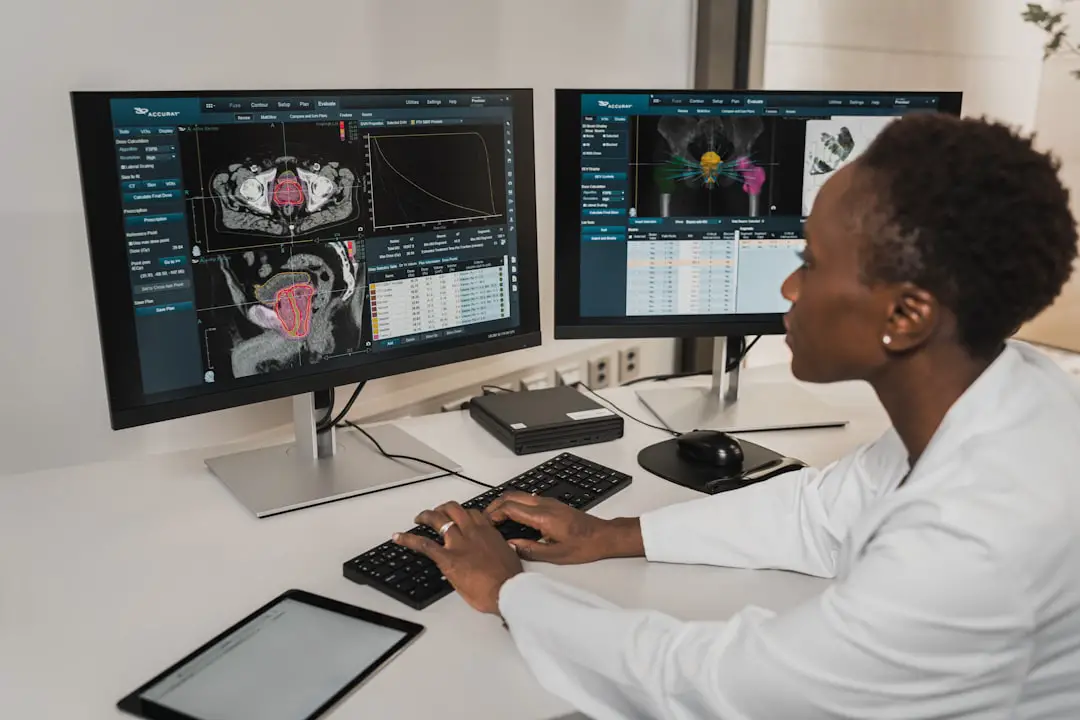
Have you ever been fascinated with how the brain works or intrigued by the irregular squiggles displayed on a hospital monitor labeled “EEG”? If so, a career as an EEG technician might be your ideal pathway into the medical field. As an Electroencephalographic (EEG) Technician, you play a vital role in diagnosing brain disorders by recording and analyzing electrical activity in a patient’s brain. This behind-the-scenes but incredibly critical healthcare profession blends patient interaction with cutting-edge technology and offers a promising and meaningful career trajectory.
TLDR
EEG Technicians monitor and analyze brain waves using specialized equipment to help diagnose conditions like epilepsy, sleep disorders, and brain injuries. The role requires a combination of technical skills, human empathy, and attention to detail. Training typically involves a specialized associate’s program or certification. It’s a challenging but fulfilling healthcare career with strong growth prospects.
What Does an EEG Technician Do?
EEG Technicians, also known as neurodiagnostic technologists, use electroencephalogram (EEG) machines to map brain wave patterns. These brain waves can reveal a patient’s neurological activity—and more importantly—abnormalities that may indicate conditions such as epilepsy, brain tumors, sleep disorders, or head injuries.
The job responsibilities of an EEG Technician typically include:
- Preparing patients for EEG tests, which includes explaining the procedure and attaching electrodes to the scalp.
- Operating EEG machines and monitoring recordings during tests.
- Reviewing and annotating EEG results before sending them to neurologists for final interpretation.
- Maintaining EEG equipment and ensuring all patient records are accurately updated.
This role often places technicians in varied environments such as hospitals, neurology clinics, sleep centers, or even research laboratories. While it may not involve direct diagnosis, the technician’s skill in capturing accurate brain data is essential for neurologists to make an informed clinical judgment.
Skills and Qualities for Success
Being an EEG Technician requires a unique blend of technical proficiency and interpersonal skills. Since you’ll be dealing with both sophisticated medical equipment and real human patients—often going through distressing health issues—your ability to communicate and comfort is just as important as your clinical skill set.
Here are some key skills that aspiring EEG Technicians should develop:
- Attention to detail – EEG readings can be subtle and complex, requiring keen eyes and focus.
- Manual dexterity – Proper placement of electrodes is essential for accurate readings.
- Problem-solving ability – You must be capable of identifying technical malfunctions and interpreting ambiguous signals.
- Empathy and communication – Patients are often anxious, and a calming presence goes a long way.
- Analytical thinking – You’ll need to recognize abnormal patterns and annotate them properly for the physician’s review.
How to Become an EEG Technician
The traditional path to becoming an EEG Tech involves formal education followed by on-the-job training or certification. While requirements can vary by state and employer, here is a general roadmap:
1. Earn a High School Diploma or GED
Subjects like biology, physics, and math are particularly helpful at this stage since they lay the groundwork for further training.
2. Enroll in an Accredited Neurodiagnostic Program
Most aspiring EEG Technicians complete a program through a community college or a technical school. These programs typically last 12 to 24 months and include coursework in anatomy, physiology, and neurodiagnostic technology.
3. Gain Clinical Experience
During or after your formal education, you’ll need to complete a clinical internship. This hands-on training is crucial as it allows students to apply theoretical knowledge in a real medical setting under the supervision of experienced professionals.
4. Obtain Certification
While not always required, obtaining certification can significantly boost your job prospects and credibility. The most recognized certification is offered by the American Board of Registration of Electroencephalographic and Evoked Potential Technologists (ABRET). To qualify, candidates typically need a combination of education, clinical experience, and passing scores on the necessary exams.
Image not found in postmeta
5. Continuing Education and Specialization
After becoming certified, many EEG Technicians pursue specializations in related fields such as:
- Polysomnography (sleep studies)
- Intraoperative neuromonitoring
- Evoked potentials testing
Continuing education ensures that you remain current with the latest technologies and techniques and is often required to maintain certification.
Working Environment and Schedule
EEG Technicians typically work in clean, climate-controlled environments like hospitals, private clinics, or diagnostic labs. The role may also involve working in operating rooms or patient rooms for continuous EEG monitoring. Depending on the employer, you could have a fairly routine daytime schedule or participate in overnight studies or on-call shifts.
Common work settings include:
- Neurology departments in hospitals
- Dedicated EEG or sleep labs
- Outpatient diagnostic centers
- Research facilities or universities
Career Outlook and Salary Expectations
The demand for EEG Technicians is on the rise due to the increasing awareness and diagnosis of neurological disorders. According to the U.S. Bureau of Labor Statistics, employment in health technologist professions is expected to grow much faster than average over the next decade.
Salary can vary based on experience, location, and specialization. On average, EEG Technicians earn between $45,000 to $70,000 annually, with higher earnings for those in specialized roles or with more experience and certifications.
Challenges and Rewards
Like any healthcare role, being an EEG Technician comes with its set of challenges. These might include handling uncooperative patients, interpreting subtle or inconclusive data, or working long or unusual hours. However, the rewards are just as significant. You are directly contributing to the diagnosis and treatment of life-impacting neurological conditions.
Many EEG Technicians say the role is uniquely satisfying because it blends science, technology, and compassion and places them on the front lines of cutting-edge neurodiagnostics.
Is This the Right Career for You?
If you enjoy technology, have a strong interest in neuroscience, and want a healthcare career that doesn’t require years of medical school, becoming an EEG Technician might be an excellent fit. It’s a career that calls for both mind and heart—a rare and powerful combination.
In conclusion, choosing to become an EEG Technician opens a window into the human brain’s inner workings and offers a stable, rewarding, and intellectually enriching career. Whether you’re fresh out of school or looking for a career change, this field offers the chance to make a real difference—one brain wave at a time.