Embedded SIM technology, better known as eSIM, is transforming the way people connect to mobile networks. Instead of inserting a physical SIM card into your phone, eSIM allows you to activate a cellular plan digitally. While this sounds simple and universal, many users still wonder: can you use eSIM on any phone? The answer depends on hardware support, carrier compatibility, and regional limitations.
TLDR: Not every phone supports eSIM. Only devices with built-in eSIM hardware and carrier approval can use digital SIM profiles. Most modern flagship smartphones support eSIM, but many older and budget models do not. Always verify your specific device model and carrier compatibility before purchasing an eSIM plan.
What Is eSIM and How Does It Work?
An eSIM (embedded SIM) is a digital version of the traditional plastic SIM card. Rather than inserting a physical card, users download a carrier profile directly to their device. The eSIM chip is permanently built into the phone’s motherboard.
The process typically works like this:
- You purchase a plan from a supported carrier.
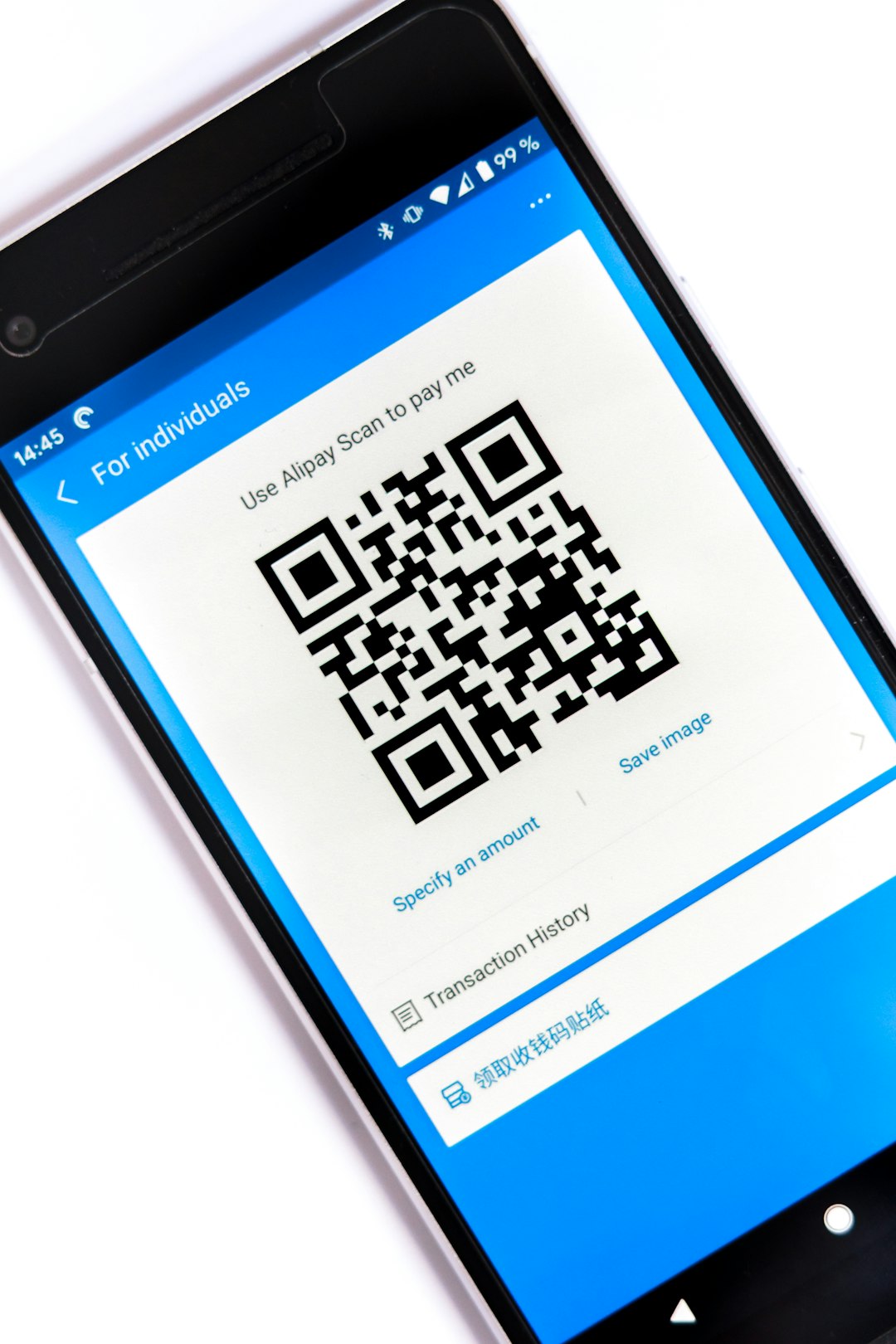
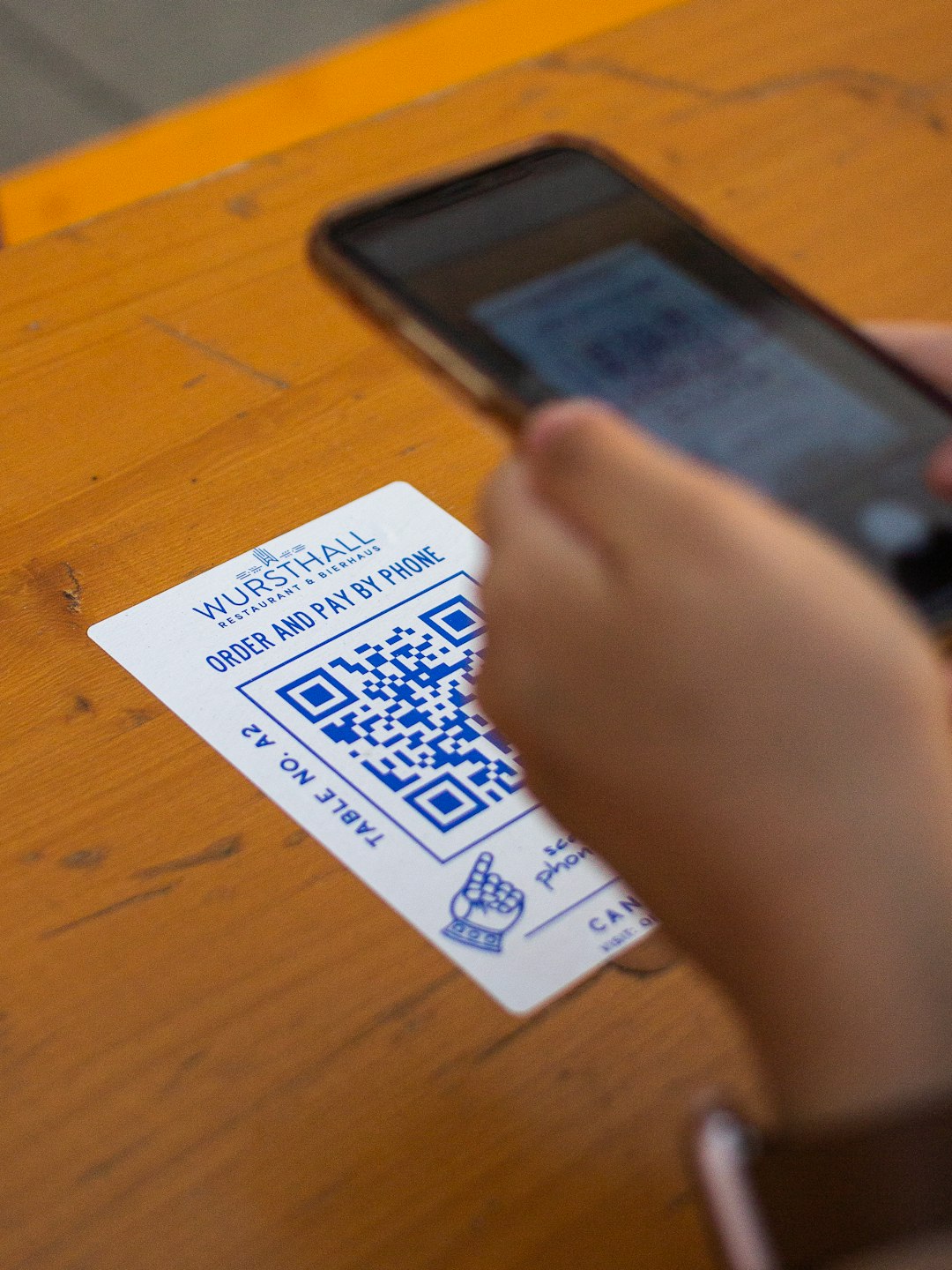
- The carrier provides a QR code or activation details.
- You scan the code through your device settings.
- The phone downloads and activates the mobile profile.
Once activated, the eSIM functions just like a physical SIM, enabling calls, messages, and mobile data. Many devices allow you to store multiple eSIM profiles and switch between them as needed.
Can Any Phone Use eSIM?
No, not all phones support eSIM. A device must contain the required embedded SIM hardware. If the phone was not designed with an eSIM chip, software updates cannot add that functionality.
There are three main requirements for eSIM compatibility:
- Hardware support — The device must include an eSIM chip.
- Software support — The operating system must support eSIM management.
- Carrier support — Your mobile provider must allow eSIM activation for that specific phone model.
If any one of these conditions is missing, eSIM will not function.
Which Phones Commonly Support eSIM?
Most flagship smartphones released in recent years support eSIM technology. However, availability may vary depending on region and model variant.
Apple iPhones
Apple introduced eSIM functionality starting with:
- iPhone XS and XS Max
- iPhone XR
- iPhone 11 series
- iPhone 12 series
- iPhone 13 series
- iPhone 14 series (US models are eSIM-only)
- iPhone 15 and newer
In the United States, recent iPhone models no longer include a physical SIM tray, relying entirely on eSIM. However, some international versions still offer dual SIM support with one physical and one eSIM.
Samsung Galaxy Devices
Many premium Samsung phones also support eSIM, including:
- Galaxy S20 series and newer (varies by region)
- Galaxy S21, S22, S23, S24 series
- Galaxy Z Fold and Z Flip models (recent generations)
- Selected Galaxy Note models
Google Pixel Devices
Google has integrated eSIM support since:
- Pixel 3 and newer models
- Pixel 4, 5, 6, 7, 8 series
Other manufacturers such as Huawei, Motorola, Oppo, and Xiaomi provide eSIM support on select higher-end models, but availability is less consistent.
Image not found in postmetaPhones That Usually Do Not Support eSIM
Certain categories of devices are unlikely to include eSIM:
- Older smartphones released before 2018
- Entry-level or budget devices
- Carrier-locked models with restricted firmware
- Basic feature phones
Even if a phone was released recently, that does not guarantee support. Manufacturers sometimes exclude eSIM from lower pricing tiers to reduce costs.
Regional Differences Matter
eSIM compatibility can vary significantly by region. A phone model sold in Europe may support dual SIM (physical + eSIM), while a version sold in another country might only support a physical SIM.
Additionally:
- Some carriers enable eSIM only for certain devices.
- Regulations in specific countries may limit eSIM functionality.
- Imported devices may not activate eSIM profiles from local carriers.
Always check your device’s exact model number in the settings before confirming compatibility.
How to Check If Your Phone Supports eSIM
There are reliable ways to verify compatibility:
1. Check Device Settings
- On iPhone: Go to Settings > Cellular or Mobile Data. If you see “Add eSIM” or “Add Cellular Plan,” your device likely supports it.
- On Android: Go to Settings > Network & Internet > SIMs. Look for an option to add eSIM.
2. Dial the eSIM Code (Some Devices)
Dial *#06# and check if an EID number appears. The presence of an EID (Embedded Identity Document) generally indicates eSIM capability.
3. Check Manufacturer Specifications
Visit the official website of your phone manufacturer and search for your specific model.
4. Ask Your Carrier
Carriers maintain official compatibility lists and can confirm eligibility.
Carrier Compatibility Is Equally Important
Even if your phone supports eSIM, your carrier must also support it. Not all providers have fully rolled out eSIM services.
Large international carriers generally support eSIM, especially in North America, Europe, and parts of Asia-Pacific. However, smaller regional carriers may still rely exclusively on physical SIM cards.
Additionally, prepaid and travel eSIM providers typically support only unlocked devices. A locked phone may prevent activation with third-party profiles.
Dual SIM vs eSIM: What’s the Difference?
Many modern smartphones offer dual SIM functionality, but this does not always mean dual physical SIM cards.
Common configurations include:
- One physical SIM + one eSIM
- Multiple eSIM profiles + one active physical SIM
- eSIM-only (no physical SIM slot)
This flexibility is particularly useful for:
- Frequent travelers
- Separating work and personal numbers
- Using local data plans abroad

Advantages of eSIM Technology
Understanding compatibility is important, but it is equally valuable to understand why eSIM adoption is growing rapidly.
Key benefits include:
- Convenience: No need to insert or swap physical cards.
- Security: An eSIM cannot be physically removed if the device is lost or stolen.
- Space saving design: Allows manufacturers to optimize internal hardware.
- Faster carrier switching: Activate a new plan in minutes.
For international travelers, the ability to download a local data plan instantly is one of the most significant advantages.
Limitations and Considerations
Despite its benefits, eSIM has certain limitations:
- Switching devices may require contacting your carrier.
- Some carriers restrict transferring profiles.
- Not all countries have widespread support.
- Troubleshooting can be more complex than swapping a physical SIM.
Additionally, users who frequently switch phones may find physical SIM cards more convenient, depending on carrier policies.
Is eSIM the Future?
Industry trends strongly indicate that eSIM adoption will continue expanding. Major manufacturers increasingly release devices with enhanced eSIM capabilities, and some markets have already transitioned to eSIM-only flagship phones.
However, physical SIM cards are unlikely to disappear immediately. In many developing regions, traditional SIM infrastructure remains dominant.
For the foreseeable future, most users will experience a hybrid environment where both physical SIM and eSIM coexist.
Final Verdict: Can You Use eSIM on Any Phone?
The clear answer is no. eSIM requires specific hardware inside the phone, software support from the manufacturer, and activation approval from your carrier. While most modern flagship smartphones support eSIM, many budget and older models do not.
Before purchasing an eSIM plan, always:
- Verify your exact device model.
- Confirm eSIM functionality in your settings.
- Check carrier compatibility.
- Ensure your phone is unlocked if using a third-party provider.
Taking these steps will prevent activation issues and ensure a smooth connectivity experience. As mobile technology continues evolving, eSIM is positioned to become standard — but compatibility remains device-specific for now.