
Automated website publishing is no longer a distant promise reserved for large media companies or enterprise marketing teams. With the rise of AI WordPress plugins, website owners, publishers, bloggers, agencies, and ecommerce teams can now plan, create, optimize, and distribute content at a speed that was difficult to imagine only a few years ago. These tools are changing WordPress from a content management system into a more intelligent publishing environment where automation supports strategy, editorial consistency, and operational efficiency.
TLDR: AI WordPress plugins are reshaping automated website publishing by helping users generate content ideas, draft articles, optimize pages, manage SEO, and personalize user experiences. They can reduce repetitive work, improve publishing speed, and support better decision-making when used responsibly. However, human oversight remains essential for accuracy, brand voice, ethics, and long-term trust. The future of WordPress publishing will likely combine AI automation with strong editorial judgment.
The Shift from Manual Publishing to Intelligent Workflows
Traditional WordPress publishing has always required a sequence of manual tasks: researching keywords, drafting copy, creating meta descriptions, formatting articles, selecting images, adding internal links, scheduling posts, and monitoring performance. For small teams, this process can be slow and inconsistent. For larger teams, it can become expensive and difficult to coordinate.
AI plugins are changing this workflow by embedding automation directly into the WordPress dashboard. Instead of moving between separate tools for keyword research, writing assistance, image selection, and SEO checks, publishers can increasingly manage these tasks in one place. This integration is important because it reduces friction. When AI assistance is available inside the editor, it becomes part of the publishing process rather than a separate activity.
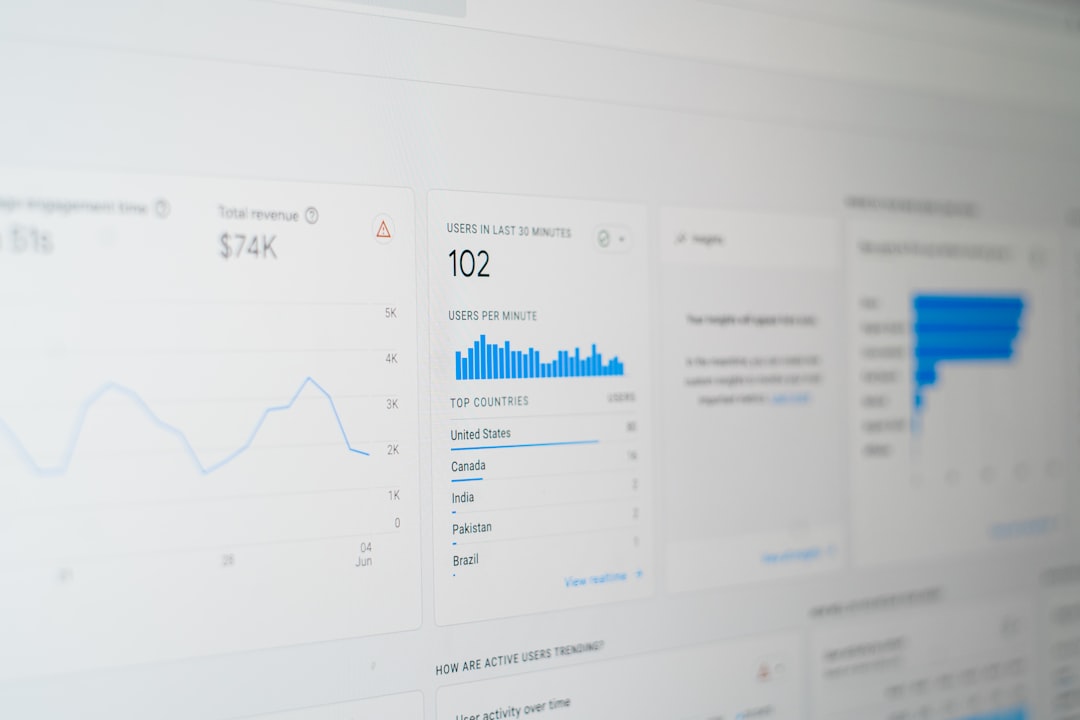
The most significant change is not simply that AI can write text. The deeper transformation is that AI can support the entire content lifecycle. It can suggest topics based on search intent, draft outlines, identify gaps in existing content, recommend internal links, generate summaries, and adapt content for different audiences. In practical terms, AI plugins are helping WordPress users move from page-by-page publishing to more systematic content operations.
Content Creation Is Becoming Faster, but Not Fully Autonomous
One of the clearest benefits of AI WordPress plugins is speed. A writer or site owner can generate an article outline in seconds, produce a first draft in minutes, and create multiple headline variations without starting from a blank page. This can be especially valuable for businesses that need regular content but do not have a large editorial team.
However, it is important to be realistic. AI-generated content is not automatically accurate, original in perspective, or aligned with a brand’s standards. Serious publishers increasingly treat AI as a drafting and research assistant rather than a replacement for editorial judgment. The strongest results usually come from a hybrid process: AI handles repetitive or structural work, while humans refine arguments, verify facts, add expertise, and ensure that the content serves a real audience.
For this reason, responsible AI publishing should include several safeguards:
- Fact-checking: Claims, statistics, legal statements, medical information, and financial guidance should be reviewed carefully.
- Editorial review: Human editors should adjust tone, structure, clarity, and relevance.
- Original insight: AI drafts should be enhanced with real experience, expert commentary, examples, or proprietary data.
- Brand consistency: Generated content should match the organization’s voice, values, and audience expectations.
- Compliance checks: Regulated industries must ensure that published content meets applicable rules and disclosure requirements.
In other words, AI can accelerate publishing, but trust still depends on human accountability.
SEO Automation Is Becoming More Sophisticated
Search engine optimization has always been one of the main reasons website owners use WordPress plugins. AI is making this area more advanced. Modern AI SEO plugins can analyze a draft while it is being written, suggest keyword improvements, recommend headings, evaluate readability, create schema markup, generate meta titles and descriptions, and identify opportunities for internal linking.
This matters because SEO is no longer just about inserting keywords. Search engines increasingly reward content that demonstrates relevance, usefulness, structure, and topical depth. AI plugins can help publishers compare their content against competing pages, find missing subtopics, and improve semantic coverage. These capabilities can make optimization more strategic and less mechanical.
At the same time, over-automation can create risks. If every article follows the same AI-generated SEO template, content may become repetitive and generic. Search engines are also improving their ability to identify low-value content created mainly to manipulate rankings. The long-term advantage will belong to publishers who use AI to improve quality rather than mass-produce shallow pages.
The best SEO use case for AI is not to “game” search engines, but to better understand what users need and how to present information clearly.
Automated Publishing Schedules and Content Calendars
AI WordPress plugins are also changing how publishers plan and schedule content. Instead of manually brainstorming topics and assigning deadlines, teams can use AI tools to build content calendars based on seasonality, keyword opportunities, product launches, customer questions, or industry trends.
For example, an ecommerce website might use AI to generate blog topics around upcoming holidays, product categories, and common buyer concerns. A local service business might create a publishing schedule focused on regional search queries. A media site might use AI to identify topic clusters and plan supporting articles around a major editorial theme.

This type of automation can improve consistency. Many websites fail not because they publish poor content, but because they publish irregularly and without a coherent plan. AI-assisted content calendars make it easier to maintain momentum. They also help teams see how each article supports broader goals, such as building authority around a topic, nurturing leads, or supporting customer education.
Personalization and Dynamic User Experiences
AI WordPress plugins are not limited to back-end editorial tasks. They are also affecting how visitors experience websites. Personalization plugins can recommend articles, products, downloads, or calls to action based on user behavior. Chatbot plugins can answer common questions, guide visitors to relevant resources, or help qualify leads. Translation and localization tools can adapt content for global audiences more efficiently.
These capabilities point toward a future where WordPress websites become more responsive to individual users. Instead of showing the same content journey to every visitor, AI can help websites respond to intent. A returning customer may see different recommendations than a first-time reader. A visitor from a specific region may see localized information. Someone reading beginner-level content may be guided toward educational resources, while an advanced user may be shown technical documentation or case studies.
When implemented carefully, personalization can improve user experience and business outcomes. But it also raises serious questions about privacy, transparency, and data handling. Website owners must understand what data their plugins collect, where it is processed, and how users are informed. Trustworthy AI publishing is not only about content quality; it is also about responsible data practices.
Image Generation, Media Support, and Accessibility
Publishing is not only text. Articles often need images, captions, alt text, social media previews, and layout decisions. AI WordPress plugins are beginning to automate many of these tasks as well. Some tools can generate image suggestions based on article content. Others can write alt text, compress media, create featured image concepts, or recommend where visuals should appear within a page.
This can make websites more engaging and accessible, especially for teams without dedicated designers or media editors. Automated alt text, for example, can support accessibility when reviewed for accuracy. AI-assisted image placement can make long articles easier to read. Social preview generation can help content look more professional when shared across platforms.
Still, media automation requires caution. Generated images may not always represent subjects accurately, and some visuals can look polished while being misleading. Publishers should also be mindful of copyright, licensing, and disclosure issues. As AI-generated media becomes more common, responsible sourcing and transparent policies will become increasingly important.
Analytics and Continuous Improvement
Another major development is the connection between AI plugins and website analytics. Automated publishing becomes much more powerful when it is informed by performance data. AI can help interpret traffic trends, identify underperforming articles, suggest updates for older posts, and recommend new content based on what audiences are already engaging with.
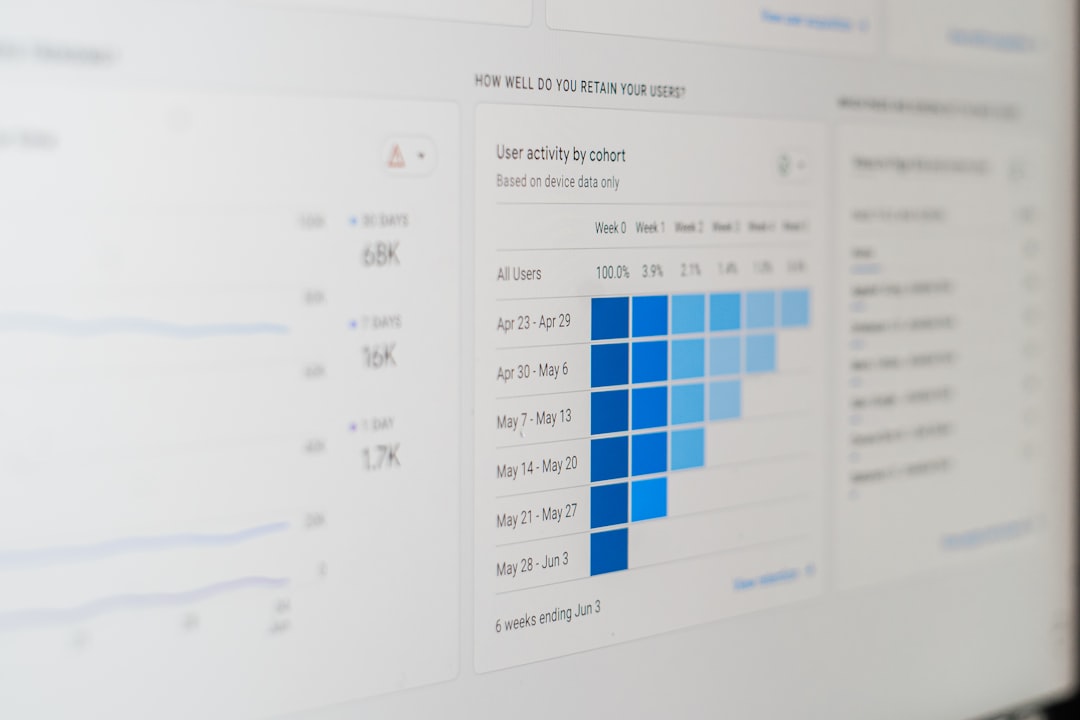
This creates a feedback loop. Instead of publishing content and waiting months to evaluate results manually, site owners can receive ongoing recommendations. An AI plugin might flag an article that is losing search visibility, suggest new sections to add, or identify internal links that could improve user navigation. It may also highlight pages with strong engagement and recommend related topics to expand a successful content cluster.
This movement toward continuous optimization is one of the most meaningful changes in automated website publishing. Websites are becoming less static. Content can be monitored, refreshed, and improved as audience behavior and search conditions change.
The Risks of Low-Quality Automation
The same tools that create opportunities also create risks. Because AI can generate large amounts of content quickly, some publishers may be tempted to prioritize volume over value. This can lead to websites filled with repetitive articles, weak advice, factual errors, or content that exists only to attract search traffic.
Low-quality automation can damage credibility. Readers may leave if articles feel generic or unreliable. Search performance may decline if content lacks originality and usefulness. Brands may suffer if AI-generated statements are inaccurate or inconsistent with company values.
Common risks include:
- Factual inaccuracies: AI systems can produce confident but incorrect information.
- Duplicate themes: Automated topic generation can create many similar articles with little added value.
- Weak expertise: Content may appear informative but lack real experience or authority.
- Brand dilution: Overuse of generic language can make a website sound like every competitor.
- Privacy concerns: Plugins that process user data must be reviewed for security and compliance.
A serious publishing strategy should treat AI governance as part of website management. This includes setting editorial standards, documenting when AI is used, training staff, reviewing plugin permissions, and maintaining clear approval processes.
How Publishers Should Approach AI WordPress Plugins
Organizations adopting AI plugins should begin with specific goals rather than vague expectations. A plugin should solve a defined problem: reducing drafting time, improving SEO consistency, creating better content briefs, updating old articles, generating product descriptions, or supporting customer service. Without clear goals, automation can add complexity rather than value.
A practical adoption process may include the following steps:
- Audit current workflows: Identify repetitive tasks, bottlenecks, and quality issues in the publishing process.
- Select tools carefully: Review plugin reputation, update history, data policies, support quality, and compatibility.
- Start with limited use cases: Test AI on outlines, summaries, metadata, or internal drafts before automating public content.
- Create review standards: Define who approves AI-assisted content and what must be checked before publication.
- Measure results: Track publishing speed, traffic, engagement, conversions, and editorial quality over time.
This measured approach helps publishers gain efficiency while protecting credibility. The goal is not to automate everything. The goal is to automate the right tasks in a controlled and transparent way.
The Future of Automated WordPress Publishing
The next generation of AI WordPress plugins will likely become more integrated, context-aware, and collaborative. Instead of simply generating text on request, AI may function as an editorial operations layer inside WordPress. It could understand a site’s existing content library, brand voice, audience segments, conversion goals, and performance history. It may then recommend not only what to publish, but why, when, and how.
We can expect stronger tools for content refreshing, automated internal linking, multilingual publishing, structured data, accessibility, and personalization. Agencies may use AI to manage content operations across many client sites. Small businesses may rely on AI to maintain professional publishing schedules without hiring large teams. Newsletters, landing pages, product updates, and support content may all become more connected through automated workflows.
Even as these systems improve, the human role will remain central. Strategy, ethics, expertise, and judgment cannot be delegated entirely to software. Readers want useful information from trustworthy sources. Search engines and customers alike reward clarity, authority, and reliability. AI can support those goals, but it cannot replace the responsibility of the publisher.
Conclusion
AI WordPress plugins are changing the future of automated website publishing by making content workflows faster, smarter, and more data-informed. They are helping publishers generate ideas, draft content, optimize for search, personalize user experiences, manage media, and improve existing pages. Used responsibly, these tools can lower operational barriers and help websites compete more effectively in crowded digital markets.
However, the future will not belong to websites that simply publish the most AI-generated content. It will belong to publishers who combine automation with expertise, editorial discipline, transparency, and respect for users. AI is becoming a powerful publishing partner, but trust remains the most important asset a website can build.