
In 2015, when smartphones were steadily shifting toward glass sandwiches and minimalist designs, HTC stood proudly apart with the release of the HTC One M9. As part of an iconic lineup that once set the standard for Android flagships, the One M9 embodied a high point in HTC’s industrial design language. Crafted almost entirely from metal, it merged raw aesthetic appeal with a purposeful build that felt solid yet elegant. Looking back today, the HTC One M9 remains a reference point for enthusiasts who yearn for premium smartphones that not only look great but feel meticulously engineered.
TL;DR: The HTC One M9 marked the culmination of HTC’s revered all-metal smartphone design. It featured premium build quality, thoughtful ergonomics, and bold design choices that stood out in a sea of increasingly homogeneous phones. Though it struggled in some technical areas like camera performance, its physical craftsmanship left a lasting legacy. Today, it represents a unique chapter in mobile technology’s evolution toward style with substance.
Craftsmanship That Set a Standard
Nowadays, aluminum-bodied phones are rare in the flagship category, but back in the early 2010s, metal was the epitome of premium smartphone design. HTC helped pioneer that movement with its One M series, and the One M9 was perhaps its most mature realization.
The phone was sculpted from a single block of aluminum in a process HTC called “Dual-tone Metal Unibody.” Its back featured a subtle curve that fit perfectly in the palm, while the sides were polished to a mirror finish that added a touch of luxury. Compared to the blockier One M8, the M9 refined the edges and introduced tighter machining tolerances, leading to a phone that felt impeccable to hold and use.
Unlike many modern offerings, where glass backs dominate and phone cases hide design choices altogether, the One M9 demanded to be seen and felt. Its presence conveyed durability and craftsmanship, two things often missing in today’s mass-produced handsets.
Key Design Features
Few phones at the time, or even now, could boast the HTC One M9’s design pedigree. Here’s what made the M9 special:
- Metal Unibody: The 100% metal build added both heft and elegance. This unbroken shell of aluminum offered a cool, solid touch that felt instantly premium.
- Dual-Tone Finish: Some models featured a beautiful combination of silver and gold—something daring and unique compared to the monotonous hues many brands stuck to.
- Sculpted Back: The ergonomically curved rear made the device easier to grip, offsetting what otherwise could have been a slippery surface.
- Front-Facing Speakers: HTC’s BoomSound stereo speakers were embedded seamlessly into the bezels with smart horizontal grills, serving both function and form.
Though it kept the same general silhouette as the M8, the M9’s attention to detail, including chamfered edges and polished metal accents, gave the impression of genuine refinement from an already sophisticated formula.
Balancing Form and Function
Design isn’t just about beauty—it’s about delivering a tactile experience that aligns with user expectations. The HTC One M9 did this in several ways. First, its sturdy construction gave users a sense of trust; the device felt like it could weather time better than more fragile competitors.
This wasn’t merely cosmetic. The unibody design meant fewer areas for moisture and dust to creep in, bolstering long-term durability. Button placements were also subtly repositioned from the One M8, with the power button moving to the side for easier one-handed access—showing HTC’s responsiveness to usability concerns.
Moreover, the inclusion of expandable storage and support for high-resolution audio playback gave the M9 functional advantages over its peers, again reinforcing HTC’s goal of delivering substance behind the style.
When Design Outpaced Performance
Even though the One M9’s hardware design received almost universal praise, the internal specifications and user experience revealed some shortcomings. At the core was the Qualcomm Snapdragon 810, an ambitious chip that unfortunately became known for overheating issues. Though HTC implemented thermal throttling measures and redesigned the software to manage heat, these challenges marred what could have been a seamless flagship experience.
Camera performance was another disappointment. HTC bet on a 20MP single-lens shooter at a time when dual-lens setups were gaining traction. The photos it produced were often soft and lacked the vivid detail offered by competitors like Samsung or LG. This misstep was especially unfortunate, considering past accolades HTC received for its UltraPixel experiments in earlier models.
Nevertheless, fans of the phone still appreciated the lucid interface, solid battery life, and robust audio experience. Many users held onto the HTC One M9 not because it was the fastest or most feature-packed, but because it felt like a truly premium possession with character and individuality.
Legacy: A Milestone in Mobile Design
The HTC One M9 wasn’t just another release—it was the twilight of HTC’s golden era in smartphone design. Shortly after, the company would pivot to more conventional builds and ultimately fall far behind in market share. But the M9 stands as a lasting example of what happens when a brand commits to materials, ergonomics, and aesthetic risk-taking.
It’s not uncommon to hear tech reviewers and enthusiasts today still reference the M9 when discussing favorite designs of all time. There’s a kind of nostalgia associated with a phone that felt expensive, even several years after its initial release. This is a testament to the virtues of great industrial design: when executed well, it transcends technical limitations and becomes memorable in its own right.
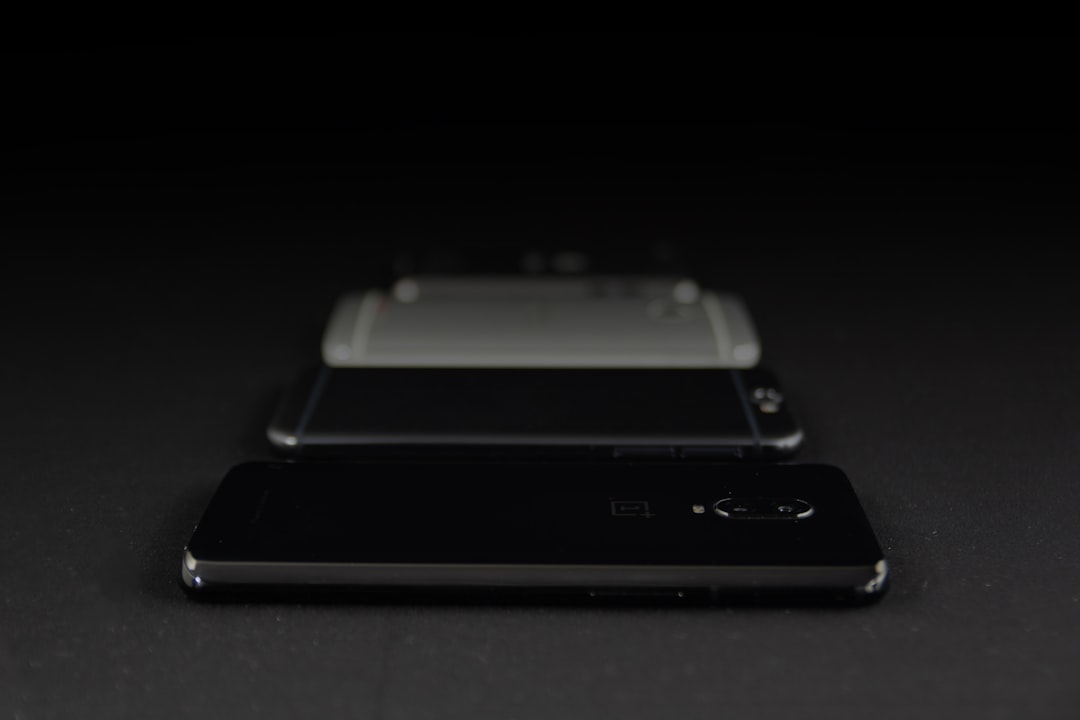
Indeed, in today’s market where even flagship phones blur into each other with similar bezels, notch placements, and color schemes, the One M9 remains distinctive. Its combination of brushed metal, bold lines, and confident styling offers a stark contrast to design-by-committee devices aiming for universal appeal over personality.
What We Can Learn From the HTC One M9
Design maturity is something hard-earned. HTC spent years refining its hardware signature, and the One M9 was a crescendo in that progression. While the internal performance may not have lived up to expectations, the external craftsmanship remains one of the most admired examples in smartphone history.
There’s a lesson to be learned here for current manufacturers:
- Material choice matters: Premium alloys, textures, and finishes elevate the user experience far beyond thin bezels and camera specs.
- Consistency builds loyalty: HTC’s design language across the M7, M8, and M9 created a recognizable brand class many users identified with.
- Risk yields identity: While other phones were safe in their glass panel monotony, the M9’s metal frame forged a distinctive character that is still admired to this day.
Final Thoughts
As smartphone design trends continue to evolve, the HTC One M9 serves as a poignant reminder of a time when phones were not only tools but also statements of aesthetic intent. Its solid metal frame, sculpted symmetry, and unapologetic identity make it one of the most influential Android designs of the last decade.
Though it didn’t achieve commercial domination, its legacy endures. In retrospectives and discussions, the HTC One M9 remains a shining example of craftsmanship at its finest—a bold vision in metal before smartphones began trading soul for trend.