
Choosing between a standard Kindle and a Kindle Paperwhite can feel surprisingly complex for anyone entering the world of e-readers. Both devices are designed to deliver a distraction-free reading experience, long battery life, and access to Amazon’s vast bookstore. However, subtle yet important differences in display quality, durability, lighting, and price can significantly affect overall satisfaction. Understanding these distinctions helps buyers select a device that matches their reading habits and budget.
TLDR: The Kindle and Kindle Paperwhite share core features like access to Amazon’s ecosystem and long battery life, but they differ in display quality, waterproofing, lighting warmth, storage options, and price. The Paperwhite offers a sharper screen, adjustable warm light, and water resistance, making it ideal for frequent readers. The standard Kindle is more budget-friendly and works well for casual, primarily indoor reading. Choosing the right one depends on how, where, and how often someone reads.
1. Price and Overall Value
The most noticeable difference is the price point. The standard Kindle is Amazon’s most affordable e-reader, making it accessible for beginners or occasional readers. The Kindle Paperwhite costs more but offers upgraded features that justify the price for serious readers.
- Kindle: Budget-friendly and ideal as a first e-reader.
- Paperwhite: Mid-range pricing with premium features.
2. Display Resolution and Sharpness
One of the most important differences lies in the display clarity. The standard Kindle typically features a lower resolution compared to the Paperwhite. While still comfortable for long reading sessions, text on the Paperwhite appears noticeably sharper and crisper.
- Kindle: 300 ppi on newer models, but slightly smaller display.
- Paperwhite: 300 ppi with enhanced clarity and contrast.
The difference becomes more apparent when reading small fonts or books with detailed formatting.
3. Screen Size
Screen size can influence comfort, especially during extended reading sessions. The standard Kindle generally features a slightly smaller screen compared to the Paperwhite.
- Kindle: Typically 6 inches.
- Paperwhite: Around 6.8 inches in recent models.
A larger display allows more text per page, reducing the need for frequent page turns.
4. Front Light and Warm Light Options
Both devices include built-in front lights for reading in low-light conditions. However, the Paperwhite offers adjustable warm light, which reduces blue light exposure in the evening.
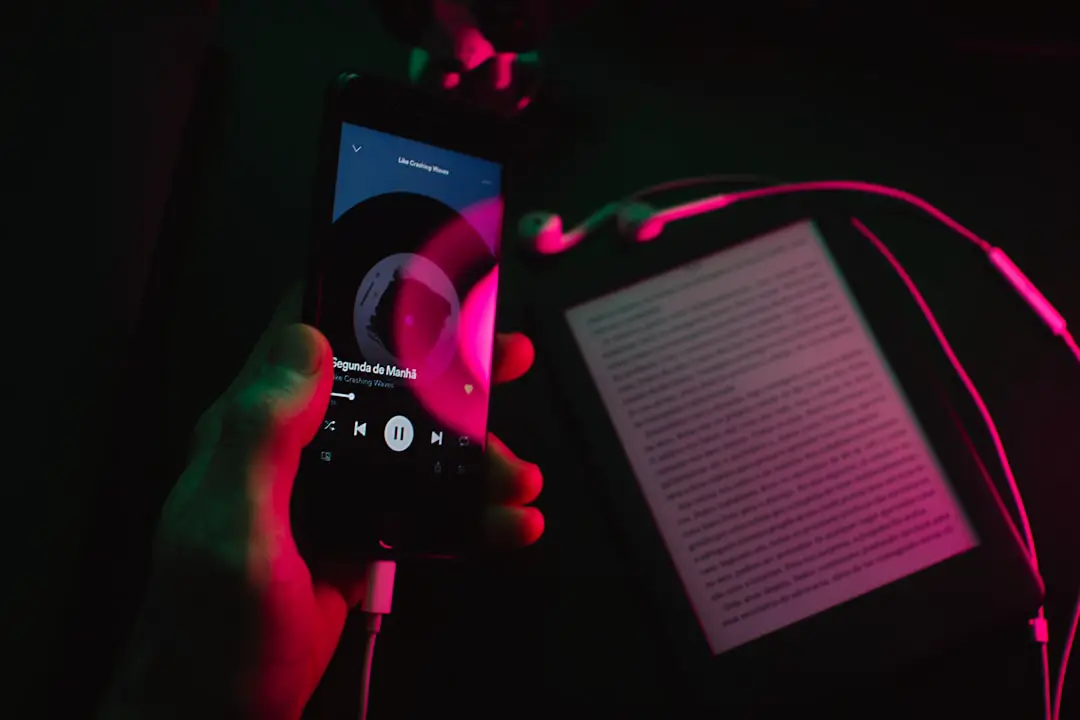
- Kindle: Adjustable white front light.
- Paperwhite: Adjustable white and warm light with improved brightness control.
For readers who enjoy nighttime reading, this warm light feature can make a meaningful difference in comfort.
5. Waterproofing
The Kindle Paperwhite includes IPX8 waterproofing, while the standard Kindle typically does not.
- Kindle: No water resistance.
- Paperwhite: Waterproof, safe for reading in the bath or by the pool.
This makes the Paperwhite particularly appealing for travelers or beach readers.
6. Battery Life
Both models boast impressive battery performance measured in weeks rather than days. However, the Paperwhite often offers slightly longer endurance due to battery optimizations.
- Kindle: Up to six weeks depending on usage.
- Paperwhite: Up to ten weeks in some configurations.
Actual performance depends on brightness settings and Wi-Fi usage.
7. Storage Capacity
Storage can matter for readers who enjoy audiobooks or large libraries.
- Kindle: Typically 16 GB.
- Paperwhite: 8 GB or 16 GB options (some earlier versions offered 32 GB).
For most users, even 8 GB is enough for thousands of eBooks. However, audiobook listeners may prefer more storage.
8. Design and Build Quality
The Paperwhite generally feels more premium due to its flush-front design and higher-quality materials. The standard Kindle may have slightly thicker bezels and a lighter plastic feel.
- Kindle: Lightweight and practical.
- Paperwhite: Sleeker, flush display with more refined finish.
9. Weight and Portability
Both devices are highly portable, but minor weight differences may matter to some readers.
- Kindle: Slightly lighter.
- Paperwhite: Slightly heavier due to larger screen and waterproofing.
For commuters or travelers, even a small reduction in weight can increase handling comfort.
10. Charging Port and Speed
Recent models of both devices use USB-C charging, improving charging speed and cable compatibility. Older versions might still rely on micro-USB.
- Kindle: USB-C (newer versions).
- Paperwhite: USB-C with efficient charging management.
The practical difference here is minimal unless comparing older devices.
11. Performance and Page Speed
Performance differences between the Kindle and Paperwhite are subtle but present. The Paperwhite may offer slightly faster page turns and smoother navigation due to updated internal hardware.
While not dramatic, frequent readers may appreciate the extra responsiveness.
12. Target Audience
Ultimately, the two devices serve slightly different readers:
- Kindle: Best for beginners, students, or readers who want affordability and simplicity.
- Paperwhite: Best for avid readers who prioritize display quality, waterproofing, and enhanced lighting.
Comparison Chart
| Feature | Kindle | Kindle Paperwhite |
|---|---|---|
| Price | Lower | Higher |
| Screen Size | 6 inches | 6.8 inches |
| Resolution | 300 ppi | 300 ppi (larger display) |
| Warm Light | No | Yes |
| Waterproof | No | Yes (IPX8) |
| Battery Life | Up to 6 weeks | Up to 10 weeks |
| Storage | 16 GB | 8–16 GB |
| Design | Recessed screen | Flush-front display |
Final Thoughts
The Kindle and Kindle Paperwhite both deliver an excellent reading experience free from distractions like social media notifications. The choice ultimately depends on budget and reading lifestyle. Someone who reads occasionally at home may find the standard Kindle perfectly sufficient. Meanwhile, someone who reads nightly, travels often, or enjoys relaxing near water will likely appreciate the Paperwhite’s premium features.
Frequently Asked Questions (FAQ)
1. Is the Kindle Paperwhite worth the extra money?
For frequent readers, yes. The added waterproofing, larger display, and adjustable warm light justify the higher cost.
2. Can both devices read audiobooks?
Yes. Both support Audible audiobooks via Bluetooth headphones or speakers.
3. Is the reading experience very different?
The core experience is similar, but the Paperwhite offers a sharper, larger screen and more lighting customization.
4. Which is better for children or students?
The standard Kindle is often sufficient for students due to its affordability and portability.
5. Do both devices support Kindle Unlimited?
Yes. Both models provide full access to Kindle Unlimited and Amazon’s eBook store.
6. Are books transferable between devices?
Yes. Purchased Kindle books are tied to an Amazon account and can be downloaded to any Kindle device or app linked to that account.
7. Does waterproofing really matter?
For beachgoers, bath readers, or travelers, waterproofing provides peace of mind and added durability.
By weighing these twelve differences carefully, buyers can confidently choose the Kindle model that fits their habits, environment, and budget.