
The smartphone has defined the digital age for nearly two decades, reshaping how people communicate, work, shop, and entertain themselves. Yet the very companies that built trillion-dollar empires on handheld devices are now signaling a shift. From augmented reality glasses to ambient artificial intelligence assistants, tech giants are actively designing a future in which the smartphone is no longer the central hub of everyday life. The world they envision is more immersive, more integrated, and in many ways, less dependent on a single screen.
TLDR: Tech giants are preparing for a post-smartphone era driven by wearable devices, augmented and virtual reality, AI-powered assistants, and ambient computing. Instead of relying on a single handheld device, future technology will be embedded seamlessly into daily environments. Companies are investing heavily in spatial computing, brain-computer interfaces, and decentralized networks to power this transformation. The shift promises greater convenience and immersion, but it also raises major concerns around privacy, security, and digital dependence.
The Smartphone Plateau
The global smartphone market has matured. Annual upgrades feel incremental rather than revolutionary, offering better cameras and faster chips but few paradigm-shifting innovations. Growth has slowed, and consumers are holding onto devices longer. Major technology firms recognize a simple truth: the next wave of growth will not come from slightly thinner slabs of glass.
Innovation cycles suggest that platform shifts occur roughly every decade. Desktop computers gave way to laptops, laptops to smartphones. Now, the industry is searching for what comes next. Executives speak openly about “spatial computing,” “ambient intelligence,” and “wearable ecosystems” as signals of this transition.

Augmented Reality: A Digital Layer Over the Physical World
One of the strongest contenders to replace—or at least supplement—the smartphone is augmented reality (AR). AR glasses promise to overlay digital information directly onto the physical world. Navigation directions could appear on sidewalks. Messages might float in the corner of one’s field of vision. Real-time translation could convert foreign signs instantly.
Companies investing heavily in AR envision devices that are:
- Lightweight and fashionable enough for daily wear.
- Connected to cloud-based AI systems for real-time data processing.
- Context-aware, responding to surroundings without needing constant manual input.
Unlike smartphones, AR devices aim to reduce the need to look down at a screen. Instead, they integrate computing directly into a person’s line of sight. The ultimate goal is seamless interaction where technology feels nearly invisible.
However, significant challenges remain. Battery life, processing power, heat management, and social acceptance all present barriers. No one wants to wear a conspicuous headset all day. Success will depend on making the hardware both powerful and socially comfortable.
Virtual Reality and the Rise of Digital Worlds
While AR enhances reality, virtual reality (VR) replaces it entirely. VR headsets immerse users in fully digital environments for gaming, work collaboration, education, and entertainment. The push toward persistent virtual spaces—often described as part of the “metaverse”—reflects the belief that digital environments will play a far greater role in future life.
Remote work has already demonstrated that offices need not be physical. The next iteration may involve shared virtual spaces where colleagues appear as lifelike avatars. Meetings could unfold in simulated boardrooms, design labs, or fantastical landscapes that enhance creativity.
Critics argue that VR remains niche due to bulky hardware and motion discomfort. Yet steady improvements in resolution, weight reduction, and refresh rates indicate progress. Some analysts predict hybrid devices capable of switching between AR and VR modes, providing flexibility across contexts.
Ambient Computing and Invisible Interfaces
The post-smartphone future is not limited to headsets and glasses. Another direction focuses on ambient computing—technology embedded seamlessly into the environment. Instead of interacting with a single device, individuals engage with a network of interconnected sensors, speakers, displays, and AI systems.
Smart homes already provide a glimpse:
- Voice assistants answering questions.
- Thermostats adjusting automatically.
- Lights responding to presence and mood.
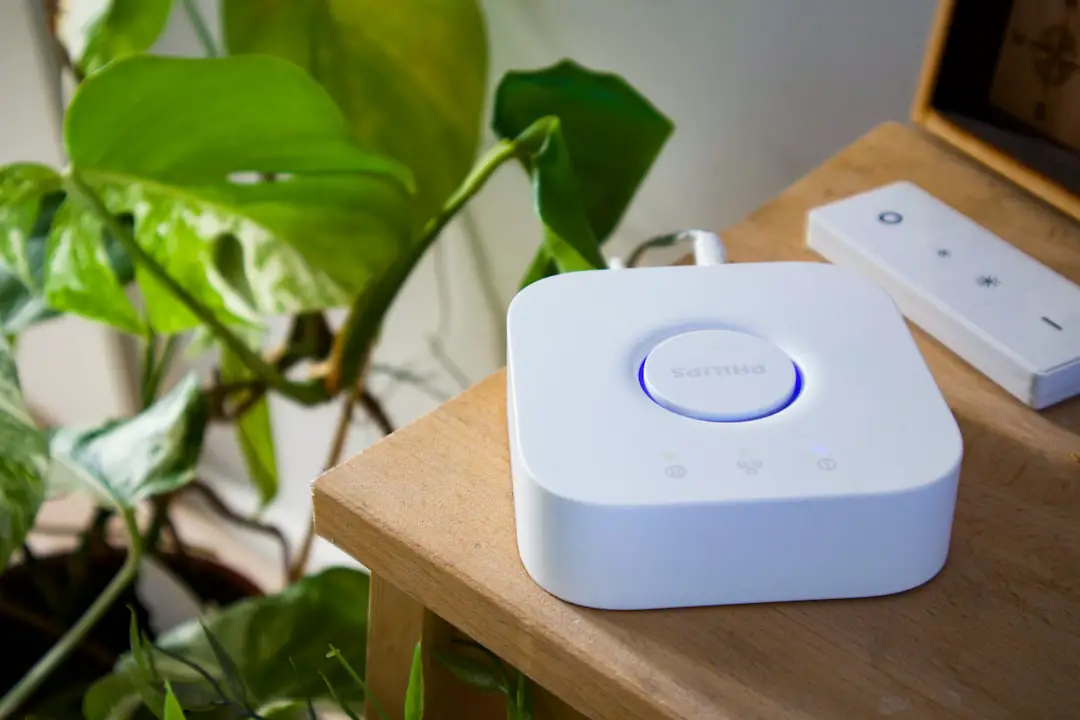
In a more advanced version of this ecosystem, homes, cars, offices, and even public spaces would anticipate needs without explicit commands. An AI system might schedule appointments based on conversation context or reorder groceries when supplies run low.
This shift reduces reliance on touchscreens and instead prioritizes voice, gesture, and predictive intelligence. The device fades into the background; the service becomes the focus.
Artificial Intelligence as the Core Engine
At the center of nearly every post-smartphone concept lies artificial intelligence. AI transforms passive hardware into adaptive systems capable of understanding speech, vision, and behavior patterns. Without advanced AI, AR glasses would merely display notifications; with AI, they become contextual companions.
Future AI assistants could:
- Summarize conversations in real time.
- Provide proactive reminders based on habits.
- Translate multiple languages instantly during dialogue.
- Curate personalized digital content continuously.
Tech giants are racing to build proprietary AI models deeply integrated into hardware ecosystems. Control over AI infrastructure may prove even more critical than control over physical devices. In many ways, AI could become the true operating system of the future.
Wearables Beyond Glasses
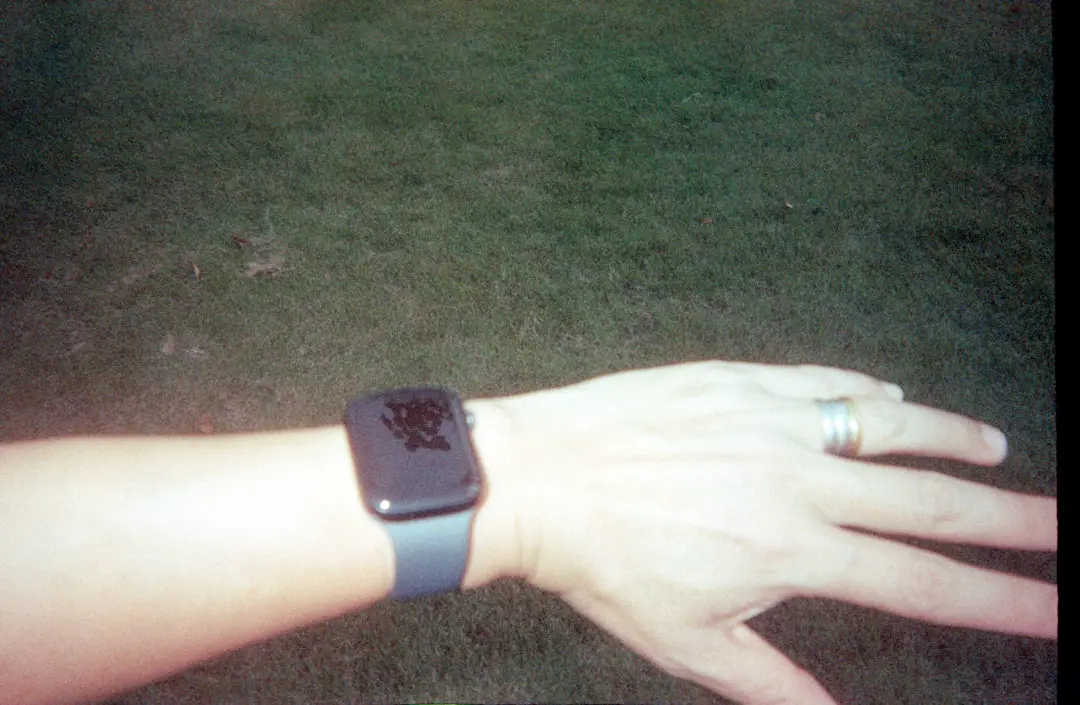
Smartwatches and fitness trackers were early steps toward distributing computing across the body. The next wave extends further: smart rings, biometric clothing, neural wristbands, and health-monitoring patches capable of constant diagnostics.
Health technology stands out as a powerful driver. Continuous glucose monitors, heart rhythm detection, and advanced sleep analytics show how wearable devices can move beyond communication tools to become essential health companions.
Some companies are also exploring brain-computer interfaces (BCIs). Though still experimental, BCIs aim to interpret neural signals directly, potentially enabling thought-based communication with machines. While widespread adoption remains years away, investment suggests long-term ambition.
The Decentralized and Cloud-Connected Backbone
A world beyond smartphones depends heavily on cloud computing and high-speed connectivity. Processing requirements for AR rendering or AI inference often exceed what compact wearables can manage locally. As a result, cloud infrastructure and edge computing become critical components.
The expansion of 5G and emerging 6G networks supports low-latency communication necessary for real-time immersive experiences. Without near-instantaneous data transfer, augmented overlays would lag, and virtual interactions would feel disjointed.
This backend evolution may be less visible to consumers, but it forms the backbone of the transformation.
Privacy, Ethics, and Social Implications
The post-smartphone future introduces profound ethical considerations. AR glasses equipped with outward-facing cameras raise fears of constant surveillance. Ambient microphones embedded in homes amplify concerns about data collection.
Key issues include:
- Data Ownership: Who controls the continuous streams of behavioral and environmental information?
- Security Risks: How are always-on systems protected from breaches?
- Social Boundaries: How will society adapt to potentially recording-enabled eyewear?
Regulation will likely evolve alongside innovation. Governments and advocacy groups are already scrutinizing AI decision-making, biometric tracking, and digital monopolies. Public trust may determine which technologies succeed and which falter.
The Human Experience in a Post-Smartphone Era
Perhaps the most significant shift is experiential rather than technical. Smartphones concentrate attention downward, often isolating users from their surroundings. Post-smartphone systems promise more natural engagement—heads up, hands free, eyes forward.
Optimists believe this transition could enhance productivity, creativity, and connection. Pessimists worry about deeper digital immersion and reduced boundaries between online and offline life.
What seems clear is that the next platform will not be a single device but an ecosystem. Smartphones may not disappear entirely; instead, they could fade into supporting roles as hubs that coordinate wearables and cloud services.
The transition will likely unfold gradually rather than overnight. Just as laptops persist in the smartphone era, handheld devices may coexist with AR glasses and AI assistants for years. Yet investment patterns, research breakthroughs, and executive roadmaps all point in the same direction: beyond the screen in one’s hand lies a more distributed, immersive computational landscape.
Frequently Asked Questions (FAQ)
1. Will smartphones completely disappear?
It is unlikely that smartphones will vanish entirely in the near future. Instead, they may become secondary hubs that manage and support wearable and ambient devices.
2. What technology is most likely to replace smartphones?
Augmented reality glasses are often considered the strongest candidate, especially when combined with powerful AI assistants and cloud computing infrastructure.
3. How soon will this transition happen?
The shift is expected to occur gradually over the next decade. Early adopters are already experimenting with AR, VR, and advanced wearables, but mainstream acceptance may take time.
4. Are there privacy risks with wearable and ambient tech?
Yes. Continuous data collection, biometric monitoring, and always-on cameras create significant privacy challenges. Regulatory frameworks and stronger data protections will be essential.
5. What role does artificial intelligence play in this future?
AI acts as the core engine enabling contextual awareness, voice interaction, predictive assistance, and seamless integration across devices. Without AI, most post-smartphone concepts would not function effectively.
6. Will this technology be accessible to everyone?
Initially, costs may limit access to premium markets. Over time, as with smartphones, broader adoption and falling production costs could make the technology widely available.
The world beyond smartphones remains under construction, but its outlines are already visible. Through wearables, immersive environments, and intelligent systems embedded in daily life, technology companies are building not just new devices—but an entirely new digital paradigm.