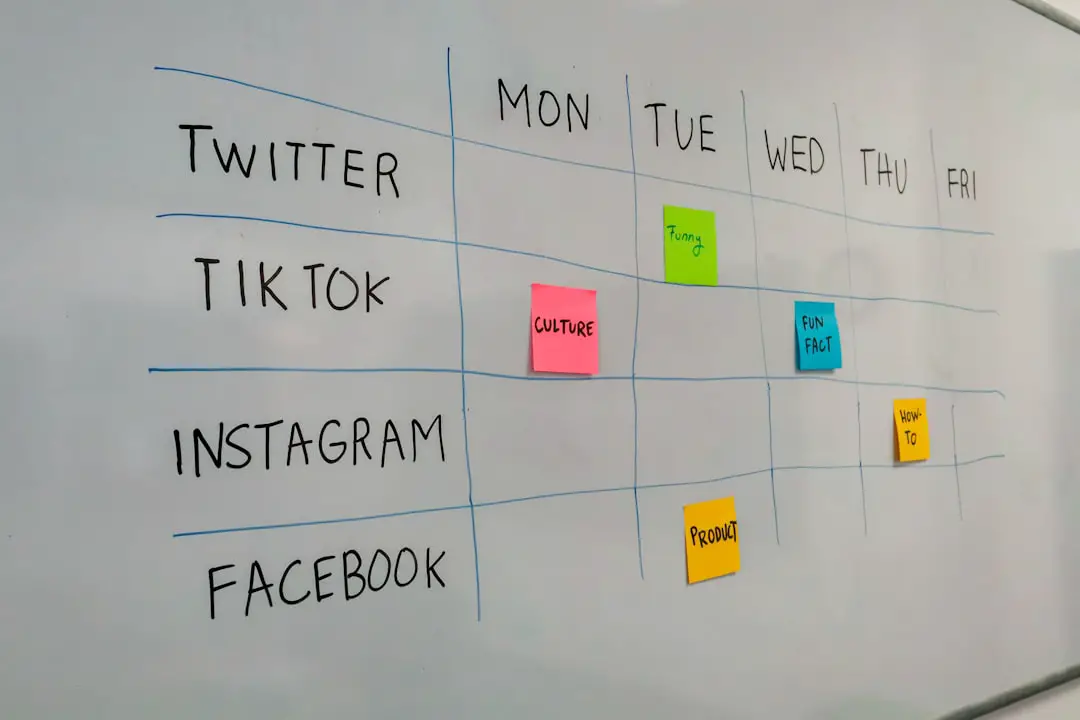
Content creation has become one of the most important parts of digital marketing, brand building, and audience engagement. As demand for consistent, high-quality articles grows, many businesses, marketers, and independent creators are turning to a blog post generator to speed up the writing process. When used strategically, this type of tool can help transform ideas into structured drafts, improve productivity, and support a scalable content workflow.
TLDR: A blog post generator helps content teams create article drafts faster by turning prompts, topics, and keywords into organized written content. It works best when paired with human editing, fact-checking, and brand-specific refinement. Rather than replacing writers, it serves as a productivity tool that supports brainstorming, outlining, drafting, and optimization.
What Is a Blog Post Generator?
A blog post generator is a digital writing assistant that uses artificial intelligence, language models, or automated templates to create blog content based on user-provided instructions. These instructions may include a topic, target keyword, tone of voice, audience type, desired article length, or specific sections to include.
Instead of starting with a blank page, content creators can use a generator to produce a first draft, outline, headline ideas, meta descriptions, introductions, conclusions, or frequently asked questions. This makes it especially useful for marketers managing multiple campaigns, agencies producing content for clients, and small businesses with limited writing resources.
However, a blog post generator should not be viewed as a complete replacement for human creativity. Its strongest value lies in assisting with repetitive or time-consuming parts of the writing process while allowing editors and subject matter experts to add accuracy, personality, and strategic insight.

Why Blog Post Generators Are Popular
The popularity of blog post generators has grown because modern content demands are intense. Search engines favor fresh, helpful, well-structured content, while audiences expect regular updates and useful information. For many organizations, producing enough quality content without overwhelming the team can be difficult.
A blog post generator offers several practical advantages:
- Speed: It can create article drafts, outlines, and topic ideas in minutes.
- Consistency: It helps maintain a regular publishing schedule.
- Scalability: It supports teams that need to produce content across many topics or categories.
- Idea generation: It helps overcome creative blocks by suggesting angles and structures.
- Cost efficiency: It reduces the time spent on early-stage drafting and research organization.
For businesses that rely on content marketing, these benefits can make a significant difference. A generator can help teams move from idea to draft faster, allowing more time for strategy, editing, design, and distribution.
How a Blog Post Generator Works
Most blog post generators begin with a prompt. The user provides details about the topic, purpose, audience, format, and tone. The tool then analyzes the input and produces written content that follows the requested direction.
For example, a marketing team may enter a prompt asking for a 1,200-word educational article about email marketing for small businesses. The generator may return a structured post with headings, an introduction, body sections, and a conclusion. Some tools may also suggest keywords, title options, and search-friendly descriptions.
The quality of the output depends heavily on the quality of the input. A vague prompt often produces generic content, while a detailed prompt leads to more useful results. This is why prompt writing has become an important skill for content teams using AI-assisted writing tools.
Key Features to Look For
Not all blog post generators offer the same level of quality or control. Before relying on one for content production, a business or creator should evaluate the features that matter most to the workflow.
- Customizable tone: The tool should support different writing styles, such as professional, friendly, educational, persuasive, or conversational.
- SEO support: Useful generators can incorporate keywords, headings, meta descriptions, and search intent.
- Outline creation: Strong content often starts with a clear structure, so outline generation is valuable.
- Editing flexibility: The generated content should be easy to revise, expand, and reorganize.
- Content length control: The ability to request short posts, long-form articles, or section-specific text improves usability.
- Originality support: The tool should help produce unique content rather than generic or duplicated phrasing.
A good generator should make the writing process smoother without limiting the creator’s ability to shape the final article.
Best Ways to Use a Blog Post Generator
A blog post generator works best when it is integrated into a thoughtful content creation process. It should act as an assistant, not as the entire strategy. The most effective teams use it at several stages of production.
1. Brainstorming Content Ideas
When a content calendar feels empty, a generator can quickly suggest article topics based on industry, audience, or keywords. For example, a fitness brand may request blog ideas for beginners, weight training, meal planning, and recovery. The tool can produce a list of potential posts that the team can evaluate and prioritize.
2. Creating Article Outlines
An outline helps ensure that a blog post flows logically and covers the right points. A generator can propose headings, subheadings, and supporting points. Human editors can then refine the structure to match brand goals and audience needs.
3. Drafting the First Version
The first draft is often the most difficult part of writing. A blog post generator can create a workable draft that gives writers something to edit, improve, and personalize. This reduces the time spent staring at a blank page and helps maintain momentum.
4. Repurposing Existing Content
Generators can also help transform existing material into new formats. A webinar transcript can become a blog post, a long article can become a summary, or a product guide can become an educational post. This makes content assets more valuable and easier to reuse.
Image not found in postmeta
How to Write Better Prompts
The quality of a generated blog post depends on the instructions provided. A strong prompt gives the tool enough context to create content that is focused and relevant.
An effective prompt may include:
- Topic: The main subject of the article.
- Audience: The type of reader the article should address.
- Purpose: Whether the post should inform, persuade, compare, or guide.
- Tone: The desired writing style, such as expert, approachable, or formal.
- Length: The approximate word count or section size.
- Keywords: Search terms that should be included naturally.
- Structure: Any required headings, lists, examples, or FAQ sections.
For instance, instead of requesting, “Write a blog post about project management,” a stronger prompt would be: “Write a 1,200-word educational blog post for small business owners about project management software. Use a professional but simple tone, include benefits, selection tips, common mistakes, and a FAQ section.”
This level of detail helps the generator create a more useful and targeted draft.
SEO Benefits and Limitations
A blog post generator can support search engine optimization by helping create keyword-focused content, structured headings, and topic clusters. It can also help generate meta titles, meta descriptions, and article summaries. For teams producing SEO content at scale, this can be highly useful.
However, generated content still requires careful review. Search engines increasingly reward content that demonstrates experience, expertise, authority, and trust. A generic article filled with keywords but lacking insight is unlikely to perform well over time.
To improve SEO quality, editors should:
- Check that keywords are used naturally.
- Add original examples, data, or expert opinions.
- Ensure the article fully answers the reader’s search intent.
- Improve readability with short paragraphs and clear headings.
- Add internal links to relevant pages where appropriate.
- Verify facts, statistics, and claims before publishing.
The best SEO results come from combining automated drafting with human judgment and search strategy.
Common Mistakes to Avoid
Although a blog post generator can be powerful, poor usage can lead to weak content. One common mistake is publishing generated text without review. This can result in factual errors, repetitive phrasing, or content that does not reflect the brand’s voice.
Another mistake is relying too heavily on generic prompts. If every article begins with broad instructions, the output may sound similar across multiple posts. Content teams should customize prompts for each topic, audience, and objective.
It is also important to avoid over-optimization. Articles that repeat keywords unnaturally may feel awkward to readers and may not satisfy search engines. The goal should always be to create useful, readable, and trustworthy content.
Finally, businesses should not ignore originality. A generated draft should be enhanced with unique insights, brand stories, product knowledge, customer examples, or expert commentary. These human additions make the article more valuable and memorable.
Building a Content Workflow With a Blog Post Generator
A strong workflow helps teams get the most out of a blog post generator. The process usually begins with content strategy. The team identifies audience needs, business goals, keyword opportunities, and publishing priorities. After that, the generator can assist with outlines and drafts.
Once a draft is created, an editor should review the content for accuracy, tone, clarity, and structure. A subject matter expert may also check technical details or industry-specific claims. After editing, the post can be optimized for SEO, formatted for readability, and prepared for publishing.
A practical workflow may look like this:
- Plan: Choose the topic, audience, keyword, and purpose.
- Prompt: Provide detailed instructions to the generator.
- Draft: Generate the article or specific sections.
- Edit: Improve flow, accuracy, tone, and originality.
- Optimize: Add SEO elements, links, formatting, and calls to action.
- Publish: Upload the final version and monitor performance.
- Improve: Update the article based on analytics and reader behavior.
The Role of Human Editing
Human editing is essential when using a blog post generator. While automated tools can create coherent drafts, they may miss nuance, context, and emotional connection. Editors ensure that the final piece sounds polished, accurate, and aligned with the brand.
A human editor can also improve weak sections, remove repetition, add examples, correct tone, and verify that the article provides real value. In many cases, the generated draft serves as a foundation, while the editor turns it into a publication-ready asset.
This partnership between automation and human expertise is where the greatest benefit appears. The generator handles speed and structure, while the human team provides judgment, creativity, and authenticity.
Who Can Benefit Most?
Several groups can benefit from using a blog post generator. Small business owners can use it to maintain a blog without hiring a large content team. Marketing agencies can use it to speed up early drafts for multiple clients. Freelance writers can use it to brainstorm angles and outline assignments. E-commerce brands can use it to create buying guides, product education posts, and category content.
Even experienced writers may find value in using a generator as a creative partner. It can suggest alternative introductions, reorganize sections, or help simplify complex topics. The key is using the tool intentionally rather than passively accepting every output.
Final Thoughts
A blog post generator can be a valuable part of modern content creation when used with care and strategy. It helps reduce drafting time, supports idea generation, improves consistency, and gives teams a practical way to scale their publishing efforts.
Still, the strongest content requires more than automation. It needs human insight, editorial judgment, audience understanding, and a clear purpose. When a blog post generator is used as a supportive tool rather than a shortcut, it can help create better content faster and make the entire publishing process more efficient.
FAQ
What is a blog post generator?
A blog post generator is a tool that creates blog content based on prompts, topics, keywords, and formatting instructions. It can produce outlines, drafts, titles, summaries, and FAQ sections.
Can a blog post generator replace a writer?
No. It can support writers by speeding up brainstorming and drafting, but human editing is still needed for accuracy, originality, tone, and strategic quality.
Is generated blog content good for SEO?
Generated content can support SEO when it is well-structured, keyword-aware, and edited for usefulness. It should be reviewed, fact-checked, and enhanced with original insights before publishing.
How can a business get better results from a blog post generator?
A business can improve results by writing detailed prompts, defining the audience, specifying tone and structure, adding target keywords, and carefully editing the final draft.
Should generated content be fact-checked?
Yes. Any factual claims, statistics, product details, or industry-specific information should be verified before publication to ensure accuracy and trustworthiness.