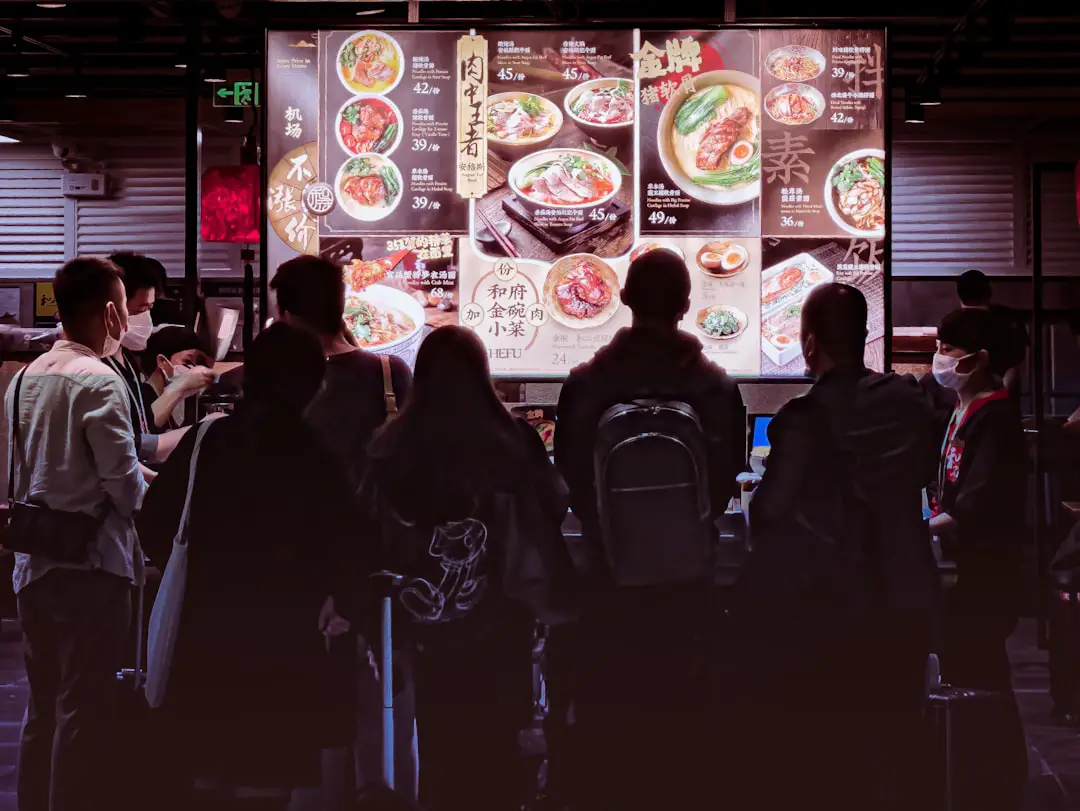
Digital menu boards have transformed how restaurants, cafés, food trucks, and quick-service chains communicate with customers. Instead of manually printing and replacing static menus, businesses can now update pricing, promotions, and visuals in real time across one location or hundreds. While Yodeck is a popular choice in the market, several other powerful digital menu board apps offer robust remote management, intuitive design tools, and scalable hardware support.
TLDR: Several digital signage platforms offer features comparable to Yodeck for remotely managing menu boards. NoviSign, ScreenCloud, and Rise Vision stand out for their ease of use, cloud-based control, and flexible hardware compatibility. Each platform supports remote content updates, scheduling, and multi-location management. The best choice depends on budget, integration needs, and the level of customization required.
Below are three reliable digital menu board apps that help businesses manage displays remotely and efficiently.
1. NoviSign
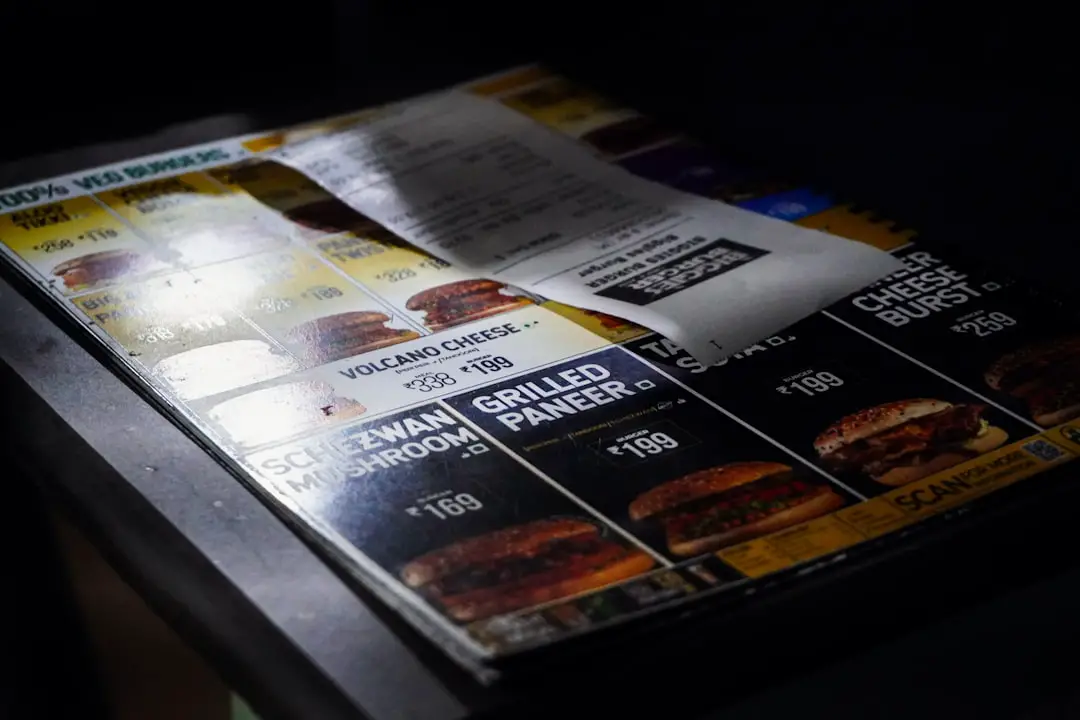
NoviSign is a cloud-based digital signage platform designed for ease of use and flexible content control. It is especially suitable for restaurants and retail environments looking for a straightforward solution without sacrificing advanced scheduling and automation features.
Key Features
- Cloud-Based Remote Management: Users can update content on any screen from any location using an internet connection.
- Drag-and-Drop Editor: No design or coding skills are required to create professional-looking menus.
- Dynamic Content: Integrates with RSS feeds, weather widgets, social media, and point-of-sale systems.
- Screen Scheduling: Schedule breakfast, lunch, and dinner menus automatically based on time of day.
- Multi-Location Control: Manage hundreds of displays from one centralized dashboard.
Why It’s a Strong Alternative to Yodeck
NoviSign offers similar hardware compatibility and cloud flexibility but focuses heavily on template-driven simplicity. For restaurant owners who want quick setup and minimal training, NoviSign provides a user-friendly experience with scalable options.
Best for: Small to medium-sized restaurant chains, cafés, and franchises that prioritize ease of use.
2. ScreenCloud
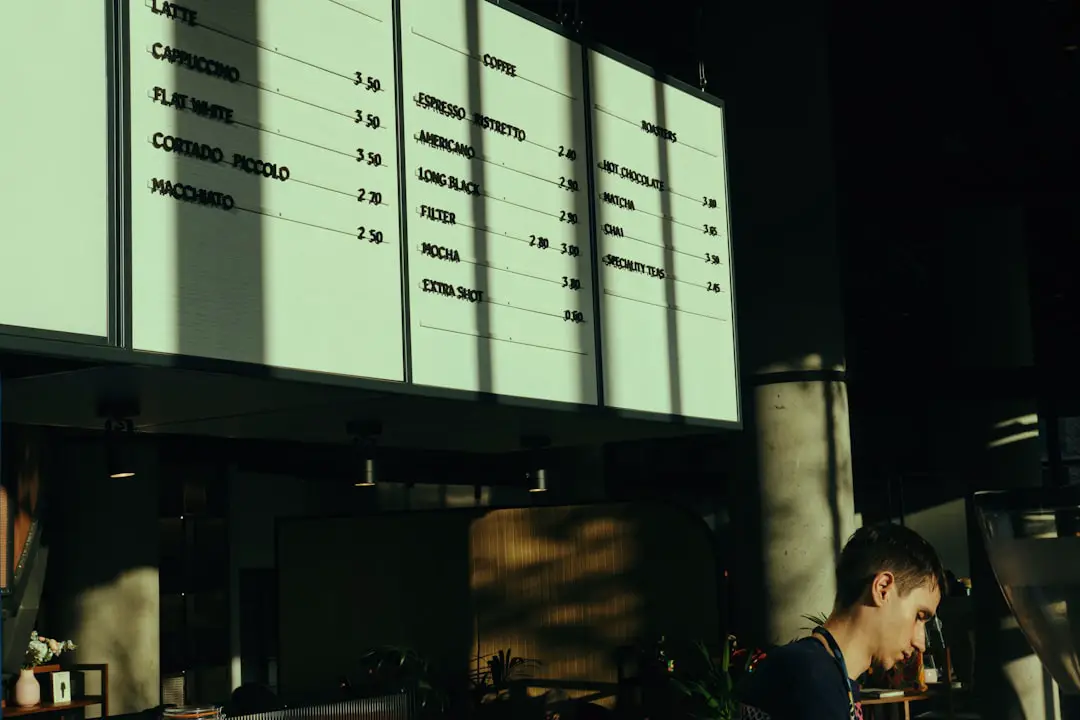
ScreenCloud is a highly versatile digital signage platform known for its integrations and app marketplace. It caters not only to restaurants but also to corporate offices, healthcare facilities, and retail brands.
Key Features
- App Ecosystem: Offers integrations with Google Slides, Canva, POS systems, dashboards, and more.
- Centralized Dashboard: Monitor and control all screens across locations from one interface.
- Content Playlists: Create playlists of menu items, promotional slides, and videos.
- Role-Based Permissions: Assign access levels to managers and marketing teams.
- Hardware Flexibility: Works with multiple operating systems and devices.
Why It’s a Strong Alternative to Yodeck
ScreenCloud stands out due to its integration ecosystem. Businesses that rely on external marketing tools or real-time data feeds benefit from its broad compatibility. Remote updates are seamless, and users can push changes to one display or an entire network instantly.
Best for: Growing restaurant brands and enterprise-level operations needing integrations and advanced administrative controls.
3. Rise Vision
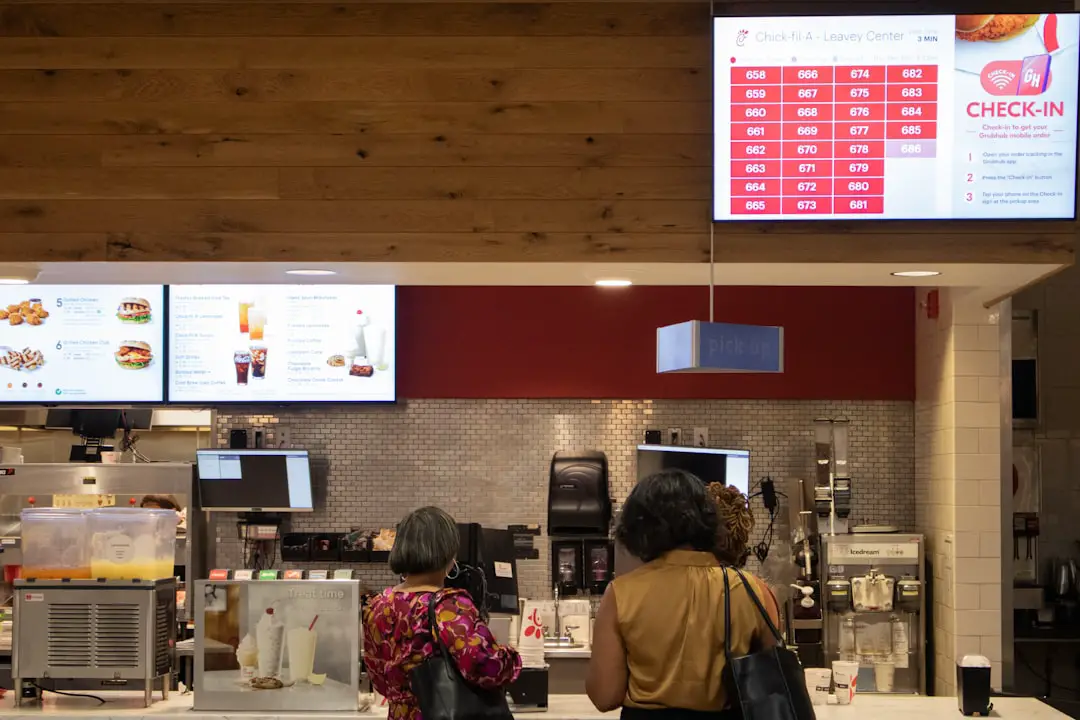
Rise Vision is another powerful cloud-based signage solution focused on simplicity and affordability. It is well-known in both the education sector and the hospitality industry.
Key Features
- Template Library: Professionally designed templates tailored for menus and promotions.
- Web-Based Editor: Update content from any browser without special software.
- Scheduled Playlists: Automate content changes for different times or events.
- Affordable Pricing: Competitive pricing plans suitable for small businesses.
- Cross-Platform Compatibility: Works with popular commercial display hardware.
Why It’s a Strong Alternative to Yodeck
Rise Vision focuses on clean design and cost-effectiveness. Businesses that want a reliable system without complex setup often appreciate its straightforward approach. For restaurants transitioning from static menus to digital boards, Rise Vision offers a manageable and budget-friendly entry point.
Best for: Independent restaurants, startups, and budget-conscious operators.
Comparison Chart
| Feature | NoviSign | ScreenCloud | Rise Vision |
|---|---|---|---|
| Cloud-Based Remote Control | Yes | Yes | Yes |
| Drag-and-Drop Editor | Yes | Yes | Yes |
| App Integrations | Moderate | Extensive | Basic |
| Best for Multi-Location Chains | Good | Excellent | Moderate |
| Template Library | Strong | Strong | Strong |
| Ease of Setup | Easy | Moderate | Very Easy |
| Pricing Flexibility | Mid-Range | Mid to High | Budget-Friendly |
What to Look for in a Digital Menu Board App
When evaluating alternatives to Yodeck, businesses should consider several factors beyond basic display management.
1. Remote Accessibility
An ideal platform allows menu updates from anywhere, whether from a smartphone, laptop, or central office computer. This ensures quick price changes, emergency updates, or flash promotions.
2. Scheduling Automation
Automating content transitions between breakfast, lunch, and dinner reduces staff workload and eliminates manual errors.
3. Scalability
For franchises or multi-location operations, centralized management is essential. The system should allow grouping displays by store, region, or campaign.
4. Hardware Compatibility
Businesses should confirm that the software works with their chosen screens, media players, or smart TVs to avoid unexpected costs.
5. Ease of Use
A platform that requires minimal training ensures faster implementation and smoother daily operations.
Benefits of Managing Displays Remotely
Remote display management goes beyond convenience. It impacts branding, operational efficiency, and revenue growth.
- Faster Updates: Instantly adjust prices to reflect supply costs or seasonal promotions.
- Consistent Branding: Ensure all locations display uniform campaigns.
- Cost Efficiency: Reduce printing and labor costs associated with physical menus.
- Higher Customer Engagement: Use dynamic visuals, animations, and videos to increase upsells.
- Data-Driven Adjustments: Modify promotions based on performance insights.
These benefits make digital signage not just a technological upgrade but a strategic business investment.
FAQ
1. What is a digital menu board app?
A digital menu board app is cloud-based software that allows businesses to create, schedule, and manage menu content displayed on digital screens. It enables remote control of one or multiple displays.
2. Do these platforms require special hardware?
Most digital signage apps work with compatible media players or smart TVs. Some providers recommend specific devices, but many support a variety of hardware options.
3. Can multiple locations be managed from one account?
Yes. Platforms like NoviSign, ScreenCloud, and Rise Vision allow centralized control across multiple locations, making them suitable for franchises and chains.
4. Are digital menu boards expensive to maintain?
While there is an initial setup cost for screens and media players, ongoing expenses are typically limited to software subscriptions. Businesses often save money by eliminating printing costs.
5. How difficult is it to switch from static menus to digital?
Most modern platforms are designed for ease of use. With template libraries and drag-and-drop editors, businesses can transition to digital systems with minimal technical expertise.
6. Which app is best for small restaurants?
Rise Vision is often suitable for smaller establishments due to its affordability and simplicity. However, NoviSign also offers an accessible solution with scalable features.
Choosing the right digital menu board app ultimately depends on business size, growth plans, and technical requirements. Whether prioritizing deep integrations, ease of use, or affordability, alternatives like NoviSign, ScreenCloud, and Rise Vision provide powerful remote management capabilities comparable to Yodeck. By leveraging the right platform, restaurants and food service businesses can streamline operations, enhance customer experience, and maintain full control over their displays from anywhere.