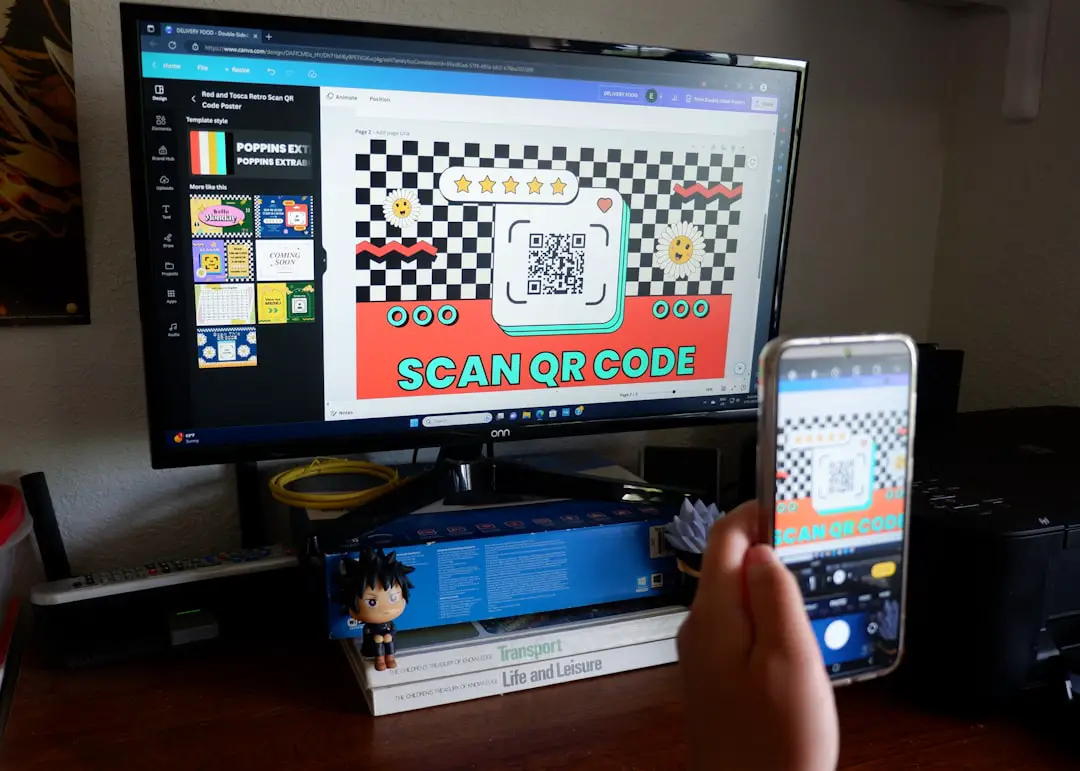
In a world where attention spans are short and competition is fierce, businesses and creators need tools that deliver instant engagement. QR code tools have evolved far beyond simple black-and-white squares, becoming powerful gateways to websites, payments, promotions, menus, apps, and more. Today’s best solutions are built for speed, simplicity, and measurable results, allowing anyone—from solo entrepreneurs to global enterprises—to launch campaigns in minutes and track performance in real time.
TL;DR: Modern QR code tools are designed to be fast, user-friendly, and results-driven. They allow businesses to generate, customize, and track QR codes with minimal effort. Advanced features like analytics, dynamic editing, and design customization transform simple scans into measurable marketing opportunities. Choosing the right platform depends on your speed needs, customization preferences, and data goals.
Whether printed on packaging, displayed in storefront windows, added to business cards, or integrated into digital campaigns, QR codes bridge the physical and digital worlds instantly. The key is choosing tools that remove friction while maximizing impact.
Why Speed Matters in QR Code Generation
Speed isn’t just about how quickly a QR code is generated—it’s about how fast you can move from idea to execution. In fast-paced marketing environments, delays cost opportunities.
The best QR code tools prioritize:
- Instant Generation: Create a code in seconds without lengthy sign-up processes.
- Template Libraries: Prebuilt templates for URLs, events, Wi-Fi access, vCards, menus, and more.
- Bulk Creation: Generate hundreds or thousands of codes simultaneously.
- Easy Downloads: Access high-resolution PNG, SVG, or PDF files immediately.
For example, restaurants launching seasonal promotions or retailers rolling out flash sales need QR codes deployed the same day. Fast tools ensure promotions never miss their window.
Speed, however, means little without simplicity.
Simplicity: Removing the Technical Barriers
Not everyone is a developer—and they shouldn’t have to be. Modern QR code platforms are designed with intuitive dashboards and drag-and-drop editors so users can create effective codes in just a few clicks.

Key simplicity-focused features include:
- User-Friendly Interfaces: Clear navigation and minimal learning curves.
- One-Click Editing: Update content without regenerating a new code (for dynamic QR codes).
- Guided Setup: Step-by-step prompts for beginners.
- Mobile Optimization: Manage campaigns directly from smartphones.
Dynamic QR codes are particularly powerful because they allow users to change the destination URL or content without reprinting materials. This avoids wasted print costs and maximizes flexibility.
Simplicity also ensures teams collaborate efficiently. Marketing, sales, and event coordinators can work from the same platform without confusing technical workflows.
Results-Driven QR Code Features
The true value of QR code tools lies in their ability to produce measurable outcomes. Advanced platforms offer analytics that transform a basic scan into actionable insight.
Result-oriented features typically include:
- Scan Tracking: Monitor total scans and unique visitors.
- Geolocation Data: Identify where scans occur geographically.
- Device Insights: Understand operating systems and browsers used.
- Time-Based Reports: See peak engagement hours.
- A/B Testing: Compare different campaigns for performance.
With this data, businesses can refine marketing strategies quickly. If one location generates significantly more scans, budget allocation can shift accordingly. If a campaign underperforms, adjustments can be made instantly.
Results also depend on design.
Customization for Brand Impact
Today’s QR codes are far from generic. Modern tools allow full customization so codes align seamlessly with brand identity.
Popular design features include:
- Color Adjustments: Match brand palettes.
- Logo Integration: Add recognizable brand symbols in the center.
- Shape Variation: Rounded corners, dots, or unique patterns.
- Frame and Call-to-Action Text: “Scan Me,” “View Menu,” or “Claim Offer.”

Custom visual design increases scan rates by making codes more inviting and trustworthy. A well-designed QR code signals professionalism and reduces hesitation from users unsure of where a generic code might lead.
However, customization must balance aesthetics with scannability. Leading tools automatically optimize contrast, pixel scaling, and error correction to ensure readability remains high.
Types of QR Code Tools Available
There are several types of QR code tools on the market, each catering to different needs:
1. Basic Free Generators
- Fast and simple
- Limited customization
- Typically static QR codes only
- No analytics tracking
2. Mid-Tier Marketing Platforms
- Dynamic QR codes
- Basic analytics
- Customization options
- Editable destinations
3. Enterprise-Level Solutions
- Advanced analytics dashboards
- Bulk generation capabilities
- API integrations
- Team collaboration tools
- Security and compliance controls
Choosing the right category depends largely on campaign scale and performance goals.
Comparison Chart: Choosing the Right QR Code Tool
| Feature | Basic Free Tools | Mid-Tier Platforms | Enterprise Solutions |
|---|---|---|---|
| Generation Speed | Instant | Instant | Instant with bulk options |
| Dynamic QR Codes | No | Yes | Yes |
| Analytics | No | Basic tracking | Advanced dashboards |
| Customization | Limited | Moderate | Extensive brand control |
| Bulk Creation | No | Limited | Yes |
| API Integration | No | Sometimes | Yes |
| Best For | Personal use | Small businesses | Large campaigns, enterprises |
Real-World Applications That Deliver Results
When implemented strategically, QR codes generate measurable business impact across industries.
Retail
Retailers use QR codes on packaging to link customers to product tutorials, reviews, or loyalty programs. This enhances post-purchase engagement and drives repeat sales.
Hospitality
Restaurants and hotels use QR codes for digital menus, feedback forms, and contactless payments, streamlining operations and cutting print costs.
Events and Conferences
Event organizers employ QR codes for ticket validation, attendee networking, and session feedback. Real-time scan data helps track attendance flow.
Healthcare
Clinics provide QR codes linking to patient forms, appointment scheduling, or prescription information, reducing administrative workload.
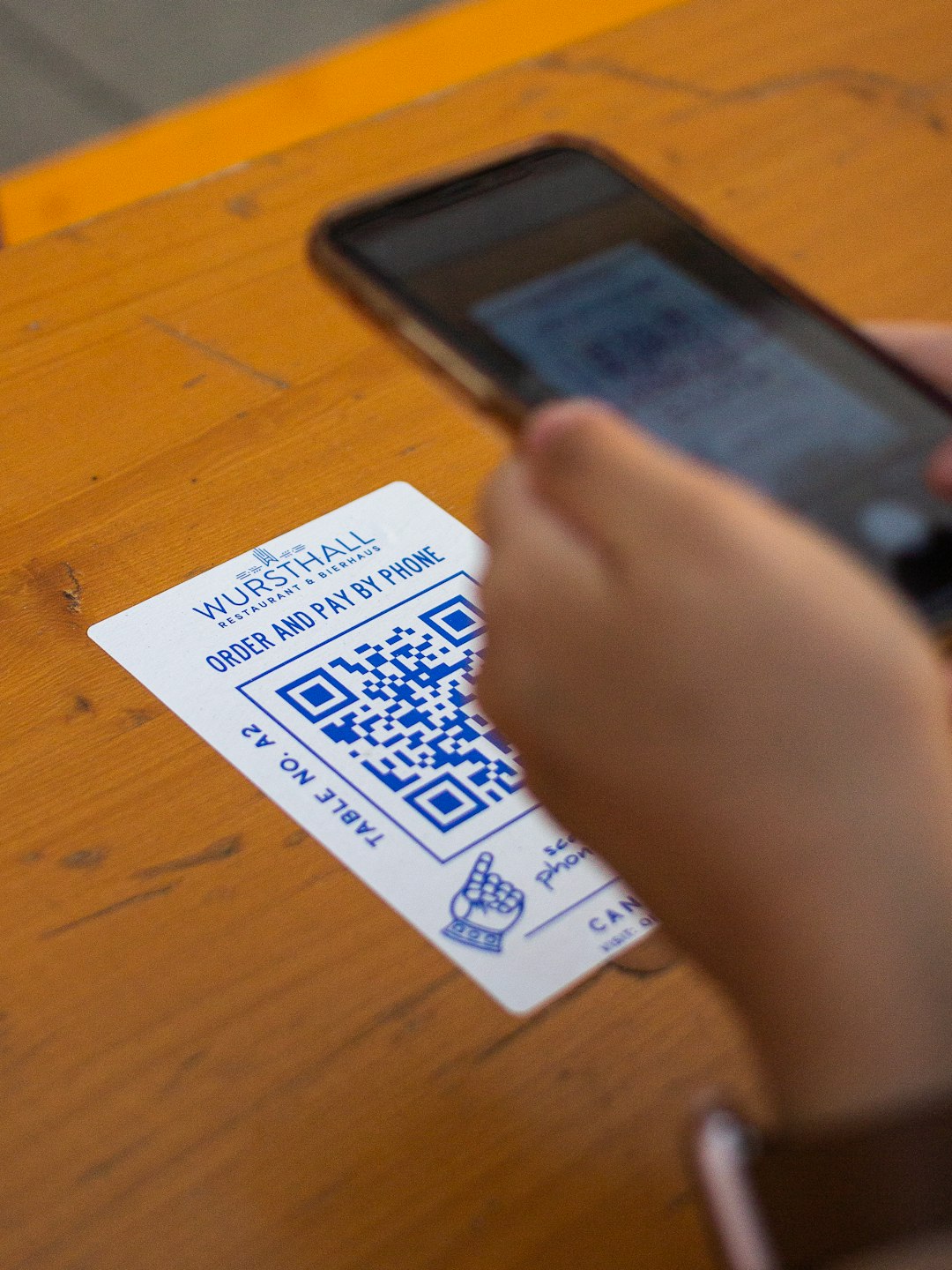
The thread connecting these industries is efficiency. QR codes eliminate friction while capturing performance insights.
Key Factors to Consider Before Choosing a Tool
Before deciding on a QR code solution, evaluate these critical factors:
- Campaign Goals: Is the aim awareness, conversions, engagement, or data collection?
- Need for Analytics: Basic numbers or in-depth behavioral insights?
- Budget Constraints: Free solution or scalable subscription model?
- Security Requirements: Especially crucial for sensitive data environments.
- Integration Needs: Does it connect with CRM, email marketing, or automation tools?
Answering these questions ensures you select a tool built not just for scanning—but for delivering measurable ROI.
The Future of QR Code Tools
QR technology continues to evolve. Future-focused platforms are integrating:
- AI-driven insights to predict scan behavior trends
- Personalized landing pages that adapt based on user data
- Augmented reality experiences triggered by scans
- Enhanced security layers to prevent misuse
As smartphone adoption increases globally, QR codes are positioned to remain a vital marketing and operational tool. The emphasis on speed, simplicity, and results ensures they stay relevant in competitive digital landscapes.
Final Thoughts
QR code tools have transformed from novelty utilities into essential business instruments. The best solutions combine rapid deployment, intuitive design, and robust performance tracking. They empower organizations to connect offline audiences with online experiences instantly, while gathering valuable engagement data.
In an era where consumer attention is fleeting, tools that remove friction win. QR code platforms built for speed help you act quickly. Tools designed for simplicity ensure anyone can launch campaigns. And systems focused on results turn every scan into a measurable opportunity.
The square may be small—but its potential impact is enormous.