In competitive markets where consumers make split-second decisions, packaging is no longer just a protective shell—it is a strategic brand asset. The right packaging differentiates, communicates value, and builds trust before a customer ever experiences the product itself. A professional packaging design company brings structure, research, and creative discipline to this critical touchpoint, ensuring that every visual and tactile detail reinforces your brand identity.
TLDR: Packaging is one of the most powerful expressions of your brand identity. A professional packaging design company aligns visual appeal, strategy, and consumer psychology to make your products stand out while reinforcing brand trust. From market research and material selection to consistency across product lines, expert packaging design elevates perception and drives purchase decisions. Investing in strategic packaging ultimately strengthens long-term brand equity.
Packaging as a Strategic Brand Tool
Brand identity extends beyond logos and taglines. It includes the emotions, expectations, and associations customers form when interacting with your company. Packaging is often the first physical touchpoint between your brand and your audience. Shape, texture, typography, color, and structural design all communicate subtle but powerful messages.
When executed professionally, packaging can:
- Communicate brand values such as sustainability, luxury, simplicity, or innovation
- Differentiate products in crowded retail or online environments
- Reinforce positioning within a specific market segment
- Increase perceived value and justify premium pricing
- Build recognition across product lines
A packaging design company approaches these objectives strategically rather than decoratively. Instead of focusing solely on aesthetics, it integrates branding, consumer behavior insights, and technical feasibility into a cohesive solution.
Professional Research and Market Insight
Effective packaging is rooted in research. A reputable packaging design company begins with analysis:
- Market trends and category standards
- Competitor positioning
- Target audience preferences
- Retail environment constraints
- E-commerce display dynamics
This research prevents costly missteps. For example, minimalist packaging may signal premium quality in one category but appear underwhelming in another. Similarly, vibrant color palettes may attract attention in certain markets while eroding trust in more conservative sectors.
By aligning packaging design with consumer psychology and purchasing behavior, professionals ensure that your product does not just look appealing—it resonates meaningfully with the intended audience.
Consistency Across Brand Touchpoints
One of the most overlooked risks in packaging is inconsistency. When product variants diverge in tone, layout, or visual hierarchy, the brand loses coherence. A packaging design company develops formal systems that maintain unity across:
- Color palettes
- Typography hierarchies
- Iconography and graphic motifs
- Label architecture
- Photography or illustration styles
This systematic approach strengthens brand recognition. Consumers should be able to identify your product at a glance—even from a distance or on a crowded digital shelf.
Structural Design and Functional Excellence
Beyond graphics, packaging design companies specialize in structural engineering. The way a package opens, closes, protects, and stores the product contributes significantly to brand perception.
Structural considerations often include:
- Material durability and product protection
- User-friendly opening mechanisms
- Efficient storage and stacking
- Shipping resilience for e-commerce
- Sustainability and recyclability
Thoughtful structural packaging reduces returns, damage, and customer frustration. Moreover, innovative structures can create memorable experiences that consumers associate positively with your brand.
Enhancing Perceived Value
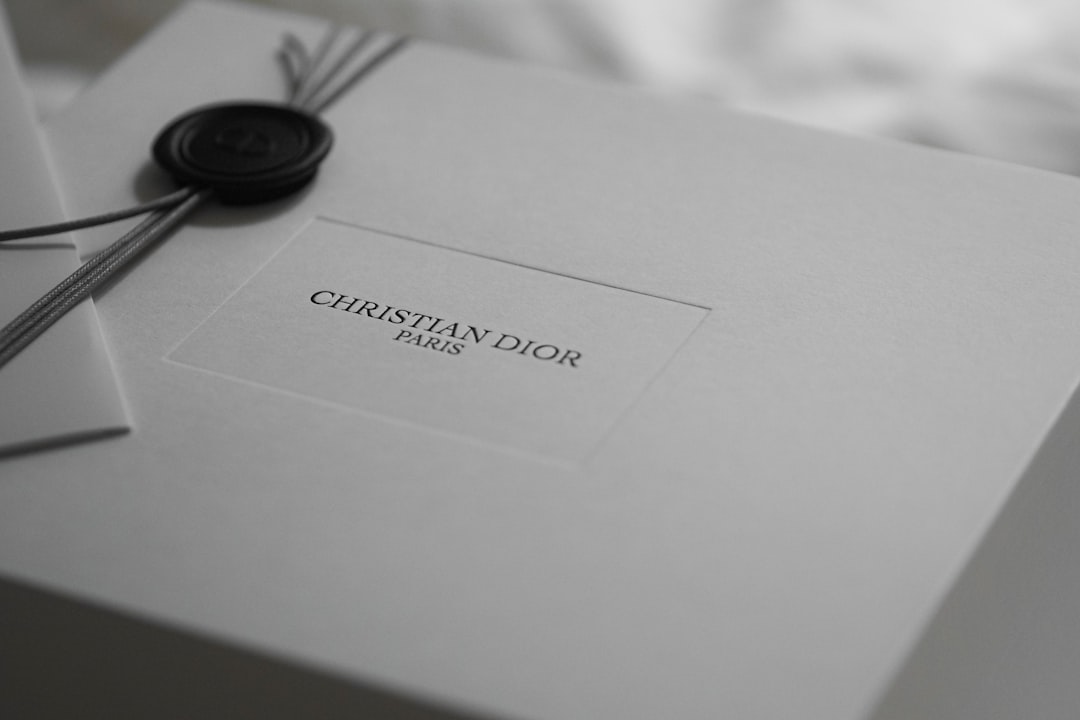
Perceived value influences pricing power. Even when product quality is similar, premium packaging can justify higher price points. Texture, weight, finish, and printing techniques all play a role in shaping perception.
Examples of premium-enhancing elements include:
- Embossing and debossing
- Foil stamping
- Soft-touch coatings
- Magnetic closures
- High-grade sustainable materials
These elements must be applied strategically, not excessively. A packaging design company balances sophistication and restraint, ensuring enhancements elevate rather than overwhelm the overall design.
Sustainability as a Brand Statement
Modern consumers evaluate brands through environmental responsibility. Packaging often represents the largest visible environmental footprint of a product. A professional design company incorporates sustainability into brand identity by considering:
- Recycled or biodegradable materials
- Reduced material usage
- Refill systems
- Clear disposal instructions
- Minimal ink and responsible printing methods
Importantly, sustainable packaging must remain aligned with quality perception. Poor structural integrity or inadequate protection can undermine trust. Experts ensure ecological responsibility enhances rather than compromises the brand’s position.
Optimizing for Retail and E-Commerce
Retail shelves demand strong visual impact at a distance, while e-commerce platforms require clarity in thumbnail images. Packaging design companies adapt branding strategies to both environments.
Retail-focused strategies may include:
- Bold color blocking
- Distinctive silhouette
- High-contrast typography
- Clear benefit statements
E-commerce-focused strategies often prioritize:
- Readable product names in small images
- Clean backgrounds for digital photography
- Sturdy shipping solutions
- Memorable unboxing experiences
Failing to adapt packaging for omnichannel distribution can erode consistency and performance. A packaging design company anticipates these demands during the initial design phases.
The Psychology of Color and Typography
Color and type choices influence emotional perception within seconds. Deep blues often suggest reliability and professionalism. Earth tones signal natural or organic positioning. Minimalist black-and-white palettes may communicate sophistication.
Typography carries equal weight. Serif fonts can evoke tradition and authority, while clean sans-serif typefaces suggest modernity. A packaging design company studies these signals carefully, ensuring they align with your brand narrative.
This integration of psychology and design reinforces recognition and emotional connection over time.
Creating Memorable Unboxing Experiences
In the digital age, unboxing has evolved into shareable content. Thoughtfully designed interior packaging, inserts, and messaging create emotional resonance beyond the transaction.
Elements that enhance unboxing include:
- Personalized messages
- Layered reveals
- Branded tissue or internal printing
- Clear storytelling elements
- Reusable packaging components
These details deepen customer attachment and increase the likelihood of repeat purchases.
Risk Mitigation and Technical Expertise
Poor packaging decisions can lead to regulatory issues, printing errors, material failures, or production delays. Packaging design companies understand the technical requirements of labeling laws, barcodes, ingredient listings, and industry compliance standards.
Their coordination with printers and manufacturers ensures:
- Accurate dielines and dimensions
- Color consistency across batches
- Cost-effective material selection
- Efficient production timelines
- Reduced waste and reprints
This technical oversight safeguards brand reputation and prevents unnecessary financial loss.
Scalability and Long-Term Brand Growth
As businesses expand, packaging systems must adapt to new SKUs, product lines, and geographic markets. A well-structured packaging architecture makes scaling efficient.
Professional packaging partners develop flexible systems that allow:
- Variant differentiation without brand dilution
- Easy adaptation to different languages or markets
- Seamless introduction of seasonal editions
- Consistent hierarchy across product families
This foresight protects your brand against fragmentation as it grows.
Return on Investment
While professional packaging design represents an upfront investment, the long-term return often exceeds expectations. Improved shelf visibility, enhanced perceived value, reduced product damage, and stronger brand loyalty all contribute to revenue growth.
Measurable benefits may include:
- Higher conversion rates
- Increased repeat purchases
- Stronger retailer partnerships
- Positive online reviews
- Organic social media exposure
In essence, packaging design is not an expense—it is a strategic asset that influences every stage of the customer journey.
Conclusion
Brand identity is built through consistent, intentional interactions. Packaging is one of the few brand elements that consumers see, touch, and experience directly. A professional packaging design company combines research, aesthetics, engineering, and strategy to transform packaging into a powerful branding instrument.
By aligning form and function with your brand’s core values, such expertise reinforces trust, enhances perceived value, and supports long-term scalability. In increasingly competitive markets, thoughtful packaging design is not optional—it is essential to achieving sustainable brand elevation.