Imagine waking up to soft music, lights that slowly brighten, and a coffee maker that starts brewing before your feet hit the floor. That is not science fiction anymore. It is smart home technology. And it is changing how we live, relax, and even think about our homes. What once felt futuristic is now becoming normal.
TL;DR: Smart home technology connects your devices so they can talk to each other and to you. It makes everyday tasks easier, faster, and often cheaper. From smart lights to voice assistants and security cameras, it changes how we cook, sleep, work, and stay safe. The future home is more connected, more efficient, and more personal than ever before.
Let’s break it down in a fun and simple way.
What Is a Smart Home?
A smart home is a house filled with devices that connect to the internet. These devices can be controlled by your phone, tablet, or voice. Many of them can also automate tasks. That means they do things on their own. No button pressing needed.
Some common smart devices include:
- Smart lights
- Smart thermostats
- Smart speakers
- Video doorbells
- Security cameras
- Smart locks
- Smart appliances
Each one solves a small problem. Together, they transform how your home works.
Lighting That Thinks for You
Smart lighting is often the first step into a smart home. And it makes a big difference.
You can:
- Turn lights on and off from anywhere
- Change brightness with your voice
- Adjust colors for different moods
- Set schedules for morning and night
Picture this. You are on vacation. Your lights turn on and off in the evening automatically. It looks like someone is home. That adds safety with almost no effort.
Smart lights can also save money. They turn off when no one is in the room. Less waste. Lower bills. Simple.

Comfort That Adjusts Itself
Smart thermostats learn your habits. They know when you wake up. They know when you leave. Over time, they adjust the temperature automatically.
This means:
- Your home is warm when you need it
- Cool when you come back from work
- Energy is not wasted during the day
Some systems even check the weather outside. If it is sunny, they adjust inside settings. That small change can save a lot of energy over a year.
And you control it all from your phone. Forgot to turn off the heat? No problem. A quick tap fixes it.
Security That Never Sleeps
Home security has changed dramatically. Traditional alarms only made noise. Smart security does much more.
Today you can:
- See who is at your door from your phone
- Talk through your doorbell camera
- Get alerts for unusual movement
- Lock or unlock doors remotely
This creates peace of mind. Parents check cameras while at work. Travelers monitor their homes from another country. Packages are safer. So are pets.
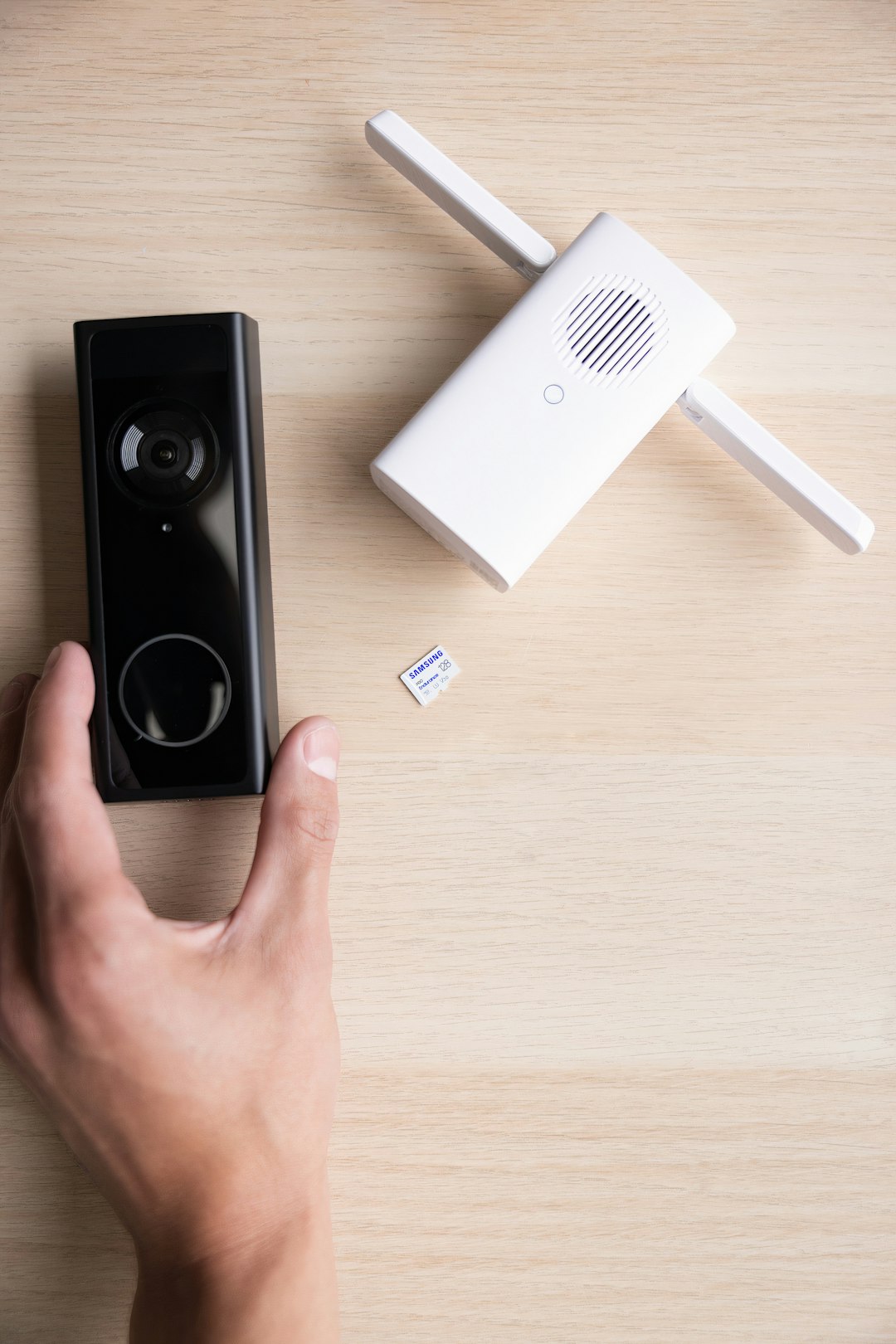
You are not just reacting to problems. You are preventing them. That is a big shift.
Voice Control Changes Everything
Talking to your home still feels a little magical. But it quickly becomes normal.
Voice assistants let you say things like:
- “Turn off the lights.”
- “Play relaxing music.”
- “Set a timer for 10 minutes.”
- “What is the weather today?”
Your home responds instantly.
This is especially helpful when your hands are busy. Cooking. Cleaning. Holding a baby. You do not need to touch anything.
Voice control also makes technology more accessible. Elderly people or those with limited mobility can control devices more easily. That increases independence.
Smart Kitchens Make Cooking Easier
Kitchens are becoming smarter too.
Imagine a refrigerator that:
- Tracks what food you have
- Suggests recipes
- Reminds you when items expire
Or an oven you can preheat from your car. By the time you get home, it is ready. Dinner starts faster.
Some coffee machines start automatically at your usual wake-up time. Small features. Big convenience.
Smart home technology removes tiny daily stresses. All those little frustrations add up. Removing them improves your mood without you noticing.
Entertainment Gets Personal
Streaming changed television. Smart homes take it further.
You can create scenes like:
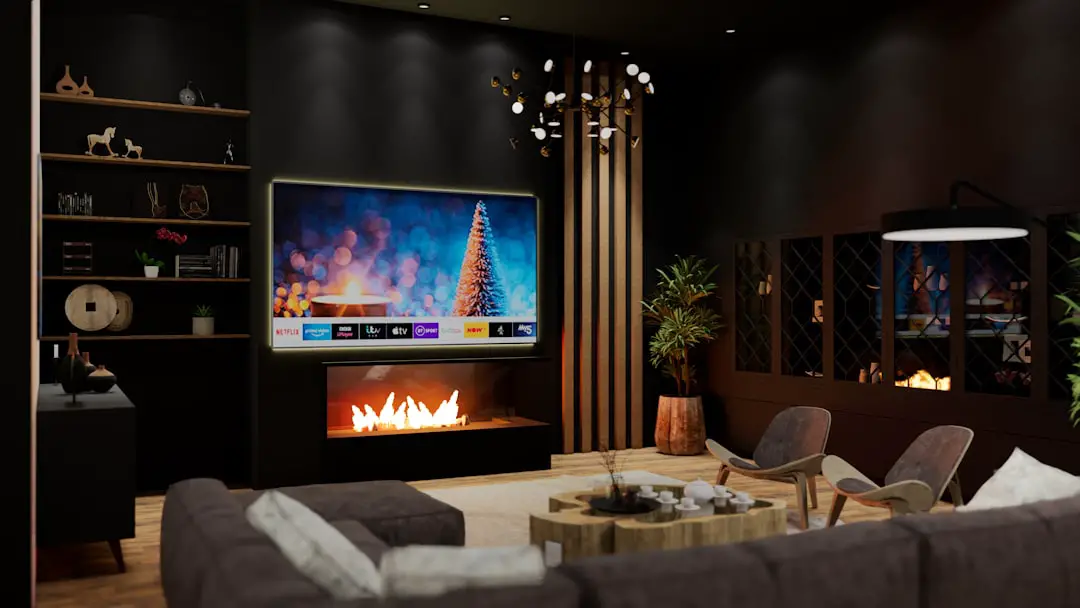
- Movie Night: Lights dim. Curtains close. TV turns on.
- Party Mode: Colorful lights. Loud music. Outdoor speakers activate.
- Bedtime: Lights fade. Doors lock. Thermostat adjusts.
One tap. Everything happens.
This level of control once required expensive custom systems. Now it can be done with simple apps and affordable devices.
Saving Energy and Helping the Planet
Smart homes are not just about comfort. They help the environment too.
Energy monitoring systems show:
- How much electricity you use
- Which devices use the most power
- When usage spikes
Seeing this data changes behavior. You become more aware. You waste less.
Smart irrigation systems water gardens only when needed. They check the weather forecast. No more watering during rain.
Small changes across millions of homes can make a real environmental impact.
Working From Home Gets Smarter
Remote work is now common. Smart homes make it easier.
Smart lighting can reduce eye strain. Smart blinds adjust to block glare. Smart speakers help manage schedules.
You can even create a work routine using automation:
- At 8:55 AM lights brighten
- At 9:00 AM your focus playlist starts
- At 5:30 PM work devices power down
This creates structure. It separates work from personal life. Even inside the same space.
Challenges and Concerns
Of course, smart homes are not perfect.
There are real concerns, such as:
- Privacy – Devices collect data
- Security – Connected systems can be hacked
- Cost – Setup can be expensive
- Complexity – Too many apps can feel overwhelming
The good news? Technology keeps improving. Security updates become stronger. Devices become easier to use. Prices slowly drop.
Like any tool, smart home technology works best when used wisely.
The Psychological Shift
Something interesting is happening. Our relationship with our homes is changing.
Homes used to be passive spaces. Walls. Furniture. Appliances.
Now homes react. They respond. They anticipate needs.
This creates a new feeling. A sense that your environment supports you.
Instead of adjusting to your home, your home adjusts to you.
That changes how we define comfort.
What the Future Might Look Like
Smart homes are still evolving. Future homes may include:
- AI systems that predict needs before you ask
- Health sensors that monitor air quality and sleep
- Appliances that automatically order replacements
- Fully integrated solar and battery systems
Imagine your home noticing you did not sleep well. It adjusts lighting and temperature to help you feel better. It suggests a calm playlist. It even starts coffee a bit stronger.
This may sound extreme. But many pieces of this already exist.
Why People Love Smart Homes
At the heart of it, smart home technology does three main things:
- Saves time
- Improves safety
- Increases comfort
Time is precious. Energy is expensive. Safety matters deeply. If technology improves these areas, people will adopt it.
And they are.
What started with a few smart bulbs has grown into full ecosystems. Systems that connect lighting, heating, security, entertainment, and appliances.
The home is no longer just a place to sleep. It is an active partner in daily life.
Final Thoughts
Smart home technology is changing how we live in small but powerful ways. It simplifies routines. It reduces stress. It adds layers of safety and efficiency.
You do not need to turn your entire house into a futuristic palace. Even one or two smart devices can make life easier.
Start with something simple. A light. A speaker. A thermostat.
Once your home begins responding to you, it is hard to go back.
The smart home is not about showing off gadgets. It is about building a space that works for you. Quietly. Smoothly. Automatically.
And that is a change we can all feel.