Imagine signing up for a mobile plan, switching carriers, or activating service in a new country without ever touching a tiny plastic SIM card. That’s exactly what eSIM technology makes possible. As smartphones, smartwatches, tablets, and even laptops become more advanced, the traditional removable SIM card is gradually being replaced by a more flexible, digital alternative. If you’re new to the concept, this guide will walk you through everything you need to know about eSIMs—how they work, why they matter, and whether they’re right for you.
TLDR: eSIM stands for “embedded SIM” and replaces the physical SIM card with a built-in digital chip inside your device. It allows you to activate mobile plans remotely, switch carriers easily, and manage multiple numbers without swapping cards. eSIMs are secure, convenient, and ideal for travelers and multi-device users. While adoption is still growing, eSIM technology is quickly becoming the new standard in mobile connectivity.
What Is an eSIM?
An eSIM (embedded Subscriber Identity Module) is a small chip built directly into your device. Unlike a traditional SIM card, which you insert and remove physically, an eSIM is programmed digitally. This means you can download your mobile carrier’s profile onto the chip without visiting a store or handling a physical card.
Think of it as a digital SIM card that works entirely through software. Instead of inserting a piece of plastic, you scan a QR code or use a carrier app to activate your plan.
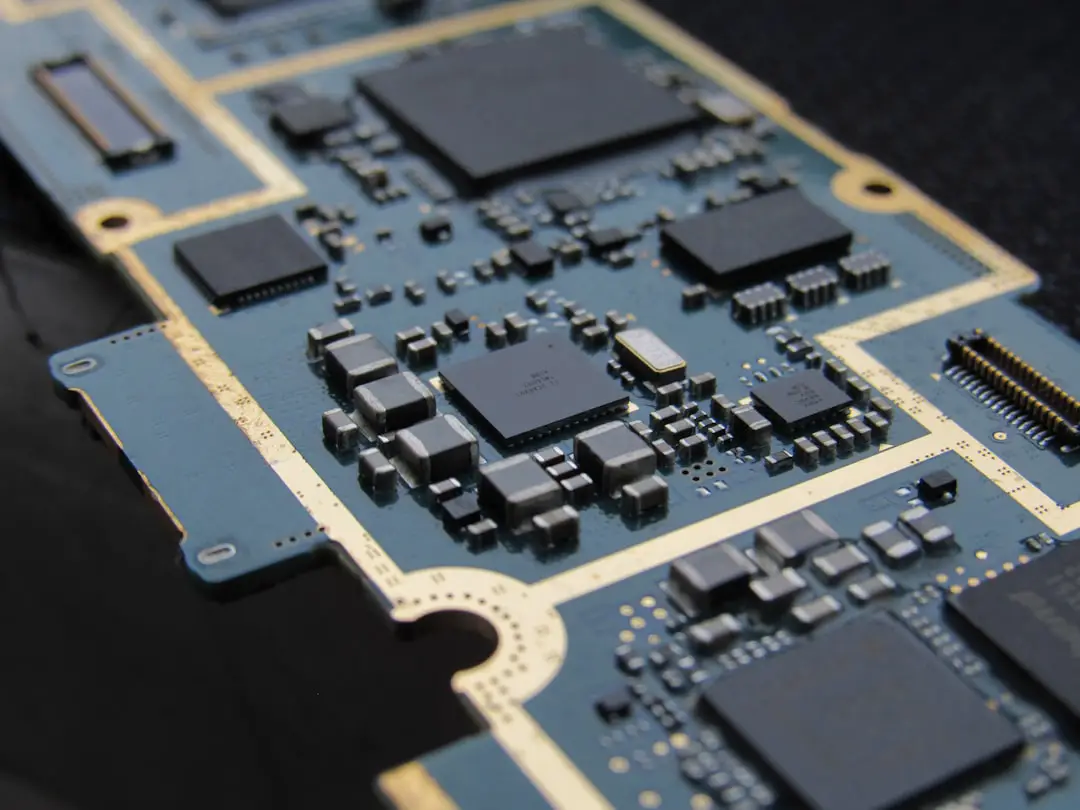
eSIM technology is already available in:
- Modern smartphones
- Smartwatches
- Tablets
- Laptops
- Connected cars
- IoT devices (Internet of Things)
As manufacturers continue to adopt it, eSIM is becoming increasingly common across devices.
How Does eSIM Technology Work?
At its core, an eSIM performs the same function as a physical SIM: it stores your International Mobile Subscriber Identity (IMSI) and connects your device to your carrier’s network. The difference lies in how that information gets onto your device.
Here’s how the process typically works:
- You purchase a mobile plan from a carrier that supports eSIM.
- The carrier provides a QR code or activation instructions.
- You scan the QR code or install the carrier profile via their app.
- Your phone downloads the carrier profile directly to the embedded eSIM chip.
- Your service activates—no physical SIM required.
Because everything is managed digitally, you can switch carriers or add new plans without removing or inserting anything.
eSIM vs. Physical SIM: What’s the Difference?
While both serve the same purpose, there are important differences between the two technologies.
- Physical SIM: A removable plastic card inserted into a tray.
- eSIM: A built-in chip programmed digitally.
Key distinctions include:
- Flexibility: eSIM allows you to switch carriers without swapping cards.
- Convenience: No need to wait for shipping or visit a store.
- Space-saving: Devices can be slimmer since no SIM tray is needed.
- Durability: No physical card means fewer hardware vulnerabilities.
However, some users still prefer physical SIMs for their simplicity and compatibility, especially in regions where eSIM support is limited.
Advantages of eSIM Technology
eSIM technology offers several compelling benefits, especially in today’s increasingly mobile world.
1. Easy Carrier Switching
Switching mobile providers becomes faster and simpler. Instead of waiting for a new SIM card, you can download a new profile within minutes.
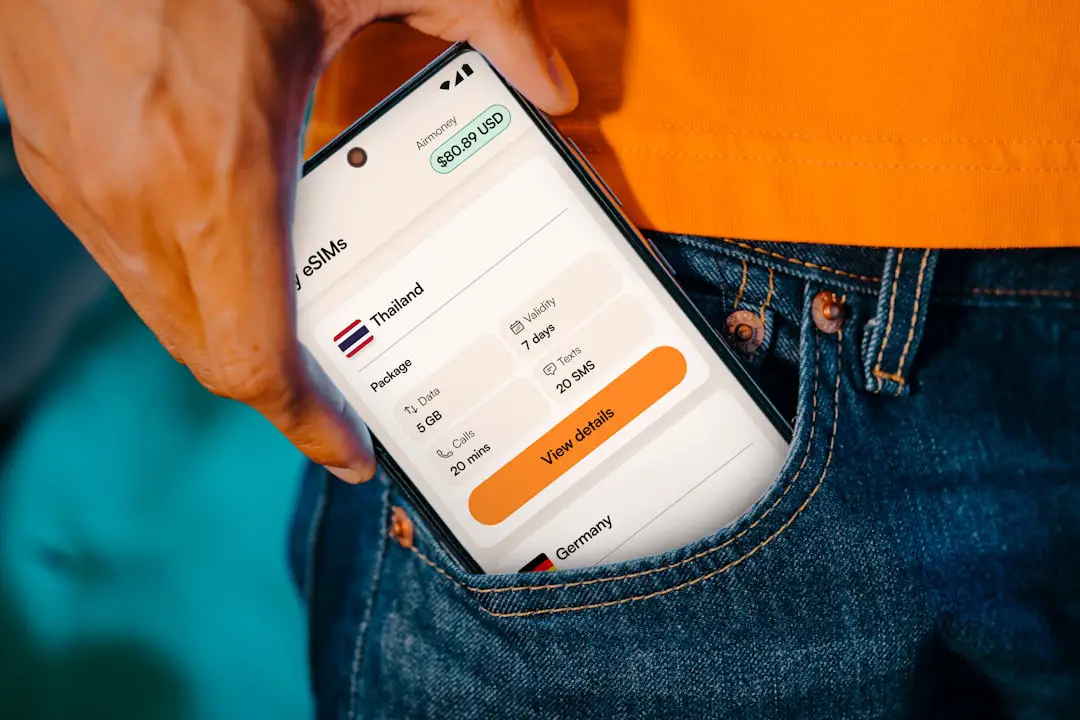
2. Ideal for Travelers
Travelers can purchase local data plans in advance and activate them upon arrival. No searching for kiosks or handling tiny SIM cards at the airport.
3. Multiple Profiles on One Device
Many eSIM devices allow you to store multiple profiles at once. For example:
- One plan for personal use
- One plan for work
- A temporary international data plan
You can switch between profiles directly in your device settings.
4. Increased Security
If your phone is lost or stolen, a removable SIM can be taken out and used elsewhere. An eSIM is embedded, making it harder for thieves to disable tracking features.
5. Better Device Design
Without the need for a SIM tray, manufacturers can free up internal space. This may allow for:
- Larger batteries
- Improved water resistance
- Slimmer devices
Are There Any Downsides?
While eSIM offers many benefits, there are a few considerations:
- Carrier Support: Not all carriers worldwide support eSIM yet.
- Device Compatibility: Older phones may not have eSIM capability.
- Transfer Process: Moving an eSIM between devices can be slightly more complex than swapping a physical card.
- Dependence on Internet Access: Activation often requires Wi-Fi or mobile data.
As adoption increases, many of these limitations are gradually disappearing.
Which Devices Support eSIM?
Most flagship smartphones released in recent years support eSIM, either exclusively or alongside a physical SIM slot (dual SIM functionality). Many smartwatches and cellular-enabled tablets also rely entirely on eSIM technology.
Before switching, check:
- Your device’s specifications
- Your carrier’s eSIM compatibility list
- Regional restrictions
Some devices even support dual eSIM, allowing you to run two digital lines simultaneously.
Using eSIM for International Travel
One of the most popular uses of eSIM technology is international travel. Instead of paying high roaming fees, travelers can purchase local or regional eSIM data plans.
Here’s why it’s so attractive:
- Instant activation
- No language barrier at local stores
- No risk of losing your main SIM card
- Competitive prepaid data pricing
You can keep your primary number active for calls and texts while using a separate eSIM plan for data abroad.
Image not found in postmetaHow to Set Up an eSIM (Step-by-Step Overview)
While the exact instructions vary by device, the general steps look like this:
- Go to your device’s Mobile Network settings.
- Select Add Mobile Plan or Add eSIM.
- Scan the QR code provided by your carrier.
- Confirm the activation details.
- Choose your default line for calls, texts, and data.
Within minutes, your device should connect to the carrier’s network.
Is eSIM Safe?
Yes, eSIM technology is considered secure. In fact, it may offer enhanced security compared to traditional SIM cards.
Because the SIM profile is installed digitally and stored securely in the device hardware:
- It cannot be physically removed.
- Profiles are encrypted.
- Activation typically requires authentication.
Additionally, remote SIM provisioning standards are regulated by the GSMA (Global System for Mobile Communications Association), which ensures security protocols are followed industry-wide.
The Future of eSIM
The move toward eSIM is part of a larger trend toward fully digital experiences. Some manufacturers have already released phones without physical SIM trays in certain markets. As networks expand and consumer awareness grows, eSIM could eventually become the default standard worldwide.
We may also see broader applications in:
- Connected vehicles
- Smart home systems
- Industrial IoT solutions
- Wearable health devices
In the long term, eSIM technology supports the vision of seamless, global connectivity where devices can automatically switch to the best available network without user intervention.
Should You Switch to eSIM?
If your device and carrier support it, switching to eSIM can offer meaningful advantages. It’s especially useful if you:
- Travel internationally
- Manage separate work and personal numbers
- Enjoy early adoption of new technology
- Prefer digital convenience over physical hardware
However, if you frequently switch devices or rely on carriers that don’t support eSIM, you may prefer to keep using a physical SIM—at least for now.
Final Thoughts
eSIM technology represents a significant shift in how we connect to mobile networks. By eliminating the need for physical SIM cards, it simplifies plan activation, improves flexibility, and supports a more connected global lifestyle. While not yet universal, its rapid adoption suggests that it may soon become the new normal.
For beginners, the key takeaway is simple: eSIM is a digital, more convenient version of the traditional SIM card. As smartphones and connected devices evolve, eSIM technology is poised to play a central role in shaping the future of communication.
The tiny plastic SIM card has served us well for decades—but its digital successor is ready to take the lead.