Remote work has changed the way professionals introduce themselves, build trust, and follow up after a conversation. When meetings happen through video calls, online events, Slack communities, webinars, and hybrid conferences, the traditional paper business card is no longer enough. For many remote professionals, a digital business card has become a practical networking asset: easy to share, simple to update, and far more measurable than a printed card.
TLDR: Digital business cards help remote professionals share contact details quickly, manage follow-ups, and present a consistent professional identity across online and offline channels. The five tools below—HiHello, Blinq, Popl, Mobilo, and Linq—are widely used because they combine QR codes, mobile sharing, contact management, and team-friendly features. The best choice depends on whether you need personal branding, sales enablement, event networking, analytics, or enterprise controls.
Why Digital Business Cards Matter for Remote Networking
Networking used to begin with a handshake and a physical card. Today, it often starts with a calendar invite, a LinkedIn message, a Zoom breakout room, or a quick conversation at a hybrid event. In this environment, professionals need a way to share accurate details without friction. A digital card can include a phone number, email address, job title, website, portfolio, social profiles, booking link, and even a short personal introduction.
The importance of this shift is reflected in how often remote professionals now rely on mobile-first tools. While the exact percentage varies by industry and survey method, the broader pattern is clear: a large majority of remote and hybrid workers use digital tools to make networking faster and more organized. The often-cited figure of 76% points to a practical reality—remote professionals increasingly prefer tools that help them connect immediately and follow up intelligently.
Unlike paper cards, digital cards can be updated instantly. If your title changes, your website is redesigned, or your company updates its branding, you do not need to reorder anything. A single edit can refresh your card across QR codes, links, NFC tags, and email signatures. This is particularly valuable for consultants, recruiters, founders, sales teams, and freelancers whose contact information and offerings evolve frequently.
What to Look for in a Serious Digital Business Card Tool
Before choosing a platform, it is useful to evaluate the features that matter most in a professional setting. A polished card is important, but reliability, privacy, and follow-up capability are just as critical.
- Contact sharing options: Look for QR codes, links, email signatures, Apple Wallet or Google Wallet support, and NFC compatibility.
- Ease of updating: A good platform should allow you to edit your details quickly without technical knowledge.
- Lead capture: Strong tools let recipients exchange their own details, not just view yours.
- CRM integration: Sales and recruiting teams often need contacts to sync with platforms such as Salesforce, HubSpot, or Google Contacts.
- Analytics: View counts, link clicks, and engagement data help professionals understand which connections are active.
- Team management: Companies need centralized controls for branding, templates, permissions, and employee onboarding.
- Privacy and security: Serious users should review data handling, access controls, and compliance features before committing.
1. HiHello: A Strong All-Purpose Option for Professionals and Teams
HiHello is one of the most recognized digital business card platforms, particularly among professionals who want a clean presentation and flexible sharing options. It supports QR code sharing, email signatures, virtual backgrounds, and mobile app access, making it useful for both in-person events and remote meetings.
One of HiHello’s strengths is its balance between personal use and team functionality. Individual users can create a polished card with links, photos, and social profiles, while companies can manage employee cards through branded templates. This helps maintain consistency across departments, which is important when employees represent the same company in different markets or channels.
Best for: remote professionals, consultants, small teams, and companies that want a professional card without unnecessary complexity.
Serious consideration: HiHello is particularly useful if you want a card that works well in email signatures and video meetings. However, larger teams should review administrative features and integration needs before scaling it company-wide.
2. Blinq: Fast Sharing with a Professional Experience
Blinq is known for speed, simplicity, and a modern user experience. It allows professionals to share their card through a QR code, link, NFC card, Apple Watch, widgets, and email signatures. For remote professionals who attend frequent virtual events, Blinq’s ease of sharing can reduce the awkwardness of exchanging details in a fast-moving conversation.
The platform is also strong for teams. Businesses can create standardized card designs, manage employees, and ensure that contact details remain current. This makes Blinq a practical choice for sales teams, recruiters, customer success professionals, and executives who need to present a consistent brand image.
Another advantage is that recipients do not necessarily need the app to view a card. This is important because networking tools should not create barriers. If a prospect, partner, or candidate needs to download an app before seeing your details, the connection may lose momentum.
Best for: professionals who value speed, elegant design, and frictionless contact sharing.
Serious consideration: Blinq is a strong option when first impressions matter, but users should compare pricing tiers carefully if they need advanced analytics or multiple team controls.
3. Popl: Strong for Events, Sales, and Lead Capture
Popl is often associated with NFC-enabled products such as cards, badges, stickers, and wristbands, but its software platform is the more important part for professional networking. It is especially useful for people who attend conferences, trade shows, recruiting fairs, and hybrid events where speed and lead capture matter.
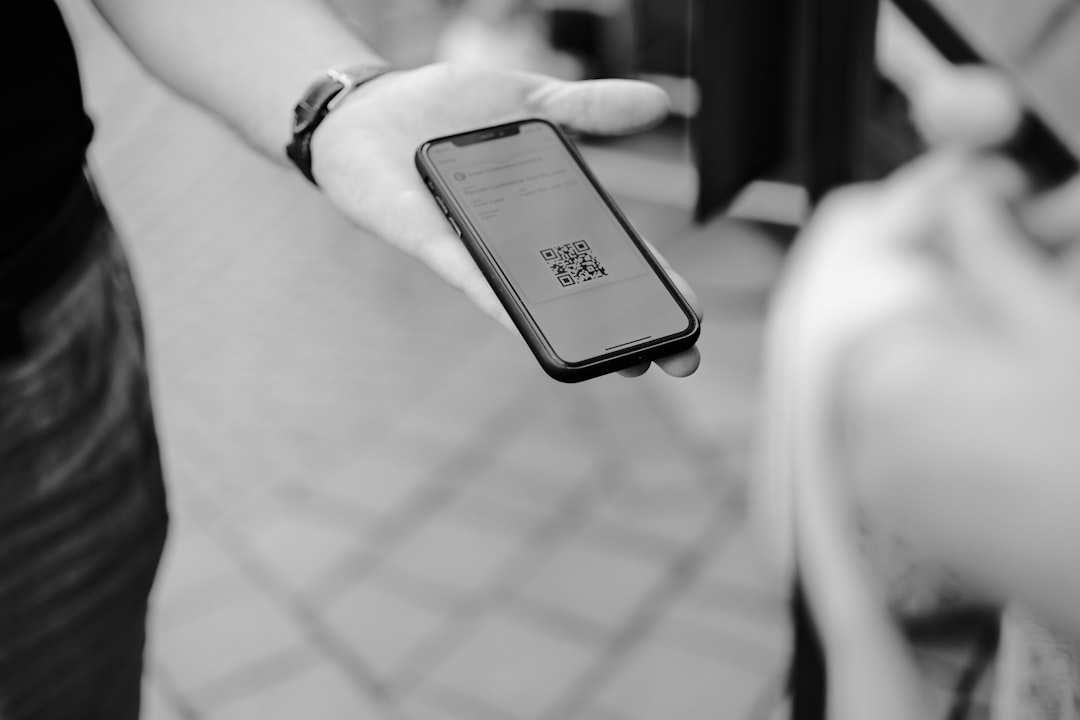
Popl allows users to share a profile through NFC or QR code and collect information from others through forms. This makes it more than a digital replacement for a paper card. It becomes a lightweight lead capture tool. For sales teams, that distinction is important: the goal is not simply to share your details, but to create an actionable record of the conversation.
Popl also offers integrations with CRM and marketing tools, depending on the plan. For organizations that measure pipeline, event return on investment, or campaign performance, this can be a significant advantage. Instead of returning from an event with a stack of cards and incomplete notes, professionals can move new contacts directly into a structured workflow.
Best for: sales teams, field marketers, recruiters, event attendees, and professionals who rely on in-person or hybrid networking.
Serious consideration: Popl’s hardware options are useful, but buyers should avoid choosing based on the physical product alone. The real value comes from how well the platform captures, organizes, and exports contact data.
4. Mobilo: Built for Teams That Care About Control and Sustainability
Mobilo positions itself as a smart business card solution for companies and teams. It offers NFC cards and digital profiles, but it is especially relevant for organizations that want employee-level management, lead generation features, and brand consistency.
One notable aspect of Mobilo is its emphasis on replacing paper business cards at scale. For companies focused on sustainability, reducing printed materials can align with broader environmental goals. Instead of ordering boxes of cards that may become outdated, companies can provide employees with reusable digital cards that can be updated centrally.
Mobilo also supports different modes, such as business card sharing, lead generation, and links to specific landing pages. This flexibility can help teams adapt the same tool for different contexts. A sales representative may use it to capture leads, while a founder may use it to share a company overview, and an HR professional may use it to direct candidates to open roles.
Best for: companies, enterprise teams, sustainability-focused organizations, and professionals who want NFC cards with centralized management.
Serious consideration: Mobilo is most compelling when used across a team. Individual users may still benefit, but the strongest value appears when businesses standardize networking tools and track usage consistently.
5. Linq: Flexible Profiles for Creators, Entrepreneurs, and Professionals
Linq is a versatile digital business card platform that combines profile customization, QR sharing, NFC products, and analytics. It is popular with entrepreneurs, creators, real estate professionals, coaches, and independent consultants who want a card that functions like a compact personal landing page.
Linq profiles can include multiple links, embedded content, social media accounts, payment links, booking pages, and other resources. For remote professionals who sell expertise or services, this flexibility is valuable. A simple card with only a phone number and email may not be enough; prospects often want to see examples, testimonials, case studies, or scheduling options.
The platform also supports teams, although its appeal is particularly strong for individuals who care about presenting a broader personal brand. It allows users to create an experience that goes beyond contact exchange and encourages recipients to take a next step.
Best for: entrepreneurs, creators, consultants, real estate agents, coaches, and professionals who need a flexible profile page.
Serious consideration: Linq’s customization is useful, but professionals should avoid overloading their card with too many links. A serious digital card should guide the recipient toward a clear action, not overwhelm them.
How Remote Professionals Can Use Digital Cards More Effectively
Choosing a tool is only the first step. The larger advantage comes from using it deliberately. A digital business card should support your networking process, not simply exist as another link in your bio.
- Add it to your email signature. This gives every message a simple path to your updated contact details.
- Use it in video meetings. Place the QR code in your virtual background or share it in the chat after introductions.
- Connect it to your calendar link. If the goal is follow-up, make scheduling easy.
- Include only relevant links. Prioritize your website, LinkedIn profile, portfolio, booking page, or company page.
- Review analytics monthly. Engagement data can show which events, channels, or conversations created interest.
- Update it whenever your role changes. Outdated information damages credibility and creates unnecessary friction.
Privacy, Trust, and Professional Standards
Because digital business cards involve personal data, professionals should treat them seriously. Review what information is public, what data the provider collects, and whether contacts can be exported or deleted easily. For companies, it is also important to define internal guidelines: which links are approved, what branding must be used, and who can access lead data.
Trustworthy networking depends on clarity. Do not use a digital card to capture someone’s details without making the exchange obvious. If you use lead forms, explain why you are requesting information and how you will follow up. This is especially important in regulated industries, enterprise sales, recruiting, finance, and healthcare-related fields.
Final Thoughts
Digital business cards have become a practical networking standard for remote and hybrid professionals because they solve a real problem: how to exchange accurate, useful information when conversations happen across many channels. HiHello and Blinq are strong general-purpose choices, Popl is particularly effective for events and lead capture, Mobilo is well suited to managed teams, and Linq offers flexibility for personal brands and independent professionals.
The smartest choice is not necessarily the tool with the most features. It is the one that fits your workflow, protects your data, supports timely follow-up, and presents you professionally. For the growing share of remote professionals who rely on digital-first networking, a well-maintained digital business card is no longer a novelty. It is a serious part of modern professional communication.