QR code stickers have become a practical bridge between physical spaces and digital experiences. When used thoughtfully, they can help businesses share information, collect leads, improve customer service, increase engagement, and measure campaign performance. The key is to place them where people already have attention and to connect each scan with a clear, useful action.
TLDR: QR code stickers are effective when they offer immediate value, such as discounts, product details, event check-ins, menus, reviews, or support resources. The best uses are simple, clearly labeled, and placed in high-visibility locations where scanning feels natural. For marketing, retail, and events, QR stickers should always lead to mobile-friendly pages and be tracked to measure results.
Why QR Code Stickers Work
Unlike printed brochures or static signs, QR code stickers give businesses the ability to connect offline audiences with online content instantly. A customer can scan a small sticker on a product, window, table, package, badge, or display and be taken directly to a landing page, video, form, offer, or checkout page.
The value of QR code stickers is not just convenience. They are also cost-effective, flexible, and measurable. A sticker can be produced in bulk, placed almost anywhere, and updated digitally if the QR code is dynamic. This makes them useful for campaigns that change frequently, seasonal promotions, event schedules, customer feedback programs, and retail product education.
However, a QR code sticker should never be treated as decoration. It should have a defined purpose, a short call to action, and a destination that works well on mobile devices. Below are ten practical ideas that can be applied across marketing, retail, hospitality, trade shows, conferences, pop-up shops, and community events.
1. Product Information Stickers
Retailers can use QR code stickers on product packaging, shelf tags, or display units to give customers more information than a small label can hold. A scan could lead to product specifications, sizing guides, ingredient lists, customer reviews, comparison charts, warranty details, or usage instructions.
This is especially useful for products that require explanation, such as electronics, skincare, furniture, supplements, tools, and specialty foods. Instead of relying on staff availability, customers can access accurate information immediately.
- Best placement: Product packaging, shelf labels, display stands, or hang tags.
- Suggested call to action: Scan for details or Compare features.
- Best destination: A clean mobile product page with concise information.
For higher-value purchases, this type of sticker can reduce hesitation and support more confident buying decisions.
2. Discount and Coupon Stickers
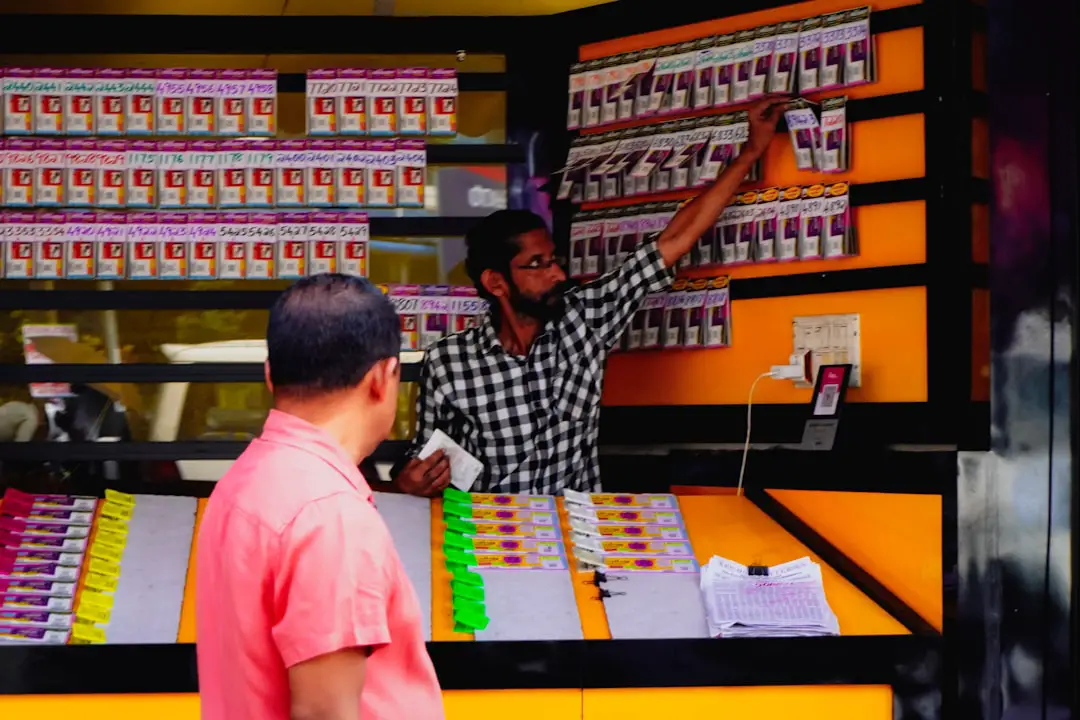
QR code stickers can turn ordinary surfaces into promotional touchpoints. A sticker on a storefront window, shopping bag, receipt, product package, or counter display can invite customers to scan for a limited-time discount or exclusive offer.
The offer should be specific and easy to redeem. For example, a customer might scan a sticker to receive 10% off their next purchase, join a loyalty program, or unlock a bundle deal. This approach works well because it gives customers a clear reason to scan.
To improve results, use trackable QR codes so you can measure which sticker locations generate the most scans and conversions. This information can help refine future promotions and identify the most effective in-store marketing areas.
3. Event Check-In Stickers
For events, QR code stickers can simplify check-in and reduce delays at registration desks. Stickers can be placed at entry points, reception tables, signage boards, or printed materials. Attendees scan the code to confirm attendance, access their ticket, complete registration, or receive a digital badge.
This idea is practical for conferences, workshops, networking events, concerts, exhibitions, school events, charity functions, and community gatherings. A well-placed QR sticker can make the check-in process faster and more organized.
- Best placement: Entrance signs, registration counters, attendee folders, or welcome boards.
- Suggested call to action: Scan to check in.
- Best destination: A simple check-in form or event registration page.
For busy events, consider placing several QR stickers in different visible areas to avoid crowding around one location.
4. Restaurant Menu and Ordering Stickers
Restaurants, cafés, bars, food trucks, and catering companies can use QR code stickers to provide digital menus and ordering options. These stickers are commonly placed on tables, counters, windows, trays, takeaway packaging, or menu boards.
A digital menu can be updated quickly when items sell out, prices change, or seasonal specials are introduced. It can also include photos, allergen details, nutrition information, pairing suggestions, and language options.
For dine-in settings, QR stickers can link to table ordering or bill payment. For takeaway businesses, they can lead to online ordering, delivery options, or loyalty sign-ups. The experience should be fast, clearly organized, and easy to read on a phone.
5. Customer Review Stickers
Reviews influence buying decisions, especially for local businesses. QR code stickers can make it easier for satisfied customers to leave feedback immediately after a positive experience. Place them near checkout counters, on receipts, packaging, appointment cards, service vehicles, or thank-you notes.
The sticker should use a clear message such as Scan to leave a review or Tell us how we did. Avoid pressuring customers or offering incentives that may violate review platform policies. The goal is to reduce friction and direct customers to the correct review page.
This is valuable for retailers, salons, dentists, repair services, restaurants, hotels, fitness studios, and professional service providers. Over time, consistent review collection can improve credibility and local search visibility.
6. Lead Capture Stickers at Trade Shows
At trade shows and exhibitions, QR code stickers can help capture leads without relying only on business card exchanges or manual forms. Stickers can be placed on booth walls, product displays, brochures, staff badges, sample packaging, or promotional giveaways.
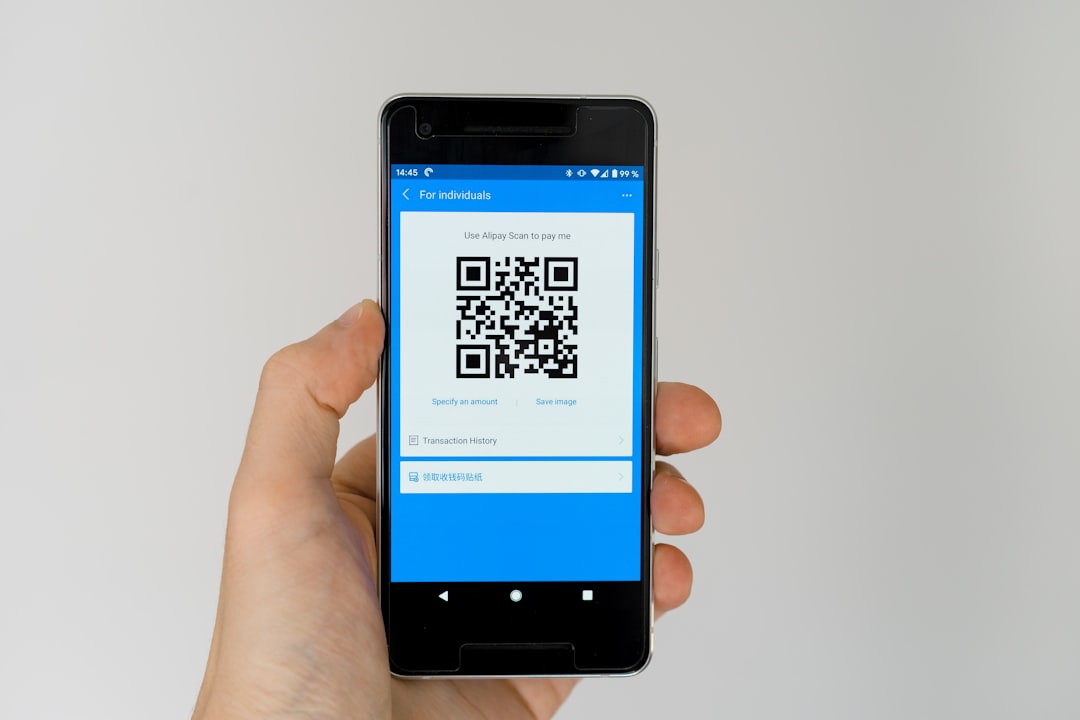
A scan might lead to a contact form, product catalog, consultation booking page, demo request, or downloadable guide. To encourage participation, offer something useful in return, such as a price list, technical sheet, event-only offer, or educational resource.
For professional events, the landing page should look credible and be brief. Asking for too much information can reduce form completion rates. In many cases, name, company, email, and interest area are enough for initial follow-up.
7. Packaging Stickers for Post-Purchase Engagement
Product packaging is one of the most valuable places for a QR code sticker because the customer has already made a purchase. This is an ideal moment to encourage deeper engagement, repeat sales, product education, or brand loyalty.
A packaging sticker can link to setup instructions, care guides, recipe ideas, refill orders, subscription options, loyalty programs, warranty registration, or customer support. For example, a coffee brand could link to brewing tips, while a home goods brand could link to care instructions and styling ideas.
- Best placement: Boxes, jars, bottles, bags, product inserts, or shipping labels.
- Suggested call to action: Scan for setup tips, Register your product, or Get more from your purchase.
- Best destination: A helpful post-purchase page, not a generic homepage.
This approach shows that the brand is still supporting the customer after the sale, which can improve trust and retention.
8. Social Media Follow Stickers
QR code stickers can help move offline customers into a brand’s online community. Instead of asking people to search for your profile manually, a QR sticker can take them directly to a social media page, link hub, video channel, or campaign hashtag.
This works well in retail stores, cafés, gyms, salons, studios, hotels, event spaces, and pop-up shops. It can also be useful on packaging, flyers, postcards, and giveaway items.
For better results, explain why someone should follow. Instead of simply saying Follow us, use a more specific message such as Scan for new arrivals, See styling ideas, Get event updates, or Join our community.
Social media QR stickers are most effective when the account is active and offers useful content. If the profile has not been updated regularly, it may not support a strong first impression.
9. Wayfinding and Event Schedule Stickers
Large events, shopping centers, campuses, museums, festivals, and conferences can use QR code stickers for wayfinding and schedule access. A sticker can link to a digital map, session schedule, exhibitor directory, parking guide, emergency information, or accessibility details.
This reduces the need for large printed programs and allows organizers to update information in real time. If a session room changes or a speaker schedule is revised, a dynamic QR code can direct attendees to the latest version.
Placement is important. Put stickers at decision points, such as entrances, elevators, hallway intersections, registration desks, information booths, food areas, and session room doors. Attendees are most likely to scan when they need direction or timing information immediately.
10. Customer Support and Instruction Stickers
QR code stickers can reduce support requests by giving customers quick access to self-service resources. They can be placed directly on equipment, appliances, machines, packaging, manuals, rental items, or service areas.
A scan can open installation instructions, troubleshooting guides, safety videos, maintenance schedules, contact forms, live chat, or spare parts ordering pages. This is especially useful for products or services that require ongoing use, assembly, cleaning, calibration, or compliance steps.
For example, a printer rental company could place a QR sticker on each machine linking to toner replacement instructions and service requests. A fitness equipment brand could link to assembly videos and exercise safety guidance. A property manager could place QR stickers in laundry rooms or shared facilities for maintenance reporting.
This idea is practical because it serves both the customer and the business. Customers get help faster, while the business reduces repetitive support questions and improves service efficiency.
Best Practices for QR Code Sticker Campaigns
Even strong QR code ideas can underperform if the execution is poor. To make QR code stickers reliable and professional, follow a few essential best practices.
- Use a clear call to action: Tell people exactly what they will get after scanning. A plain QR code without context is less likely to be used.
- Make the destination mobile-friendly: Most scans happen on phones, so pages must load quickly and display properly on small screens.
- Test before printing: Check every QR code from different phones, angles, distances, and lighting conditions.
- Choose the right size: A sticker on a product can be smaller than one on a window or event sign. Make sure the code is large enough to scan comfortably.
- Protect against damage: Use durable materials for outdoor, high-touch, refrigerated, or industrial environments.
- Track performance: Use analytics where possible to understand scan volume, location performance, and conversion rates.
- Keep the design readable: Avoid clutter, low contrast, or placing codes over busy backgrounds.
Common Mistakes to Avoid
A serious QR code strategy requires more than printing a code and placing it anywhere. Some common mistakes can reduce trust and engagement.
First, avoid linking to a generic homepage unless it is genuinely the most useful destination. A customer who scans for a discount, menu, or event schedule expects to land directly on that content. Second, do not place stickers where scanning is unsafe or inconvenient, such as moving vehicles, crowded walkways, or areas with poor lighting. Third, avoid using QR codes without explaining the value of the scan.
It is also important to keep the linked content current. An expired promotion, outdated menu, broken form, or missing event page can make the business look careless. Assign responsibility for checking codes regularly, especially during active campaigns.
Final Thoughts
QR code stickers are a practical and affordable way to connect physical environments with digital actions. For marketing, they can turn packaging, windows, flyers, and displays into measurable campaign tools. For retail, they can support product education, reviews, discounts, and loyalty. For events, they can improve check-in, navigation, scheduling, and lead capture.
The most effective QR code stickers are not just visible; they are useful. They give people a clear reason to scan, lead to a relevant mobile experience, and support a business goal that can be measured. When planned carefully, QR code stickers can become a dependable part of a professional marketing, retail, or event strategy.