Website builders have evolved far beyond simple drag-and-drop tools. Today, they offer powerful design capabilities that rival custom development, giving users the freedom to create visually compelling and highly customized websites. Whether someone is a small business owner, creative professional, or enterprise team, choosing a platform with strong design flexibility can make the difference between a generic site and a standout digital presence.
TLDR: The best website builders for design flexibility allow users to customize layouts, typography, animations, and code without heavy limitations. Platforms like Wix, Webflow, Squarespace, and WordPress.com stand out for their adaptability and creative control. The right choice depends on skill level, project complexity, and how much hands-on control the user wants. Below is a detailed breakdown of 12 website builders that offer the most creative freedom.
What Makes a Website Builder Design-Flexible?
Design flexibility refers to how much control a user has over a site’s layout, visual styling, and functionality. This includes:
- Drag-and-drop freedom without rigid grid constraints
- Advanced typography and color controls
- Custom CSS and code access
- Responsive design editing for different devices
- Animation and interaction control
- Template customization depth
The following platforms stand out in these areas.
1. Wix
Wix is widely known for its design freedom. Unlike structured grid systems, Wix allows users to place elements almost anywhere on the page.
Key strengths:
- True drag-and-drop editing
- Advanced animation tools
- Wix Studio for more advanced control
- Custom CSS and Velo development options
It is ideal for creatives who want visual freedom without diving too deep into code.
2. Webflow
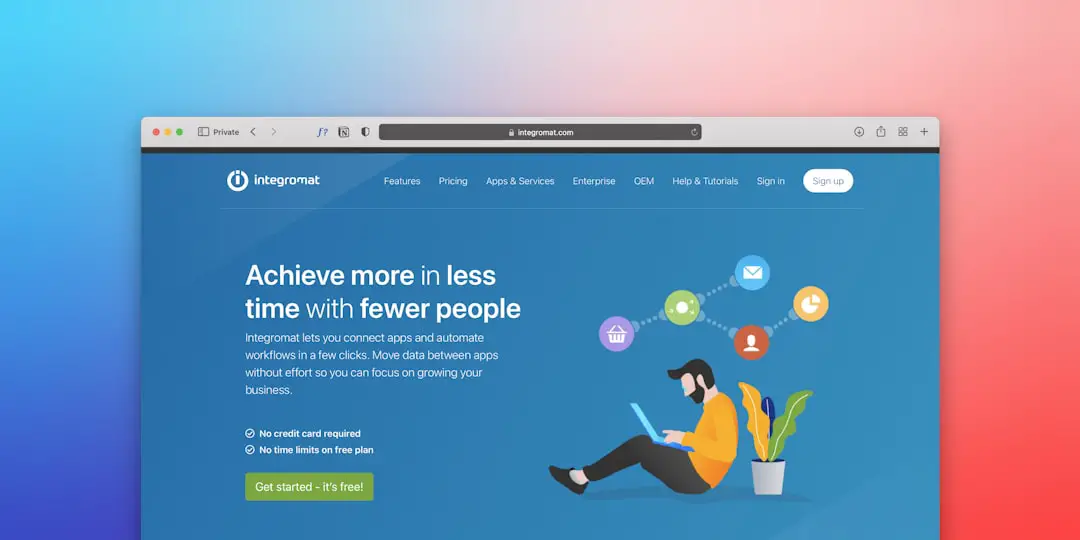
Webflow offers near-developer-level design precision. It combines visual editing with full CSS-style control.
Key strengths:
- Advanced layout and positioning
- Interaction and animation builder
- Full responsive control
- Clean code export
Designers who understand web structure often favor Webflow because it balances creativity with technical depth.
3. Squarespace
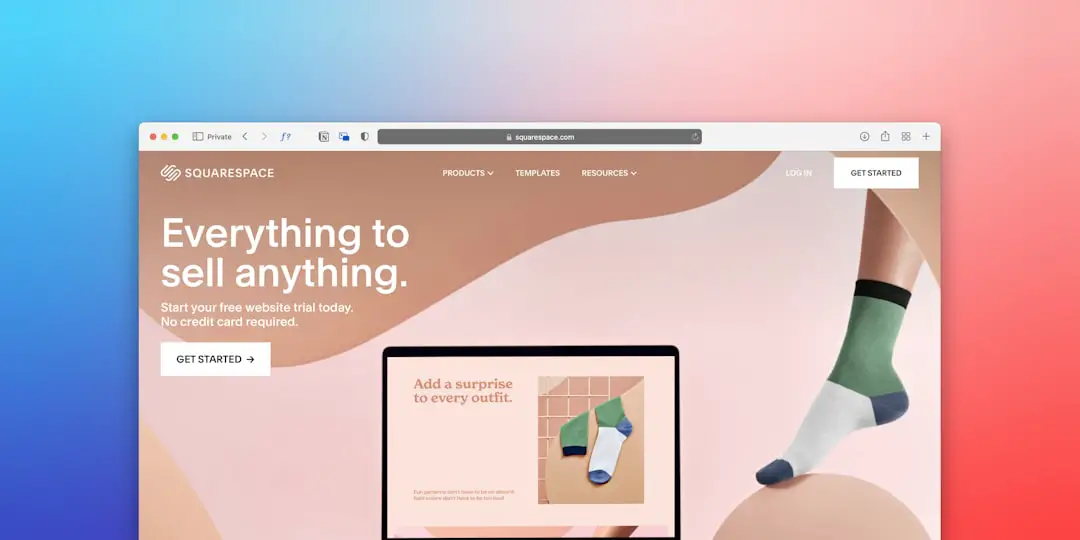
Squarespace is known for elegant templates and refined aesthetics. While more structured than Wix, it still provides strong customization options.
Key strengths:
- Modern, design-forward templates
- Built-in style editor
- Custom CSS access
- Fluid Engine drag-and-drop system
It suits users seeking polished visuals with moderate flexibility.
4. WordPress.com (with block editor)
WordPress.com provides powerful design control, especially when using premium plans.
Key strengths:
- Block-based editing
- Thousands of themes
- Custom CSS
- Extensive plugin ecosystem
For maximum flexibility, users often choose advanced plans that allow theme and layout modifications.
5. Shopify
While primarily an ecommerce platform, Shopify offers strong design capabilities.
Key strengths:
- Customizable themes
- Liquid templating language
- App-based design extensions
- Mobile editing controls
Its flexibility expands significantly with theme customization and developer access.
6. Duda
Duda focuses on professional web designers and agencies.
Key strengths:
- Responsive design editing
- Team collaboration tools
- Client personalization features
- Widget builder
It is highly flexible while maintaining structure for scalability.
7. Weebly
Weebly provides solid customization while remaining beginner-friendly.
Key strengths:
- Simple drag-and-drop builder
- Theme editing options
- HTML/CSS editing access
Though not as advanced as others, it serves users who want straightforward customization.
8. Editor X
Editor X, built by Wix, is aimed specifically at designers.
Key strengths:
- Advanced responsive breakpoints
- Flexbox-style layouts
- Grid-based precision design
- Custom interactions
It provides greater layout sophistication compared to standard Wix.
9. Framer
Framer emphasizes interactive and modern web experiences.
Key strengths:
- Smooth animations
- Component-based design
- Real-time collaboration
- Code overrides for advanced users
It’s popular among startups and tech companies aiming for cutting-edge visuals.
10. Zyro
Zyro combines simplicity with AI-powered design tools.
Key strengths:
- Easy template customization
- AI layout suggestions
- Brand style integration
It is less flexible than Webflow or Wix but still adaptable for small businesses.
11. Jimdo
Jimdo offers guided website creation with room for personalization.
Key strengths:
- Style adjustments
- Custom layouts within themes
- Mobile optimization tools
Best for users who want moderate customization without technical complexity.
12. GoDaddy Website Builder
GoDaddy’s builder emphasizes speed and convenience but includes respectable design tools.
Key strengths:
- Section-based editing
- Theme customization
- Built-in marketing integrations
While structured, it allows consistent brand styling with ease.
Comparison Chart
| Website Builder | Drag & Drop Freedom | Custom Code Access | Responsive Control | Best For |
|---|---|---|---|---|
| Wix | High | Yes | Moderate | Creative individuals |
| Webflow | Advanced | Yes | Full control | Professional designers |
| Squarespace | Moderate | Yes | Built-in optimization | Brand-focused sites |
| WordPress.com | Block-based | Yes (premium) | Theme dependent | Content-heavy sites |
| Shopify | Structured | Yes | Theme dependent | Ecommerce stores |
| Duda | Moderate | Limited | Advanced | Agencies |
| Weebly | Simple | Yes | Basic | Beginners |
| Editor X | Advanced grid | Yes | Full breakpoint control | Design professionals |
| Framer | Component-based | Yes | Strong | Tech startups |
| Zyro | Moderate | No | Basic | Small businesses |
| Jimdo | Moderate | Limited | Automatic | Personal sites |
| GoDaddy | Section-based | No | Automatic | Fast launches |
Choosing the Right Platform
The most flexible platform depends largely on user needs and technical comfort. Designers who crave pixel-perfect customization may lean toward Webflow or Editor X. Entrepreneurs focused on ease of use may prefer Wix or Squarespace. Ecommerce brands often find Shopify to provide the right balance of design and functionality.
Flexibility should also be balanced with usability. Too many customization options can overwhelm beginners, while overly rigid structures may frustrate experienced designers. Evaluating workflow, scalability, and available integrations is just as important as visual control.

FAQ
1. Which website builder offers the most design flexibility overall?
Webflow is often considered the most flexible due to its advanced layout controls, animation features, and code-level customization. However, it requires a steeper learning curve.
2. What is the best option for beginners who still want creative control?
Wix strikes a strong balance between ease of use and design freedom, making it ideal for beginners who want room to experiment visually.
3. Can these builders support fully custom designs without templates?
Yes. Platforms like Webflow, Editor X, and Wix allow users to build from a blank canvas, offering near-complete creative freedom.
4. Do flexible website builders affect website speed?
Design-heavy features like animations and large media files can impact performance. However, most major platforms optimize hosting and code structure to maintain speed.
5. Are these platforms suitable for mobile design?
Most modern website builders include responsive editing tools or automatic mobile optimization. Editor X and Webflow offer the most granular mobile control.
6. Is coding knowledge required for maximum flexibility?
Not necessarily. Many platforms allow visual customization without code. However, coding knowledge enhances design flexibility and precision on platforms like Webflow and Shopify.
By understanding each builder’s strengths, users can select the platform that aligns best with their creative goals, technical skills, and long-term scalability needs.