Process mining has moved from a specialist analytics discipline to a practical management capability for operations, finance, procurement, customer service, IT, and compliance teams. The best process mining solutions do more than reconstruct workflows from event logs; they help organizations monitor performance, diagnose bottlenecks, validate controls, and prioritize improvement initiatives through custom dashboards that reflect real business goals.
TLDR: The strongest process mining platforms combine reliable data ingestion, advanced process discovery, conformance checking, root-cause analysis, and highly configurable dashboards. Celonis, SAP Signavio, UiPath Process Mining, IBM Process Mining, Apromore, Microsoft Power Automate Process Mining, QPR ProcessAnalyzer, and ARIS Process Mining are among the leading options to evaluate. The right choice depends on your technology environment, governance needs, process complexity, dashboard flexibility, and the ability to turn findings into measurable action.
Why Custom Dashboards Matter in Process Mining
Process mining is most valuable when insights are understandable and actionable for different stakeholders. A chief operating officer may need an executive view of throughput, cost leakage, and service-level performance. A process owner may need a daily dashboard showing rework, exceptions, and automation opportunities. A compliance manager may need evidence of policy deviations, segregation-of-duties risks, or late approvals.
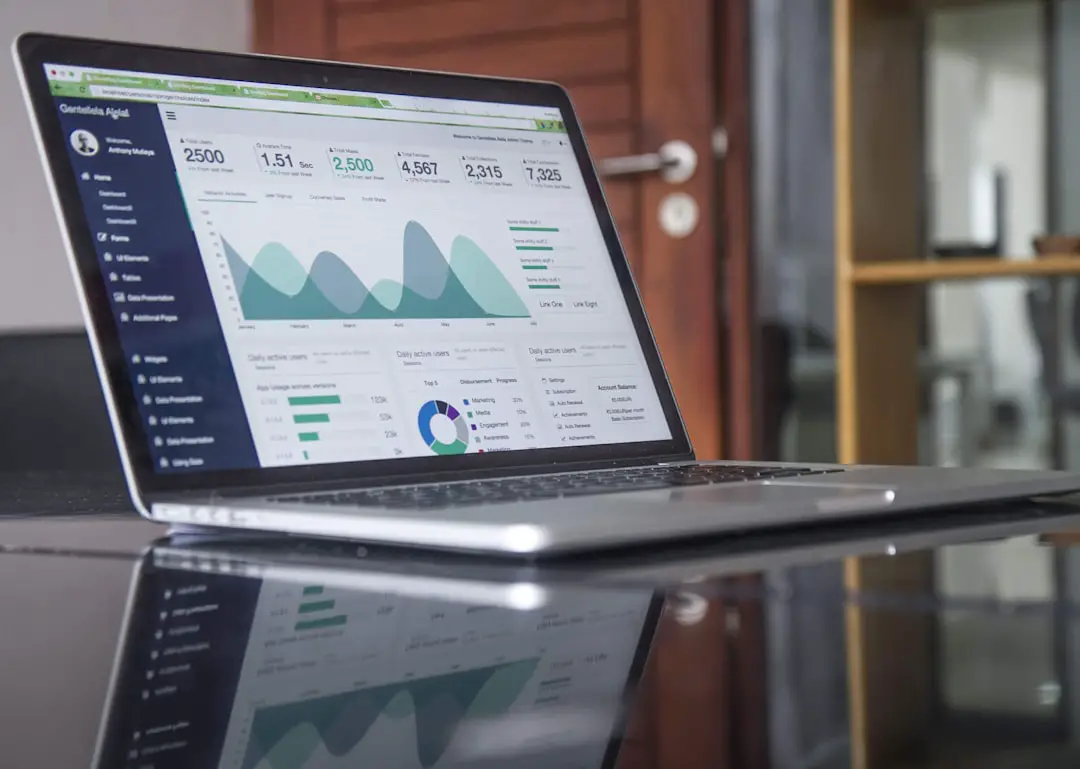
This is why custom dashboards are not a secondary feature. They are central to adoption. Generic process maps can reveal complexity, but tailored dashboards connect that complexity to business outcomes. Effective dashboards usually include:
- Key performance indicators such as cycle time, cost per case, automation rate, and first-time-right percentage.
- Process variants showing how work actually flows compared with the intended model.
- Bottleneck and rework analysis to identify where delays or repeated activities occur.
- Conformance metrics to monitor policy, regulatory, or contractual compliance.
- Filters and drilldowns by region, supplier, product, customer segment, team, system, or case type.
- Operational alerts that notify teams when thresholds are exceeded.

Evaluation Criteria for Process Mining Solutions
Before selecting a platform, organizations should assess more than feature lists. A serious evaluation should consider data readiness, dashboard design, scalability, governance, usability, and implementation effort. The following criteria are particularly important:
- Data connectivity: Ability to ingest data from ERP, CRM, procurement, ticketing, workflow, automation, and legacy systems.
- Event log preparation: Tools for mapping case IDs, activities, timestamps, resources, and attributes without excessive manual work.
- Dashboard customization: Flexibility to build role-specific views, calculations, filters, and visualizations.
- Conformance checking: Capability to compare actual behavior against reference models, policies, or compliance rules.
- Action management: Features that help teams assign, track, and measure improvement initiatives.
- Security and governance: Role-based access, auditability, data privacy controls, and enterprise administration.
- Total cost of ownership: Licensing, implementation, training, data engineering, and ongoing support requirements.
1. Celonis
Celonis is one of the most widely recognized process mining platforms and is often selected by large enterprises with complex, cross-functional processes. It is especially strong in areas such as order-to-cash, procure-to-pay, accounts payable, supply chain, and service operations.
The platform offers extensive dashboarding capabilities, allowing teams to create executive scorecards, operational cockpits, and detailed analytical views. Its strength lies in connecting process intelligence to performance management. Users can monitor bottlenecks, identify value leakage, compare variants, and trigger actions based on defined conditions.
Best for: Large organizations seeking a scalable process intelligence platform with strong analytics, extensive integrations, and mature dashboard customization.
Consider carefully: Celonis can require significant implementation planning, particularly where data landscapes are fragmented. Organizations should ensure they have the internal ownership and data governance needed to sustain value.
2. SAP Signavio Process Intelligence
SAP Signavio Process Intelligence is a strong option for organizations that want to combine process mining with process modeling, governance, and transformation management. It is particularly relevant for companies using SAP environments, although it can also analyze data from other systems.
Its dashboard capabilities support process performance monitoring, variant analysis, compliance tracking, and operational improvement. A major advantage is the connection between mined process data and business process management. Teams can compare documented processes with actual execution and use dashboards to support transformation programs.
Best for: Organizations seeking a process transformation suite that connects mining, modeling, collaboration, and governance.
Consider carefully: Companies should evaluate how much of the broader Signavio suite they need. The strongest value often comes when process mining is integrated with process design and enterprise transformation practices.
3. UiPath Process Mining
UiPath Process Mining is well suited for organizations that want to connect process discovery with automation. Because UiPath is a major robotic process automation provider, its process mining solution is often used to identify automation candidates, measure automation impact, and monitor end-to-end processes.
Custom dashboards can be built to show automation potential, manual effort, exception rates, rework, cycle times, and process deviations. For companies already using UiPath automation, the ability to link process insights with automation execution can be especially useful.
Best for: Organizations pursuing automation-led transformation and looking for a practical bridge between process mining and robotic process automation.
Consider carefully: Process mining should not be limited to automation discovery. Some issues require policy changes, system changes, training, or organizational redesign rather than bots.

4. IBM Process Mining
IBM Process Mining provides process discovery, monitoring, conformance checking, and simulation capabilities within IBM’s broader automation and business operations portfolio. It is designed for organizations that need enterprise-grade analytics and integration with broader transformation initiatives.
Its dashboards support operational monitoring, root-cause analysis, and performance comparison across process variants. IBM’s approach can be particularly valuable for organizations that want process mining to support automation, decision management, and enterprise AI initiatives.
Best for: Enterprises seeking a process mining solution within a broader technology and consulting ecosystem.
Consider carefully: Buyers should assess integration needs, implementation support, and how the platform will fit into existing analytics and automation architectures.
5. Apromore
Apromore is known for its strong academic foundations and practical process mining capabilities. It offers process discovery, conformance checking, predictive monitoring, and dashboarding in a platform that can appeal to both business and analytical users.
Apromore’s custom dashboards allow teams to monitor performance, investigate variants, and analyze exceptions. It is often valued by organizations looking for a balance between advanced process mining functionality and accessible user experience.
Best for: Organizations that want robust process mining features with a clear analytical focus and flexible deployment options.
Consider carefully: As with any platform, the quality of results depends heavily on event log preparation and the availability of meaningful process attributes.
6. Microsoft Power Automate Process Mining
Microsoft Power Automate Process Mining is an attractive option for organizations already invested in Microsoft 365, Power Platform, Azure, and Power BI. It is designed to help teams discover processes, identify inefficiencies, and connect insights to automation opportunities within the Microsoft ecosystem.
One of its key advantages is familiarity. Many organizations already use Microsoft tools for reporting and workflow automation, so process mining can become part of a broader low-code operating model. Custom dashboards can be extended through Power BI, enabling strong visualization and distribution capabilities.
Best for: Organizations standardized on Microsoft technologies that want accessible process mining connected to automation and business intelligence.
Consider carefully: Enterprises with highly complex or specialized process mining requirements should compare depth of mining features against more specialized platforms.
7. QPR ProcessAnalyzer
QPR ProcessAnalyzer is a mature process mining solution with capabilities for discovery, performance analysis, benchmarking, and compliance monitoring. It is often used in finance, procurement, service management, and operational excellence programs.
The platform supports dashboards that help users track process performance over time, compare organizational units, and investigate root causes. It can be a strong choice for organizations that want both process mining and performance management perspectives.
Best for: Companies looking for a focused, established process mining solution with strong analytical and monitoring capabilities.
Consider carefully: Buyers should evaluate available connectors, dashboard flexibility, and the level of internal expertise required to maintain analyses.
8. ARIS Process Mining
ARIS Process Mining, from Software AG, is closely connected to the ARIS business process management ecosystem. It is suitable for organizations that want to compare designed processes with actual execution and manage improvement within a structured process architecture.
Custom dashboards can be used to monitor process compliance, efficiency, and operational performance. The solution is particularly relevant for companies that already use ARIS for process modeling and governance, as it connects actual process behavior with documented process standards.
Best for: Organizations with mature business process management practices that want mining insights integrated into process governance.
Consider carefully: The greatest value is typically achieved when process mining is embedded in a disciplined process management operating model.
Common Dashboard Types to Request
When evaluating vendors, organizations should ask to see dashboards based on realistic use cases, not only polished demo data. The most useful process mining dashboard types include:
- Executive performance dashboard: Shows high-level KPIs, trends, financial impact, and improvement progress.
- Process owner dashboard: Tracks cycle time, bottlenecks, rework, variants, and exception handling.
- Compliance dashboard: Highlights deviations from required approval flows, timing rules, and control points.
- Automation opportunity dashboard: Identifies repetitive, rules-based, high-volume activities suitable for automation.
- Customer impact dashboard: Connects process delays and errors to customer satisfaction, complaints, or service levels.
Implementation Risks and How to Reduce Them
Even the best process mining software will underperform if the implementation is treated as a purely technical exercise. Process mining requires collaboration between business owners, data teams, IT, compliance, and change management. The most common risks include poor event log quality, unclear objectives, overcomplicated dashboards, and insufficient follow-through on findings.
To reduce these risks, start with a clearly defined business question. For example: Why are invoice approvals delayed? or Which order-to-cash variants create the highest revenue leakage? Then build dashboards around decisions that stakeholders need to make. Avoid overwhelming users with too many charts. A trustworthy dashboard should be precise, explainable, and tied to action.
How to Choose the Right Solution
The best choice depends on the organization’s environment and maturity. A multinational enterprise with complex SAP processes may prioritize Celonis or SAP Signavio. A company focused on automation may prefer UiPath or Microsoft. A business with strong process governance may find ARIS or SAP Signavio especially relevant. Organizations seeking analytical depth and flexibility may consider Apromore, IBM, or QPR.
During selection, request a proof of concept using your own data. This is the most reliable way to evaluate dashboard customization, data preparation effort, analytical accuracy, and user adoption. Vendors should be able to show not only attractive visualizations, but also how insights are calculated, how exceptions are defined, and how business users can act on the results.
Final Assessment
The best process mining solutions with custom dashboards are those that turn operational data into credible, decision-ready intelligence. Strong platforms help organizations see how work actually happens, where performance breaks down, and which improvements will create measurable value. However, software alone is not enough. Success depends on disciplined data management, clear ownership, practical dashboard design, and a commitment to acting on the evidence.
For most organizations, the right approach is to shortlist platforms based on existing systems, process priorities, dashboard needs, governance requirements, and internal capabilities. Then validate the shortlist through a focused proof of concept. A serious process mining investment should deliver more than visibility; it should create a repeatable way to improve performance, compliance, and operational resilience.