Influencer marketing has evolved from a niche tactic into a cornerstone of modern digital strategy. As brands scale their efforts across platforms like Instagram, TikTok, YouTube, and LinkedIn, managing influencer relationships manually has become impractical. This shift has given rise to sophisticated software solutions designed to streamline influencer discovery, campaign execution, performance tracking, and compliance management.
TLDR: Software solutions for running influencer campaigns help brands discover creators, manage communication, track performance, and measure ROI in one centralized platform. These tools reduce manual work, improve data accuracy, and scale partnerships efficiently. From influencer discovery to analytics and payment management, campaign software enhances transparency and productivity. Choosing the right platform depends on campaign size, budget, and integration needs.
The Growing Need for Influencer Campaign Software
As influencer marketing budgets increase, so do expectations for measurable returns. Manual spreadsheets and email threads are no longer sufficient for managing dozens—or even hundreds—of creators across multiple platforms. Brands now require centralized systems that provide visibility across campaigns in real time.
Modern software solutions address several key challenges:
- Discovering authentic influencers aligned with a brand’s audience.
- Managing communication and deliverables across multiple creators.
- Tracking content performance with accurate analytics.
- Ensuring regulatory compliance with advertising guidelines.
- Calculating ROI and campaign impact effectively.
By centralizing these functions, organizations can reduce administrative overhead and focus more on creativity and strategic growth.
Key Features of Influencer Campaign Management Platforms
1. Influencer Discovery and Vetting
One of the most valuable features of influencer software is advanced search functionality. Platforms use filters such as location, audience demographics, engagement rate, niche, follower count, and platform type to identify suitable creators.
Many tools also leverage AI-driven analytics to detect fake followers, suspicious engagement patterns, and audience authenticity. This ensures that brands partner with influencers who offer real value.
Influencer vetting tools typically include:
- Audience age and gender breakdown
- Engagement rate analysis
- Historical campaign performance
- Content style previews
2. Campaign Planning and Collaboration
Once influencers are selected, campaign software allows teams to assign deliverables, deadlines, and guidelines. Built-in communication features eliminate the need for scattered emails and messaging apps.
Important collaboration features often include:
- Content approval workflows
- Brief templates and shared documents
- Automated reminders for publishing deadlines
- Contract storage and digital signatures
This centralized communication ensures consistent messaging and smoother execution across multiple creators.
3. Performance Tracking and Analytics
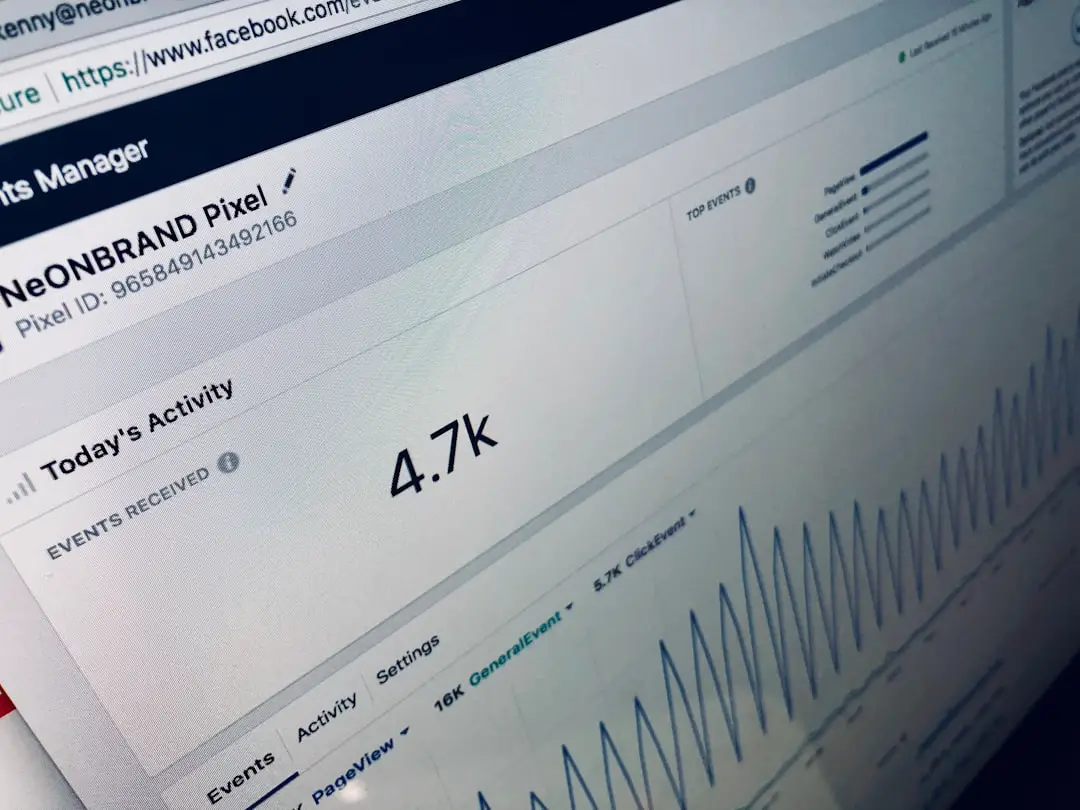
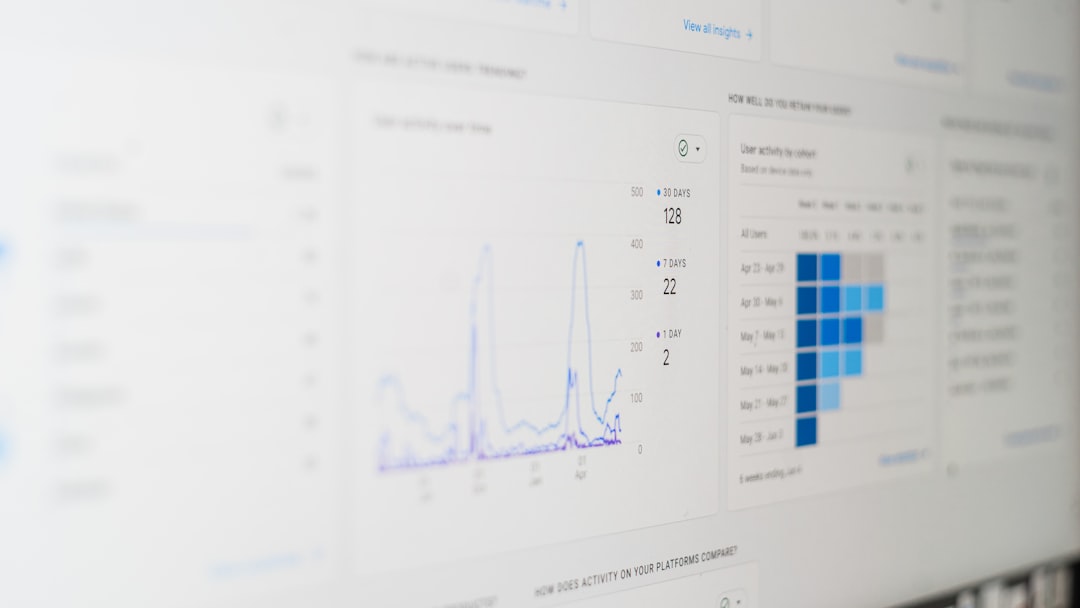
Data is essential for optimizing influencer campaigns. Advanced software integrates directly with social media APIs to track real-time metrics such as impressions, clicks, conversions, and engagement.
Key measurement capabilities often include:
- Reach and impressions
- Engagement rates
- Click-through rates
- Conversion tracking
- Revenue attribution
By analyzing this data, marketers can determine which influencers drive the highest ROI and refine future strategies accordingly.
4. Payment and Contract Management
Handling payments for multiple influencers can quickly become complex. Campaign platforms often include payment tracking systems that manage invoices, compensation structures, and international payments.
Automation reduces manual accounting tasks while ensuring transparency for both brands and creators.
Image not found in postmeta5. Compliance and Disclosure Monitoring
Regulatory bodies require clear disclosure of sponsored content. Influencer software can monitor posts for proper disclosure tags and maintain documentation to ensure compliance with advertising standards.
This is particularly important for companies operating in regulated industries such as finance, health, and pharmaceuticals.
Types of Influencer Marketing Software
There are several categories of platforms designed to support different campaign needs:
Self-Service Platforms
These tools are ideal for brands with in-house marketing teams. They offer extensive search databases, analytics tools, and campaign management features while giving marketers full control.
Managed Marketplaces
Marketplaces connect brands with pre-vetted influencers and may include support from account managers. This is useful for companies new to influencer marketing.
Agency-Focused Solutions
Agencies managing multiple client accounts require robust collaboration tools, white-label reporting, and scalable analytics capabilities.
Benefits of Using Dedicated Campaign Software
Implementing a specialized influencer campaign solution can provide substantial operational advantages:
- Scalability: Manage hundreds of influencers across global markets.
- Time Savings: Automate repetitive tasks such as reminders and reporting.
- Improved Data Accuracy: Pull real-time metrics directly from platforms.
- Stronger Relationships: Centralized communication enhances transparency.
- Better ROI Measurement: Integrated tracking links and promo codes provide clear attribution.
These benefits allow marketing teams to shift focus from logistics to strategic innovation.
Integration with Broader Marketing Ecosystems
Modern influencer campaign tools often integrate with CRM systems, email marketing platforms, and e-commerce tools. This creates a connected ecosystem that supports holistic marketing measurement.
For example, integration with e-commerce platforms allows brands to track sales directly attributed to specific creators using affiliate links or discount codes.
Image not found in postmetaSuch integrations enable:
- Cross-channel performance tracking
- Customer journey mapping
- Automated reporting dashboards
Challenges and Considerations
While software solutions provide numerous advantages, selecting the right one requires careful consideration.
Budget Constraints: Enterprise-grade tools can be costly, making them less accessible for small businesses.
Learning Curve: Some platforms require training to fully leverage advanced features.
Data Reliability: API restrictions and privacy updates may affect data access.
Organizations should conduct trials, assess customer support quality, and evaluate integration capabilities before committing to long-term contracts.
Future Trends in Influencer Campaign Software
The next generation of influencer software is expected to incorporate even more automation and predictive capabilities.
Emerging developments include:
- AI-powered influencer recommendations
- Predictive ROI modeling
- Sentiment analysis of audience comments
- Automated content performance forecasting
As artificial intelligence continues to evolve, influencer marketing platforms will become increasingly proactive, helping brands optimize campaigns before they even launch.
Best Practices for Implementation
To maximize the benefits of influencer campaign software, organizations should follow several best practices:
- Define clear campaign goals before selecting a platform.
- Standardize onboarding processes for influencers.
- Regularly analyze performance data to refine strategy.
- Maintain transparent communication with creators.
- Continuously test new influencer segments to expand reach.
When used strategically, these tools become more than administrative solutions—they evolve into engines of measurable growth.
Conclusion
Software solutions for running influencer campaigns have transformed how brands engage with digital creators. By centralizing discovery, collaboration, analytics, and payment processes, these platforms enable scalable and data-driven marketing efforts. As competition intensifies across social channels, leveraging specialized campaign management tools is no longer optional—it is a strategic necessity.
Frequently Asked Questions (FAQ)
-
What is influencer campaign software?
Influencer campaign software is a digital platform that helps brands discover influencers, manage collaborations, track performance metrics, and measure ROI within a centralized system. -
Who should use influencer marketing platforms?
Brands, marketing agencies, e-commerce businesses, and enterprises running multi-influencer campaigns benefit most from these tools. -
How do these platforms detect fake followers?
Many tools use AI-driven analytics to examine engagement patterns, audience authenticity, and follower growth anomalies to identify suspicious accounts. -
Can small businesses afford influencer campaign software?
There are scalable solutions available, including affordable self-service platforms tailored to small and mid-sized businesses. -
Do influencer marketing tools integrate with e-commerce systems?
Yes, many platforms integrate with e-commerce, CRM, and analytics tools to track sales, customer journeys, and campaign attribution. -
Is influencer campaign software necessary for micro-influencer campaigns?
While smaller campaigns can sometimes be managed manually, software significantly improves efficiency and measurement accuracy as campaigns grow.