
Closing an Experian account should be handled carefully because it may involve personal identity information, credit monitoring services, billing arrangements, and access to credit reports. A rushed closure can lead to missed cancellation confirmations, continued charges, or loss of important records. The safest approach is to understand what kind of Experian account you have, secure your information, cancel any paid services properly, and keep proof of every step.
TLDR: Before closing an Experian account, confirm whether you are canceling a paid subscription, closing an online profile, or simply stopping use of Experian services. Download important records, cancel recurring billing, and request written confirmation of closure. Remember that closing an Experian online account does not erase your credit history or remove Experian’s role as a credit bureau. Afterward, monitor your bank statements and credit reports to make sure the closure was completed safely.
Understand What “Closing an Experian Account” Means
Before taking action, it is important to clarify what you mean by “Experian account.” Experian is one of the major credit reporting agencies, and it maintains credit files as part of the credit reporting system. In most cases, you cannot simply “close” your Experian credit file the way you might close a social media account or online shopping account.
However, you may be able to close or cancel certain Experian services, such as:
- An online Experian profile used to access your credit report or credit score.
- A paid credit monitoring subscription, such as an identity protection or premium credit service.
- A trial membership that may convert into a paid plan if not canceled in time.
- Marketing preferences or optional communications from Experian.
This distinction matters. Closing an online Experian account may stop online access, but it does not remove accurate credit information from your credit report. Lenders, banks, and other permitted parties may still report information to Experian according to applicable credit reporting laws.

Step 1: Review Your Current Experian Services
Start by signing in to your Experian account and reviewing your dashboard, subscriptions, alerts, and billing settings. Look for any indication that you are enrolled in a paid plan, free trial, credit monitoring service, identity theft protection product, or premium report service.
Pay close attention to the following details:
- Plan name: Identify the exact product or service you are using.
- Billing cycle: Check whether you are billed monthly, annually, or after a trial period.
- Payment method: Note the card or bank account linked to the service.
- Renewal date: Record when the next charge is scheduled.
- Cancellation terms: Review any instructions or conditions listed in your account.
If you cannot find this information easily, review your email inbox for messages from Experian. Search for terms such as Experian subscription, membership, billing, trial, or renewal. This can help you identify services that may not be obvious from the account dashboard.
Step 2: Download and Save Important Records
Before closing access, save any information you may need later. This is especially important if you are disputing errors, monitoring identity theft, applying for a loan, or keeping personal financial records.
You may want to download or save:
- Your most recent credit report.
- Credit score history, if available.
- Dispute records and correspondence.
- Identity monitoring alerts.
- Billing receipts and subscription confirmations.
- Cancellation or account closure instructions.
Store these documents in a secure location, such as an encrypted folder or a trusted password-protected storage system. Avoid saving sensitive credit information on shared computers or unprotected devices.
Step 3: Cancel Any Paid Subscription First
If your Experian account includes a paid service, cancel the paid subscription before requesting account closure. This is one of the most important steps because closing access does not always guarantee that billing stops immediately. You should receive a direct confirmation that the subscription itself has been canceled.
Use the official Experian website or customer support channels to cancel. Avoid clicking links in suspicious emails or advertisements claiming to cancel your membership for you. If you are signed in, look for areas labeled Account Settings, Membership, Billing, Subscription, or Cancel Membership.
When canceling, take the following precautions:
- Record the date and time you submitted the cancellation request.
- Take screenshots of cancellation pages, confirmation screens, and plan details.
- Save confirmation emails in a dedicated folder.
- Ask whether access continues until the end of the billing period or ends immediately.
- Confirm that no future charges will be made to your payment method.
If you cancel by phone or chat, ask the representative for a confirmation number or case number. Write down the representative’s name or ID if provided. This documentation can be valuable if you later need to dispute a charge.
Step 4: Remove or Update Stored Payment Information
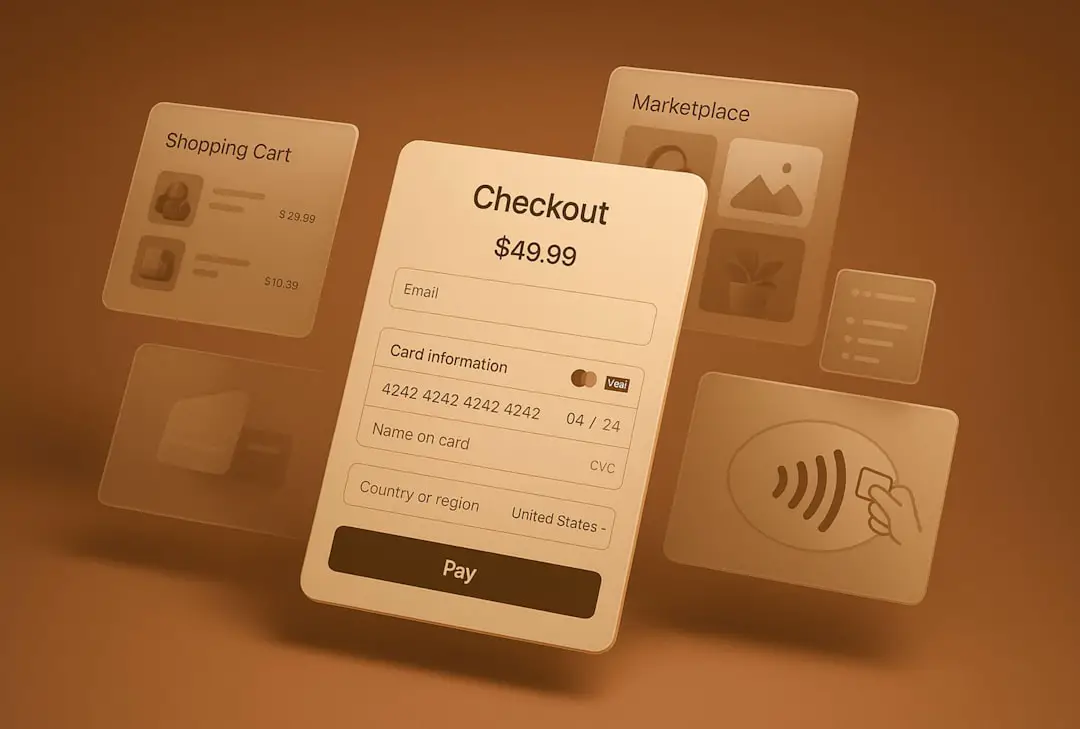
After canceling a subscription, review whether your payment information remains stored in the account. If Experian allows you to remove the card or replace it with another payment method, consider doing so. Not every platform permits payment removal after cancellation, but it is worth checking.
Do not rely only on removing a card as a cancellation method. Removing payment details is not the same as canceling a contractual or recurring service. The safest order is: cancel the subscription, receive confirmation, then review stored payment details.
Step 5: Request Closure of the Online Account
Once paid services are canceled and records are saved, you can request closure of the online account or profile. Depending on Experian’s current procedures, this may need to be done through account settings, customer support, a privacy request form, or another official process.
When making the request, be precise. You might write or say:
“I would like to close my Experian online account and cancel any optional online access associated with this profile. Please confirm that any paid membership has been canceled and that no future billing will occur.”
If you are also making a privacy-related request, such as asking about deletion of personal data, understand that credit bureaus may be required or permitted to retain certain information for legal, regulatory, fraud prevention, dispute resolution, and credit reporting purposes. A data deletion request may not remove your credit file or all information associated with you.
Step 6: Do Not Confuse Closure With a Credit Freeze
Some people want to close an Experian account because they are worried about identity theft or unauthorized credit applications. If that is your concern, closing an online profile may not be the best protection. A security freeze, often called a credit freeze, restricts access to your credit report and can help prevent new accounts from being opened in your name.
A credit freeze is different from closing an online account:
- Closing an online account may stop your access to Experian’s website or services.
- Canceling a subscription stops paid monitoring or membership features.
- Freezing your credit restricts new creditors from accessing your credit report.
If you are concerned about fraud, consider placing a freeze with all three major credit bureaus, not only Experian. You may also consider fraud alerts, account alerts from your banks, and stronger authentication on financial accounts.
Step 7: Strengthen Your Security Before and After Closure
Before closing the account, update your password if you suspect unauthorized access. Use a strong, unique password that is not used on any other site. If multifactor authentication is available, enable it while you complete the closure process.
Also review your email account security. If someone has access to your email, they may be able to reset passwords or intercept financial notifications. Change your email password, check recovery options, and remove unknown devices or forwarding rules.
After closure, continue to monitor for suspicious activity. Closing an Experian account does not eliminate the need to review your financial records. Watch for unexpected credit inquiries, new accounts, unfamiliar addresses, or changes in your personal information.

Step 8: Confirm the Account Closure in Writing
Written confirmation is essential. A verbal assurance is helpful, but it is not as strong as a written record. After submitting a closure request, look for an email or message confirming that your account has been closed or that your request has been received.
Your confirmation should ideally include:
- The date of cancellation or closure.
- The service or account affected.
- A statement that recurring billing has stopped, if applicable.
- A confirmation number or reference number.
- Any remaining access period or final billing information.
If you do not receive confirmation within a reasonable time, follow up through official channels. Be polite but firm. Provide prior confirmation numbers, dates, screenshots, and the email address associated with the account.
Step 9: Check Bank and Card Statements
Even after receiving confirmation, review your bank or credit card statements for at least two billing cycles. Look for any unexpected charges from Experian or related services. If a charge appears after cancellation, contact Experian first and provide your cancellation proof.
If the issue is not resolved, you may contact your card issuer or bank to discuss a billing dispute. Provide documentation, including the cancellation confirmation and any screenshots. Acting quickly is important because banks and card issuers often have time limits for disputes.
Step 10: Keep Monitoring Your Credit
After closing an Experian account, you should still monitor your credit health. You may be entitled to access free credit reports through official channels, and many banks or credit card issuers provide credit score updates. The key is to remain informed, especially if you closed the account because of privacy or security concerns.
Review your reports for:
- Accounts you do not recognize.
- Hard inquiries you did not authorize.
- Incorrect balances or payment history.
- Wrong names, addresses, or Social Security number variations.
- Reappearing errors after a dispute.
If you find inaccurate information, use the proper dispute process. Closing your online profile does not remove your right to dispute errors on your credit report.
Common Mistakes to Avoid
Several mistakes can make the closure process more stressful than necessary. Avoid these common errors:
- Assuming deletion is automatic: Closing online access does not erase your credit file.
- Forgetting trial subscriptions: A free trial may become a paid membership if not canceled.
- Failing to save records: You may lose convenient access to reports, disputes, or billing history.
- Ignoring confirmation: Always obtain and save written proof.
- Using unofficial links: Only use trusted Experian channels to manage your account.
- Stopping credit monitoring entirely: You still need a plan to watch for fraud or reporting errors.
Final Thoughts
Closing an Experian account safely is not just a matter of clicking a button. It requires a careful review of services, billing, records, security settings, and follow-up confirmations. Treat the process as you would any important financial account change: document every step, use official channels, and protect your personal information throughout.
Most importantly, remember that Experian’s role as a credit bureau continues even if you close an online account or cancel a subscription. Your credit file may still exist, and accurate information may still be reported. By canceling services properly, securing your data, and continuing to monitor your credit, you can close your Experian account access in a way that is organized, safe, and financially responsible.