In an era where nearly every aspect of daily life is connected to the internet, protecting your online privacy is no longer optional—it is essential. From online banking and remote work to social media and streaming, vast amounts of personal data travel across networks every second. VPN services like NordVPN have emerged as trusted tools for individuals and businesses seeking secure and private internet browsing. By encrypting user data and masking IP addresses, these services significantly reduce exposure to cyber threats, surveillance, and data harvesting.
TLDR: VPN services such as NordVPN enhance online privacy by encrypting internet traffic and masking your IP address. They protect users on public Wi-Fi, prevent tracking, and provide access to secure global servers. Choosing a reputable VPN with strong encryption, a no-logs policy, and reliable performance is critical. For anyone serious about digital security, a trusted VPN is one of the most practical and effective defenses available.
Understanding How VPN Services Work
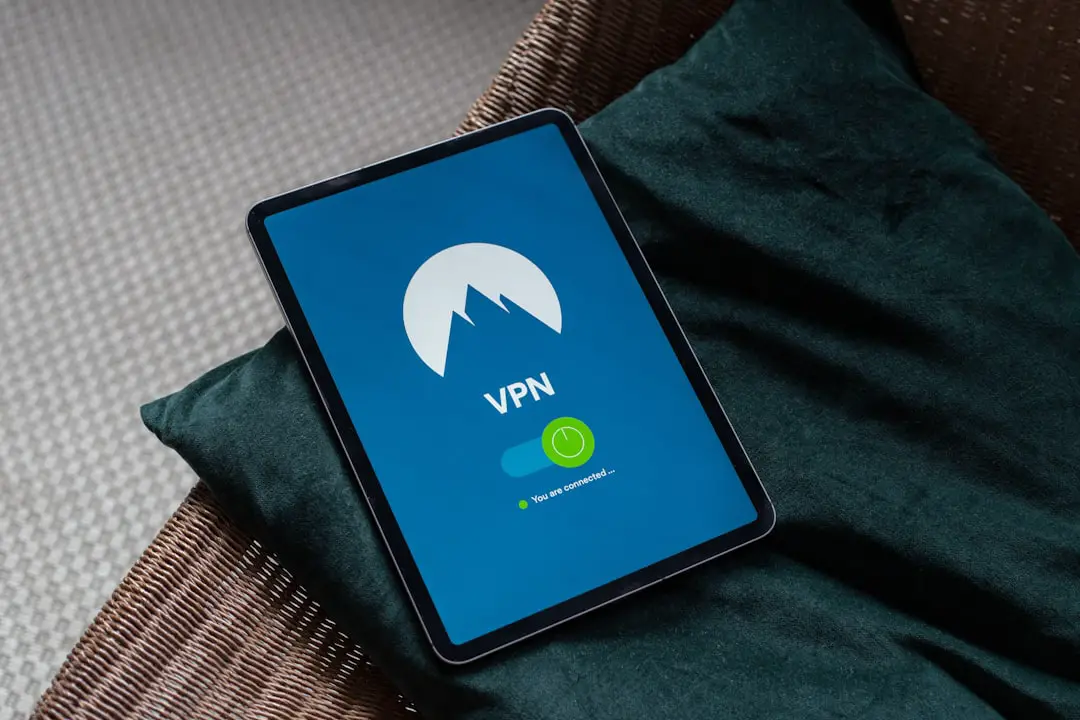
A Virtual Private Network (VPN) creates a secure, encrypted tunnel between your device and the internet. Instead of connecting directly to a website or service, your internet traffic is routed through a secure server operated by the VPN provider. This process accomplishes two primary goals:
- Encryption: Your data is scrambled into unreadable code, protecting it from hackers, ISPs, and surveillance.
- IP Masking: Your real IP address is replaced with the IP address of the VPN server, making your location and identity more difficult to trace.
Reputable services like NordVPN use advanced encryption standards such as AES-256, which is considered virtually unbreakable with current technology. Many also implement secure VPN protocols such as OpenVPN, WireGuard, or proprietary high-speed protocols designed to balance performance and security.
Why Secure and Private Browsing Matters
The modern internet ecosystem is driven by data. Websites collect browsing habits, advertisers track online behavior, and cybercriminals look for vulnerabilities. Without adequate protection, your sensitive information—passwords, financial details, private communications—can be intercepted or exploited.
Key risks of unprotected browsing include:
- Data interception on public Wi-Fi networks
- Tracking and profiling by advertisers
- Government or ISP monitoring
- Identity theft and financial fraud
- Exposure to malicious actors and phishing attempts
VPN services help mitigate these risks by shielding your data from unauthorized access. This is particularly important when using public Wi-Fi in cafés, airports, hotels, or coworking spaces, where unsecured networks are common targets for cybercriminals.
Core Features of Trusted VPN Services Like NordVPN
Not all VPNs offer the same level of security and reliability. Premium providers distinguish themselves through a combination of strong technical features and transparent privacy practices.
1. Strong Encryption Standards
Top-tier VPNs use military-grade encryption such as AES-256. This level of encryption makes intercepted data practically impossible to decipher.
2. No-Logs Policy
A strict no-logs policy means the provider does not store user activity records. Some companies undergo independent audits to verify their claims, strengthening user trust.
3. Kill Switch Feature
If the VPN connection drops unexpectedly, a kill switch automatically disconnects your device from the internet. This prevents accidental data exposure.
4. DNS Leak Protection
VPNs should protect against DNS leaks, which can otherwise reveal your browsing history even when connected to a VPN.
5. Global Server Network
Large server networks across multiple countries allow users to bypass geographical restrictions while maintaining reliable speeds.
6. Multi-Device Compatibility
Leading providers support Windows, macOS, iOS, Android, and even routers, allowing users to secure multiple devices simultaneously.

The Business Case for VPN Usage
VPN services are not just for individuals. Businesses increasingly rely on VPN technology to protect remote teams and sensitive data. With remote and hybrid work models now commonplace, secure access to company networks is critical.
For organizations, VPNs provide:
- Secure remote access to internal systems
- Protection of confidential communications
- Reduced risk of data breaches
- Enhanced compliance with privacy regulations
By encrypting connections and isolating traffic from public networks, VPNs reduce exposure to cyber threats that could otherwise result in financial losses, reputational damage, or legal penalties.
Privacy in the Age of Surveillance
Beyond cybersecurity, privacy has become a significant concern in the digital era. Internet service providers may log browsing behavior, advertisers build detailed user profiles, and certain jurisdictions permit extensive online surveillance.
VPN services like NordVPN enhance privacy by preventing ISPs from monitoring browsing activity. Instead of your ISP seeing every website you visit, it only sees encrypted traffic going to a VPN server. While VPNs do not make users completely anonymous, they add a powerful layer of privacy that significantly reduces exposure.
It is important to understand, however, that a VPN is only one component of comprehensive digital hygiene. Users should also practice strong password management, enable two-factor authentication, and remain cautious about suspicious links or downloads.
Performance Considerations
Some users worry that VPNs slow down internet speeds. While encryption and routing traffic through a remote server can introduce minimal latency, premium VPNs are engineered to minimize performance impact.
Factors influencing VPN speed include:
- Distance to the selected server
- Server load and capacity
- Chosen encryption protocol
- Base internet connection speed
Advanced protocols such as WireGuard-based technologies are designed to offer both strong security and impressive speeds, making VPN use practical even for high-bandwidth activities like streaming or video conferencing.

How to Choose the Right VPN Service
With numerous VPN providers on the market, careful evaluation is essential. Choosing a reputable service can determine whether your data is genuinely protected or merely given a false sense of security.
Key factors to evaluate include:
- Transparency: Does the company clearly explain its security protocols and privacy policies?
- Independent Audits: Has the no-logs policy been externally verified?
- Jurisdiction: Where is the company based, and how does local law affect user privacy?
- Security Features: Does it include a kill switch, DNS leak protection, and modern encryption protocols?
- Customer Support: Is assistance readily available if issues arise?
Established VPN providers often invest heavily in infrastructure, cybersecurity research, and ongoing improvements. While free VPN services may seem appealing, they frequently come with limitations such as data caps, slower speeds, fewer servers, or questionable data practices.
Limitations of VPN Technology
Although VPNs significantly enhance privacy and security, they are not a comprehensive cybersecurity solution. Users should maintain realistic expectations.
VPNs do not:
- Protect against malware without additional antivirus software
- Prevent phishing if users submit information voluntarily
- Guarantee total anonymity online
- Replace responsible digital behavior
A VPN is most effective when integrated into a broader security strategy that includes endpoint protection, regular software updates, and informed browsing habits.
The Growing Importance of Digital Trust
As data breaches and cyberattacks continue to make headlines, public awareness of digital privacy is steadily increasing. Consumers and businesses alike are becoming more proactive about protecting their online presence.
VPN services like NordVPN have earned trust by combining robust security infrastructure with accountability measures such as third-party audits and transparent policies. In a digital environment where personal information is a valuable commodity, using a respected VPN service is a practical step toward safeguarding autonomy and confidentiality.
Ultimately, secure and private internet browsing is about control. A reliable VPN restores a measure of control over who can access your data, how your activity is tracked, and how securely your information travels online. While no tool offers absolute protection, trusted VPN services represent one of the most accessible, effective, and responsible investments in digital security today.
For individuals concerned about privacy, professionals handling sensitive information, or organizations supporting distributed teams, adopting a high-quality VPN is not simply a matter of convenience—it is a strategic decision grounded in risk management and trust. In a connected world, security must be intentional, and a reputable VPN service is a sound foundation for that commitment.