Imagine switching mobile carriers without visiting a store. No tiny plastic card. No paperclip to open your SIM tray. Just a few taps on your screen. That is the promise of eSIM. And it is quietly transforming the way the world connects.
TLDR: eSIM is a digital version of the traditional SIM card. It lets you switch carriers, add plans, and connect devices without swapping physical cards. It saves space in devices and makes global travel much easier. From smartphones to smartwatches and even cars, eSIM is changing mobile connectivity everywhere.
What Is eSIM?
Let’s start simple.
A traditional SIM card is a small plastic chip. You insert it into your phone. It links your device to your mobile network. No SIM, no service.
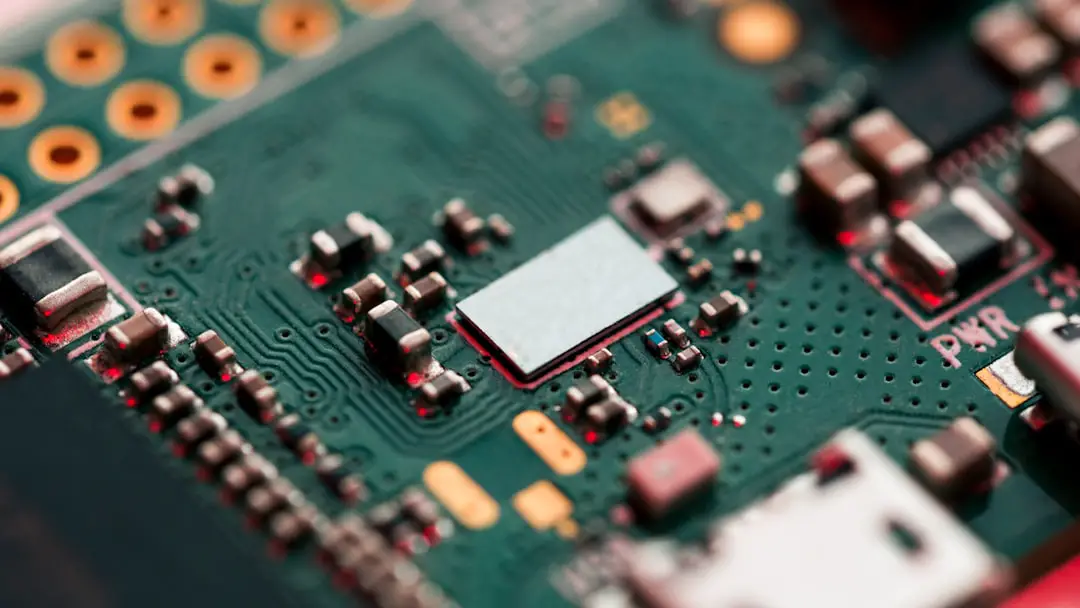
An eSIM stands for embedded SIM. It is built directly into your device. You cannot remove it. You do not see it. But it works just like a regular SIM.
The difference? It is digital.
Instead of inserting a card, you download a mobile plan. Usually by scanning a QR code. Or by using an app. It takes minutes.
Why eSIM Matters
At first glance, eSIM may seem like a small change. But it solves big problems.
- No more physical SIM cards.
- No more waiting at airport kiosks.
- No more losing tiny plastic chips.
It makes switching networks easy. It makes managing plans simple. And it opens the door to smarter devices.
Travel Just Got Easier
If you have ever traveled abroad, you know the struggle.
High roaming fees. Hunting for local SIM cards. Language barriers. Tiny trays that refuse to open.
With eSIM, this changes.
You can buy a local data plan before you even board the plane. Download it. Activate it when you land. Done.
No store visits. No swapping cards. No risk of losing your home SIM.
This is a game changer for:
- Digital nomads
- Business travelers
- Remote workers
- Backpackers
Connectivity becomes instant. And stress-free.
Switching Carriers Is Now Simple
In the past, changing mobile providers could feel like breaking up with someone. Messy. Slow. Full of paperwork.
With eSIM, it is much smoother.
You can compare plans online. Choose the best deal. Activate it digitally. Often within minutes.
This increases competition.
And competition usually means better prices. Better service. Better flexibility.
Consumers win.
More Room for Innovation
Here is something you may not notice.
Physical SIM trays take up space inside devices. Small space. But valuable space.
By removing the tray, manufacturers gain extra room.
That space can be used for:
- Bigger batteries
- Better cameras
- Improved cooling systems
- Thinner designs
This is one reason many new smartphones now support eSIM. Some have removed the SIM tray completely in certain markets.
The design becomes cleaner. The device becomes more resistant to dust and water. Fewer holes. Fewer weak points.
Perfect for Smart Devices
eSIM is not only for smartphones.
It is ideal for small connected devices.
Think about:
- Smartwatches
- Tablets
- Laptops
- Fitness trackers
- Smart home devices
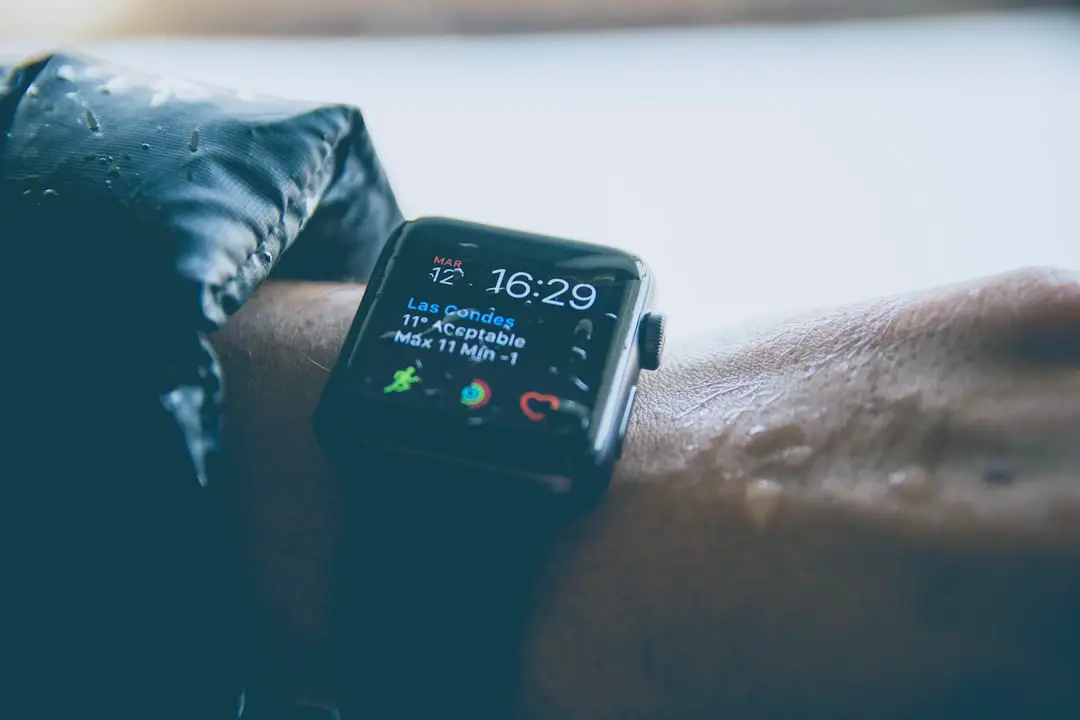
These gadgets are compact. There is no room for a traditional SIM slot. But with eSIM, they can connect directly to cellular networks.
Your smartwatch can make calls without your phone nearby. Your laptop can access mobile data anywhere. Your tracker can send updates in real time.
Powering the Internet of Things
The Internet of Things, or IoT, is growing fast.
Cars. Delivery trucks. Shipping containers. Smart meters. Even agriculture sensors.
All of these devices need connectivity.
eSIM makes large-scale deployment easier.
Companies can install devices globally. Then remotely activate local network profiles. No need to manually replace SIM cards in each country.
This reduces:
- Logistics costs
- Delays
- Human error
For industries, this is huge.
Better Security
Physical SIM cards can be removed. Lost. Stolen.
eSIM is embedded into the device. It cannot be taken out easily.
This adds a layer of security.
Also, remote provisioning allows secure updates. Mobile operators can manage profiles digitally. Encryption protects the data exchange.
It is not perfect. No technology is. But it is a strong step forward.
Multiple Profiles, One Device
Here is a cool feature.
Many eSIM-enabled devices support multiple profiles.
You can have:
- A work number
- A personal number
- A travel data plan
All on the same phone.
You switch between them in settings. No physical swapping.
This is perfect for freelancers. Entrepreneurs. Frequent travelers.
It creates flexibility that did not exist before.
Environmental Benefits
This part is often overlooked.
Traditional SIM cards require plastic. Packaging. Shipping.
Billions of them.
eSIM reduces this need.
Fewer plastic cards. Less packaging waste. Lower transport emissions.
It may seem small per user. But globally, it adds up.
As more devices adopt eSIM, the environmental impact becomes meaningful.
Challenges and Limitations
Of course, it is not all perfect.
Some challenges remain.
- Not all carriers support eSIM yet.
- Some regions are slower to adopt it.
- Switching devices can sometimes require reactivation steps.
There is also a learning curve.
Many users are used to physical SIM cards. They understand them. You can hold them in your hand.
Digital profiles feel invisible. Abstract.
But adoption is growing quickly. Each year, more devices and providers support eSIM.
The Impact on Developing Markets
In developing regions, mobile connectivity is often the main way people access the internet.
eSIM can simplify distribution.
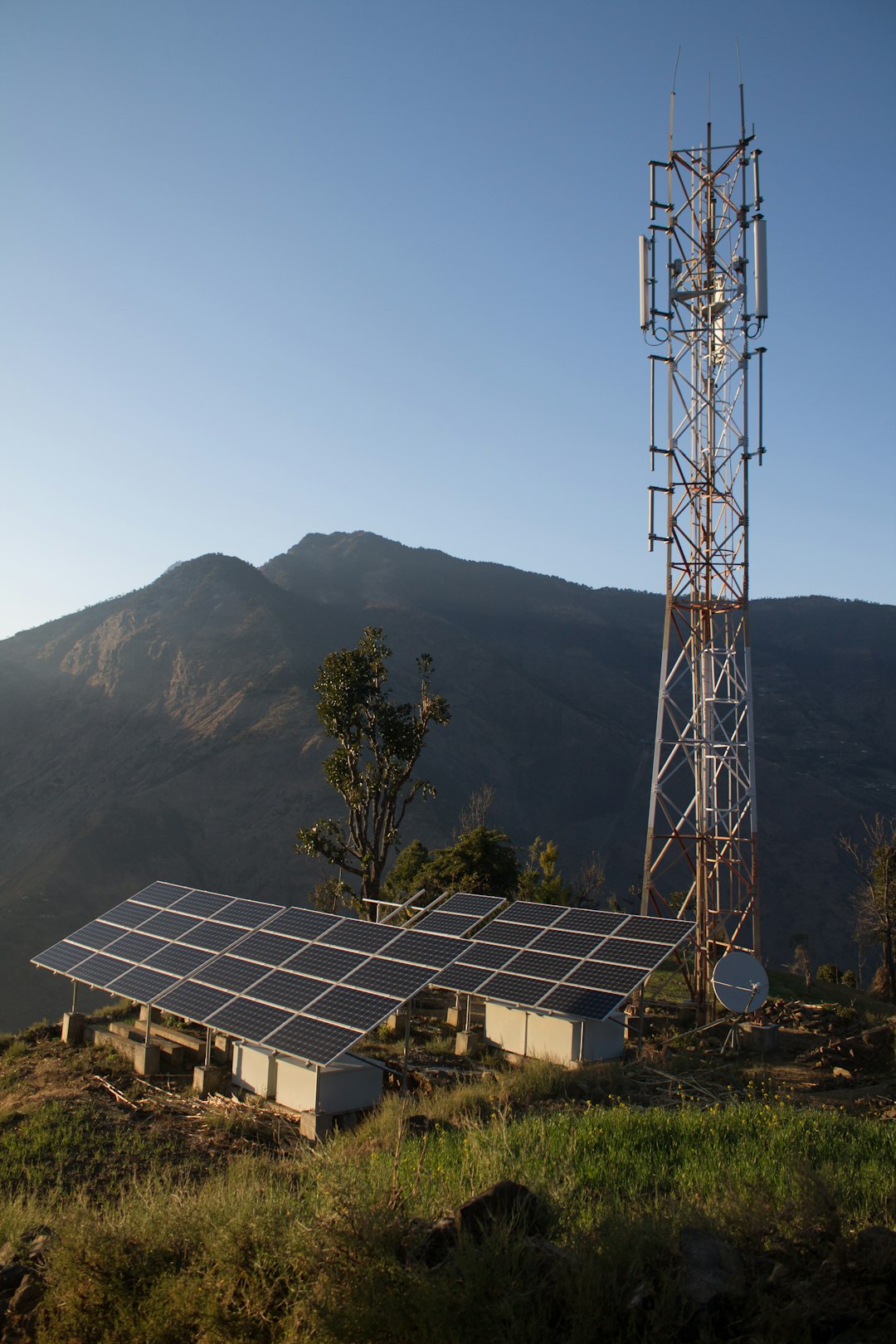
Instead of shipping physical SIM cards to remote villages, providers can offer digital activation. QR codes. App downloads.
This reduces costs and delays.
It also allows flexible prepaid plans. Users can switch offers easily. That encourages competition. And lower prices.
Connectivity becomes more accessible.
eSIM and the Future of Smartphones
We are already seeing change.
Many flagship smartphones support eSIM alongside physical SIM cards. Some models now rely only on eSIM in certain countries.
This trend will likely continue.
In a few years, physical SIM slots may become rare.
Just like headphone jacks.
At first, people resist. Then they adapt. Eventually, it feels normal.
What It Means for You
So what does all this mean in everyday life?
It means:
- Faster setup when you buy a new phone.
- Easier travel without roaming stress.
- More control over your mobile plans.
- Cleaner device design.
You spend less time dealing with plastic cards. More time connected.
It also means you can experiment. Try short-term plans. Switch if you are unhappy. The power shifts slightly toward the user.
The Big Picture
Mobile connectivity has evolved quickly over the past decades.
From bulky phones. To slim smartphones. From 2G to 5G. From physical keyboards to touchscreens.
eSIM is another step in that evolution.
It removes friction.
It digitizes what was once physical.
It supports a future filled with connected devices.
And it makes global communication more flexible than ever.
Final Thoughts
eSIM may be small. Invisible even.
But its impact is massive.
It simplifies travel. Encourages competition. Enables new devices. Supports global IoT growth. Reduces plastic waste.
Most importantly, it puts connectivity at your fingertips.
No tools required. No tiny trays. No plastic chips.
Just tap. Download. Connect.
That is how eSIM is changing mobile connectivity worldwide. Quietly. Quickly. And permanently.