Over the past few years, the way we connect our phones to mobile networks has been quietly evolving. The tiny plastic SIM card that once felt revolutionary is now facing competition from a built-in alternative known as the eSIM. As more smartphones, smartwatches, tablets, and even laptops adopt this embedded technology, many consumers are asking: Is eSIM actually better than a physical SIM? The answer depends on your needs, habits, and how you use your devices.
TLDR: eSIMs offer greater convenience, flexibility, and space-saving benefits compared to physical SIM cards. They are especially useful for travelers and people who switch carriers often. However, physical SIM cards can be easier to transfer between devices and may offer broader compatibility worldwide. Choosing between them depends on how much you value convenience versus simplicity and universal support.
What Is a Physical SIM?
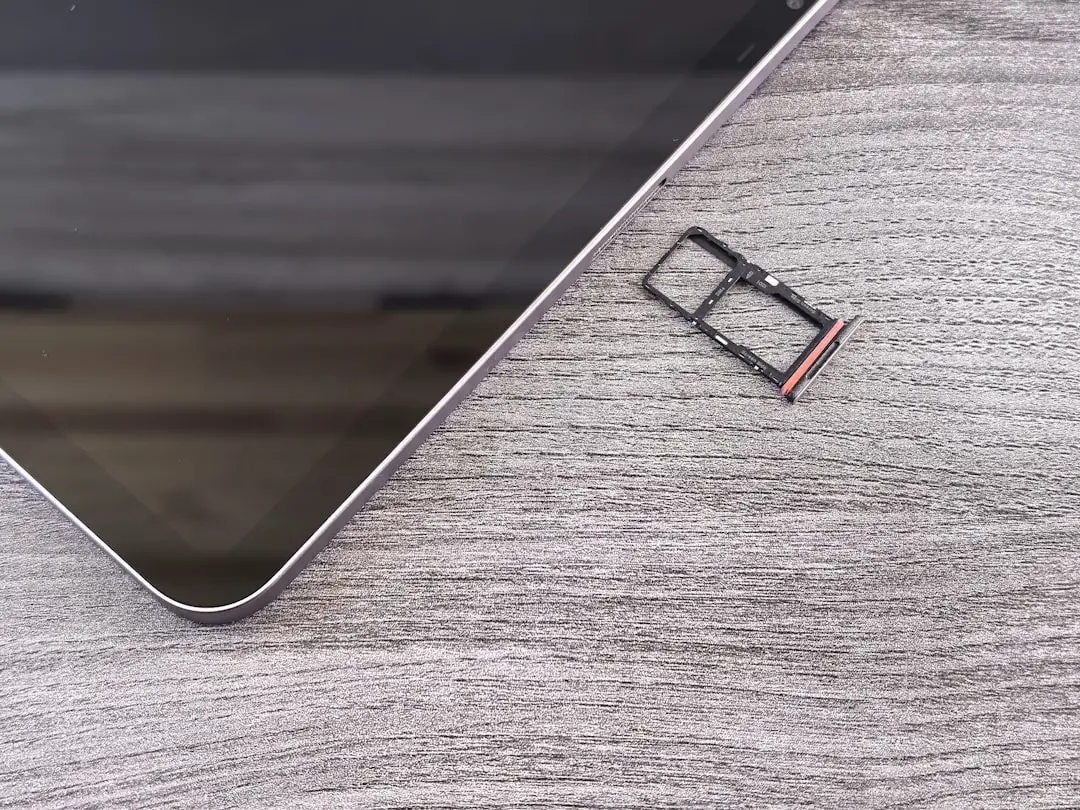
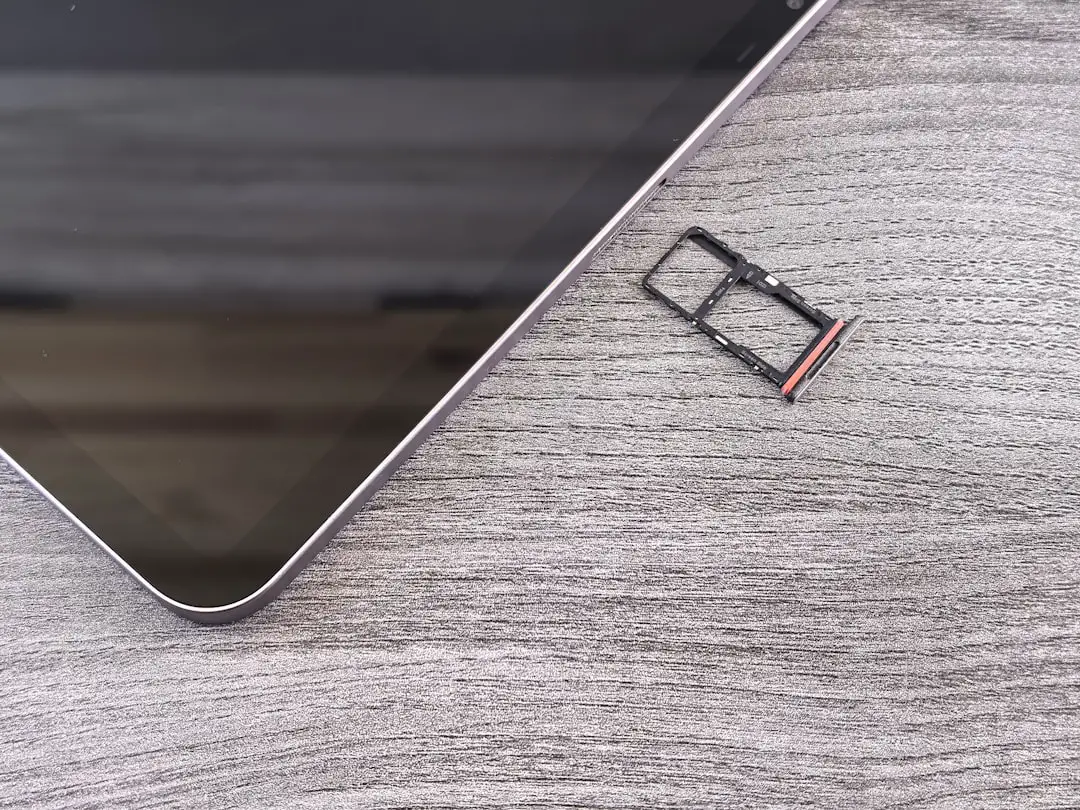
A physical SIM (Subscriber Identity Module) is a small plastic card inserted into your phone. It stores your subscriber information and allows your device to connect to a carrier’s cellular network. SIM cards have shrunk over time—from standard SIM to micro-SIM to nano-SIM—but their purpose has remained the same.
When you switch phones, you simply remove the SIM card from one device and insert it into another. For decades, this has been the standard method of connecting to mobile networks.
What Is an eSIM?
An eSIM (embedded SIM) works much like a physical SIM but without the removable card. Instead, it is built directly into your device’s hardware. Rather than physically inserting a card, you activate it digitally—usually by scanning a QR code or downloading a carrier profile through an app.
eSIMs are now found in many flagship smartphones, smartwatches, tablets, and newer laptops. Some devices even support dual SIM functionality, combining a physical SIM slot with an eSIM.
The Pros of eSIM
1. Convenience and Flexibility
One of the biggest advantages of eSIM is convenience. You can switch carriers or plans without visiting a store or waiting for a SIM card to arrive in the mail. Everything is handled digitally.
- Instant activation through QR codes or carrier apps
- No physical handling of tiny cards
- Quick carrier switching without swapping hardware
This flexibility is especially useful for frequent travelers who want to temporarily use local mobile plans.
2. Better for International Travel
Travelers benefit immensely from eSIM technology. Instead of buying a local SIM card and physically replacing your home SIM, you can simply download a local data plan before or upon arrival.
Many travel-focused mobile providers now offer short-term eSIM data packages that can be activated within minutes. This eliminates the risk of losing your primary SIM card while abroad.

3. Space Saving and Device Innovation
Removing the physical SIM tray frees up valuable internal space in devices. Manufacturers can use this space for:
- Larger batteries
- Improved water resistance
- Additional hardware components
In fact, some modern smartphones in certain regions have eliminated the physical SIM slot entirely. Fewer external openings can also improve durability and waterproofing.
4. Multiple Profiles on One Device
eSIM allows you to store multiple carrier profiles on a single device. While you typically use only one or two at a time, switching between them is quick and simple.
This is ideal for:
- Separating work and personal numbers
- Maintaining a home and travel number
- Testing coverage from different carriers
5. Reduced Risk of Physical Damage or Loss
Physical SIM cards are easy to misplace due to their tiny size. They can also get scratched or damaged. Because eSIMs are embedded in the device, there’s no risk of losing or physically damaging them.
The Cons of eSIM
1. Device Compatibility Limitations
Although eSIM adoption is growing, not all devices support it. Older smartphones and budget models may still rely exclusively on physical SIM cards.
If you frequently switch between older backup phones, eSIM might create compatibility issues.
2. Transferring Between Devices Can Be Complicated
With a physical SIM, transferring your number is as simple as removing the card and inserting it into another phone. With eSIM, the process can be more complex.
- You may need carrier approval
- You might have to deactivate and reactivate the profile
- Some carriers limit how often you can transfer
While technology is improving, eSIM transfers are not always as seamless as swapping a card.
3. Carrier Support Varies by Region
Not all carriers around the world fully support eSIM technology. In some regions, network providers still rely heavily on physical SIM infrastructure.
If you’re in a rural or less technologically developed area, physical SIM cards might still offer broader compatibility.
4. Potential Challenges if Your Phone Breaks
If your phone is damaged or lost, accessing your eSIM profile can require additional steps. Since the SIM is embedded, you can’t simply remove it and insert it into a backup device.
You may need to:
- Contact your carrier for reactivation
- Use account verification steps
- Wait for digital reprovisioning
With a physical SIM, you could simply move the card into another device immediately.
The Pros of Physical SIM
While eSIM is modern and innovative, the traditional SIM card still offers several key advantages.
1. Universal Compatibility
Physical SIM cards work with nearly all mobile phones worldwide. Whether you are using a budget Android or an older feature phone, chances are a SIM card will work without issue.
2. Quick Device Swapping
For people who switch phones often—such as reviewers, business professionals, or tech enthusiasts—a physical SIM makes moving between devices effortless.
3. No Digital Setup Required
Some users prefer the simplicity of a physical setup. There’s no need to scan QR codes, download carrier apps, or rely on internet access for activation.
The Cons of Physical SIM
Despite its reliability, the physical SIM does come with drawbacks.
- Easier to lose due to small size
- Limited dual usage in single-SIM devices
- Requires physical handling and tools like SIM ejectors
- Takes up internal device space
In addition, physical SIM slots can slightly reduce water resistance because they require an opening in the phone’s body.
Security Considerations
Both SIM types offer strong security, but there are some differences.
eSIM advantages:
- Harder to remove if a phone is stolen
- More difficult for thieves to swap SIMs quickly
Physical SIM advantages:
- Easier to disable by removing it from a compromised device
Overall, eSIM can offer slightly better protection against SIM-swap theft in certain scenarios, though carrier-level security measures matter more than the form factor itself.
Who Should Choose eSIM?
eSIM might be ideal if you:
- Travel internationally often
- Use multiple phone numbers
- Prefer digital management over physical components
- Own newer flagship devices
It offers a forward-looking solution that aligns with increasingly digital lifestyles.
Who Should Stick With Physical SIM?
A physical SIM may be better if you:
- Use older or budget devices
- Frequently swap phones
- Live in areas with limited eSIM support
- Prefer simple, manual solutions
Sometimes, reliability and familiarity outweigh innovation.
The Future of SIM Technology
Industry trends suggest that eSIM adoption will continue to increase. Some smartphone manufacturers have already started releasing models without physical SIM trays in certain markets. As carriers expand support and streamline transfers, many of the early drawbacks may disappear.
Beyond smartphones, eSIM plays a key role in the growth of Internet of Things (IoT) devices, connected cars, and wearable technology. Its ability to be remotely provisioned makes it highly scalable for global deployments.
Still, physical SIM cards are unlikely to vanish overnight. Billions of devices worldwide continue to rely on them, and infrastructure transitions take time.
So, Is eSIM Better?
The answer isn’t a simple yes or no. eSIM is more flexible, modern, and convenient, particularly for travelers and users who manage multiple numbers. On the other hand, physical SIM cards remain practical, universally compatible, and easy to transfer between devices.
For tech-savvy users with compatible devices, eSIM often feels like the future. For others who prioritize simplicity and broad compatibility, physical SIM still holds strong appeal.
Ultimately, both technologies achieve the same goal: connecting you to your network. The better choice depends on how you use your phone—and how much you value digital flexibility over physical familiarity.